

AI CERTS
3 months ago
Semrush Awards Redefine AI Search Visibility Benchmarks
The awards attempt to answer that uncertainty with data, benchmarks, and public recognition. Moreover, Semrush claims users interacting through LLMs convert 4.4 times more than classic searchers. That claim alone demands a closer look at the underlying Index, winners, and implications. Therefore, this article dissects the announcement, methods, opportunities, and limitations in clear terms.
Awards Signal Market Shift
On launch day, Semrush positioned the Awards as the first scoreboard for AI Search Visibility across industries. Furthermore, the company framed winners as proof that persistent optimization for conversational answers already delivers returns. Category Leaders such as Google, Samsung, Microsoft, and Patagonia now tout new badges alongside existing SEO trophies.
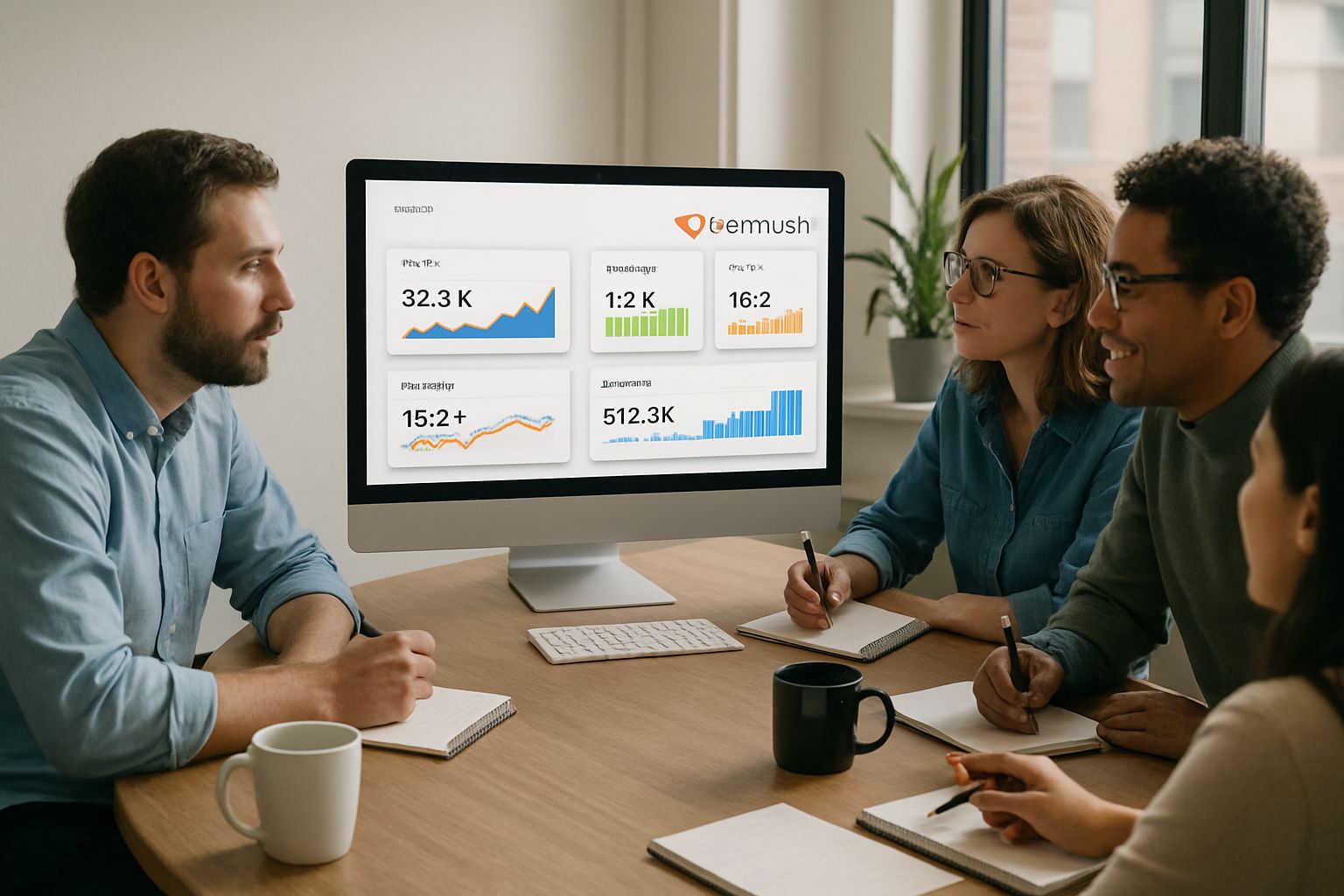
Moreover, Semrush split recognition into Leaders, Growth Engines, and Challengers, mirroring venture stages. Consequently, emerging Brands like Anthropic and Rippling gained the same stage presence as tech giants. In contrast, several traditional incumbents failed to appear, highlighting competitive risk.
These early results underline a broader transition in online discovery. However, marketers still need clarity on how Semrush calculated every score. Therefore, the next section unpacks the Index methodology.
Semrush Index Methodology Explained
Semrush built its benchmark on 2,500 prompts spanning five sectors. Additionally, the firm weighted ChatGPT output at 80% and Google AI Mode at 20% to reflect forecasted usage. Consequently, Share of Voice scores reward frequent, prominent mentions across both platforms.
Furthermore, Semrush measured sentiment and source diversity from August through December 2025. The Index averaged weekly collections to smooth model volatility. Nevertheless, critics note that U.S. desktop tests may not mirror global behavior.
Prompt Design Choices Detailed
Semrush designed three prompt categories: general research, feature questions, and specific use cases. Moreover, branded queries were excluded to avoid bias. Subsequently, prompts were ranked by real-world volume, ensuring each carried appropriate weight.
- Dataset: 2,500 prompts, five industries
- ChatGPT prompts per day: ~2.5 billion
- LLM users convert 4.4× more
- Projected milestone: AI results surpass organic traffic by 2028
The methodology offers transparency yet leaves raw prompt lists unpublished. Consequently, independent replication remains challenging. These gaps invite healthy skepticism before wholesale adoption.
Winners Show Visibility Gains
The inaugural leaderboard highlights diverse Brands dominating conversational answers. For Business Services, Google secured a 42% Share of Voice. Meanwhile, Samsung led Consumer Electronics with 38%. Additionally, Patagonia topped Fashion with 31%, proving niche players can outmaneuver larger rivals.
Growth Engines such as Intuit and UNIQLO posted double-digit quarterly gains on the Index. Therefore, agile content teams appear able to scale AI Search Visibility quickly when strategies align with model preferences.
Consequently, winners gained earned media and internal validation. However, Semrush has not disclosed how many winners already license its Enterprise AIO suite. That overlap matters when assessing impartiality. These concerns segue into strategic guidance.
Strategic Insights For Marketers
Marketers now face a dual mandate: defend classic rankings and build AI Search Visibility. Furthermore, GEO tactics prioritize structured data, authoritative citations, and fast update cycles. Professionals can enhance their expertise with the Chief AI Officer™ certification.
Moreover, Semrush suggests tracking new KPIs—Mention Rate, AI Citation Rate, and Time-to-Citation. Consequently, dashboard stacks must evolve beyond clicks alone. In contrast, teams sticking to legacy metrics risk invisible status inside conversational results.
Key Limitations Industry View
Independent analysts caution against overreliance on a single Index. Additionally, the 80/20 platform weight may misrepresent real-world traffic splits in some regions. Nevertheless, the framework still offers a useful directional compass.
Therefore, savvy leaders benchmark progress but verify with their own prompt panels. These balanced habits foster sustainable Trust with executives and clients. The next section outlines future shifts that could reshape the landscape again.
Preparing For Future Landscape
Semrush projects AI outputs surpassing organic Search by 2028. Additionally, model updates now ship weekly, making monitoring essential. Consequently, quarterly Share of Voice reviews may soon feel sluggish.
Moreover, Adobe’s planned acquisition of Semrush could accelerate tool integrations. In contrast, consolidation may narrow independent measurement options. Therefore, Brands should develop internal testing capabilities alongside third-party dashboards.
AI Search Visibility will likely influence paid media, product design, and customer support. Subsequently, cross-functional governance becomes critical. Organizations that embed GEO principles early will strengthen digital Trust and secure competitive moats.
These dynamics underscore the urgency of proactive action. However, disciplined experimentation and skepticism remain vital safeguards.
In summary, the Semrush Awards spotlight an undeniable pivot toward conversational discovery. Furthermore, rigorous methodology, despite limitations, provides actionable benchmarks. Marketers who embrace new KPIs, pursue certifications, and maintain critical oversight can convert opportunity into lasting advantage. Consequently, explore the Index, audit your brand presence, and upskill through targeted programs today.


