

AI CERTS
3 hours ago
Sanders AI criticism ignites datacenter moratorium debate
Meanwhile, industry advocates warned that slowing infrastructure now could surrender global leadership in artificial intelligence. This article unpacks the clashing arguments, key numbers, and next steps shaping the datacenter policy landscape. Additionally, it explains why local communities increasingly join the fray and what solutions may bridge the divide. Therefore, decision-makers can ground future choices in evidence rather than headlines.
Sanders Revives Moratorium Debate
During CNN’s State of the Union, Sanders declared, “We need to slow this process down.” He framed large Datacenters as threats to jobs, water security, and local bills. Moreover, he pledged to push colleagues toward a federal moratorium bill. This second surge of Sanders AI criticism stirred immediate reaction on X, where Elon Musk labeled the idea “anti-innovation.” Nevertheless, advocacy groups cheered the renewed focus.
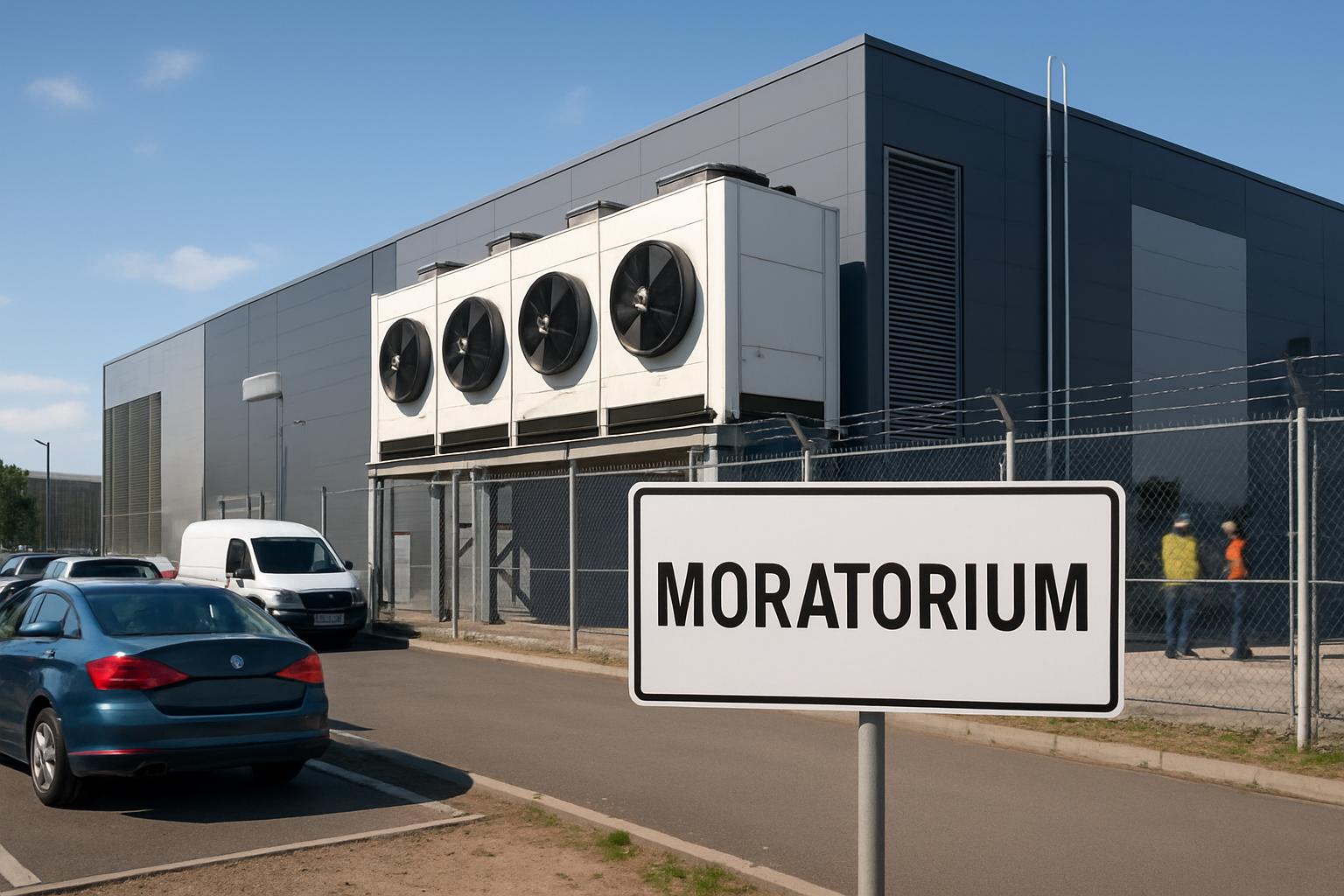
Supporters argue a pause lets democracy craft guardrails before infrastructure locks communities into high resource demand. In contrast, critics warn that indefinite delays could erode investor confidence. Arman Shehabi of Berkeley Lab noted, “Better data can guide smarter choices, but timing matters.”
Sanders’ rhetoric now anchors a broader narrative. However, the senator has not yet filed formal legislation. Consequently, attention shifts to whether committee chairs will entertain hearings.
These early signals set the political tone. Meanwhile, stakeholders prepare evidence for upcoming sessions.
Rising Datacenter Energy Use
Hard numbers fuel urgency on every side. Berkeley Lab projects U.S. datacenter electricity demand could triple by 2028, reaching up to 580 TWh. Furthermore, Food & Water Watch estimates annual water consumption could hit 720 billion gallons. Those figures translate to household-scale impacts that resonate with voters.
Key statistics underline the stakes:
- 2023 baseline: 176 TWh, or 4.4% of national electricity.
- 2028 projection range: 6.7%–12% of U.S. load, equal to 74–132 GW.
- $64 billion in projects delayed or blocked since 2023.
Moreover, grid operators warn that rapid load growth strains transmission planning. Avi Shultz at the DOE stated, “This signals where frontier demand now sits.”
These numbers invigorate Sanders AI criticism supporters. Yet efficiency advocates counter that smarter cooling and renewable PPAs can offset much of the rise.
Escalating resource curves therefore dominate each policy memo. However, translating estimates into local rate impacts remains challenging.
Advocates Demand Construction Pause
More than 230 organizations signed a December 8 letter urging Congress to halt new facilities. Wenonah Hauter warned, “Americans already struggle with soaring utility costs.” Advocates link water-cooled campuses with drought anxiety, especially in arid regions. Additionally, community groups spotlight 24-hour noise, traffic, and land-use change.
Sanders AI criticism echoes these themes, strengthening their coalition. Consequently, local governments from DeKalb County to Green Charter Township enacted temporary moratoria while drafting zoning rules. Activists view local pauses as testbeds for a federal template.
Nevertheless, opponents call the tactic blunt. They claim granular standards can manage energy intensity without freezing permits.
Advocacy momentum remains potent. Yet translating grassroots wins into national law still faces procedural hurdles.
Industry Warns Of Risks
Cloud providers and trade groups frame the pause as self-sabotage. Karen Kerrigan from the Small Business & Entrepreneurship Council argued, “Putting the brakes on the AI ecosystem hobbles competitiveness.” Moreover, executives note that Datacenters anchor thousands of construction jobs plus long-term tax revenue.
Critics also highlight international competition. In contrast to U.S. debate, Singapore and the EU accelerate approvals tied to renewable commitments. Consequently, investors may redirect capital abroad.
Another strain involves contractual obligations. Hyperscalers hold multi-year GPU orders that require facility capacity soon. Therefore, sudden permitting freezes could trigger supply-chain penalties.
Industry messaging directly counters Sanders AI criticism. Nevertheless, some companies quietly discuss compromise frameworks involving transparency dashboards and community benefit agreements.
The economic warning shot now colors every committee briefing. Meanwhile, neutral analysts urge separating rhetoric from verifiable cost models.
Political Landscape And Feasibility
Politics complicates the path forward. The White House issued an executive order on December 11 that preempts state AI laws and promotes rapid build-out. Moreover, congressional leadership shows limited appetite for sweeping intervention.
Legal scholars add that federal authority over local zoning is weak. Consequently, a nationwide moratorium would likely face immediate litigation from states and industry coalitions.
Sanders AI criticism therefore functions more as pressure campaign than imminent statute. Yet the argument shapes primary debates and may inform future regulatory riders.
These institutional realities temper expectations. However, local governments retain significant power to grant or deny permits.
Jurisdictional complexity thus ensures prolonged negotiation. Subsequently, any federal move must align with existing environmental and utility law.
Potential Middle Ground Policies
Some observers seek pragmatic compromise. Berkeley Lab researchers propose mandatory reporting of site-level energy and water metrics. Furthermore, utilities recommend cost-sharing formulas that prevent ratepayers from financing dedicated substations. Community advocates push for legally binding benefit agreements.
Possible hybrid measures include:
- Conditional permits tied to renewable procurement and onsite storage.
- Water-neutral cooling mandates in stressed basins.
- Grid impact fees scaled to megawatt demand.
Such options appear in draft state bills and think-tank white papers. Additionally, professionals can enhance their expertise with the AI Foundation Certificate™ to navigate evolving compliance requirements.
Stakeholders note that Sanders AI criticism has opened space for these alternatives. Nevertheless, achieving consensus will require transparent data exchanges.
These proposals suggest viable off-ramps from stalemate. Therefore, pilot programs could test effectiveness before full deployment.
Implications For Tech Future
Broader implications stretch beyond electricity. AI supply chains, workforce training, and regional development plans all hinge on facility timelines. Moreover, geopolitical rivals watch U.S. politics for signals about market openness.
If adopted, a sustained moratorium could shift chip fabrication and research clusters offshore. In contrast, clear yet flexible standards might foster responsible growth at home. Consequently, investors now price regulatory risk alongside hardware costs.
Continuous Sanders AI criticism keeps uncertainty elevated. However, emerging joint ventures between utilities and cloud firms hint at adaptive strategies.
The next six months will clarify trajectory. Meanwhile, regional planners integrate datacenter load forecasts into renewable procurement roadmaps.
These future-facing considerations underscore strategic stakes. Subsequently, balanced policy could secure both innovation and sustainability.
Conclusion And Next Steps
Datacenter expansion sits at the heart of U.S. digital ambition. The ongoing clash, amplified by Sanders AI criticism, pits environmental caution against economic urgency. Moreover, rapidly rising energy demand and local resistance ensure legislators cannot ignore the issue. Nevertheless, hybrid policies may reconcile growth with community protections. Stakeholders should monitor congressional hearings, local zoning battles, and efficiency breakthroughs. Finally, technology professionals should pursue advanced credentials and stay engaged in rule-making discussions.


