

AI CERTS
2 months ago
Samsung HBM Crisis Intensifies Global Memory Chip Shortage
Reuters, TrendForce, and JEDEC data offer that clarity. This article distills their findings for technical leaders. Moreover, it explains why Samsung’s qualification issues matter far beyond one vendor. Finally, readers gain actionable guidance and certification resources to navigate the turmoil. Professionals can add rigor through the AI Ethics Strategist™ certification. Meanwhile, the clock ticks for next-generation AI accelerators. In contrast, procurement teams face shrinking inventory every quarter.
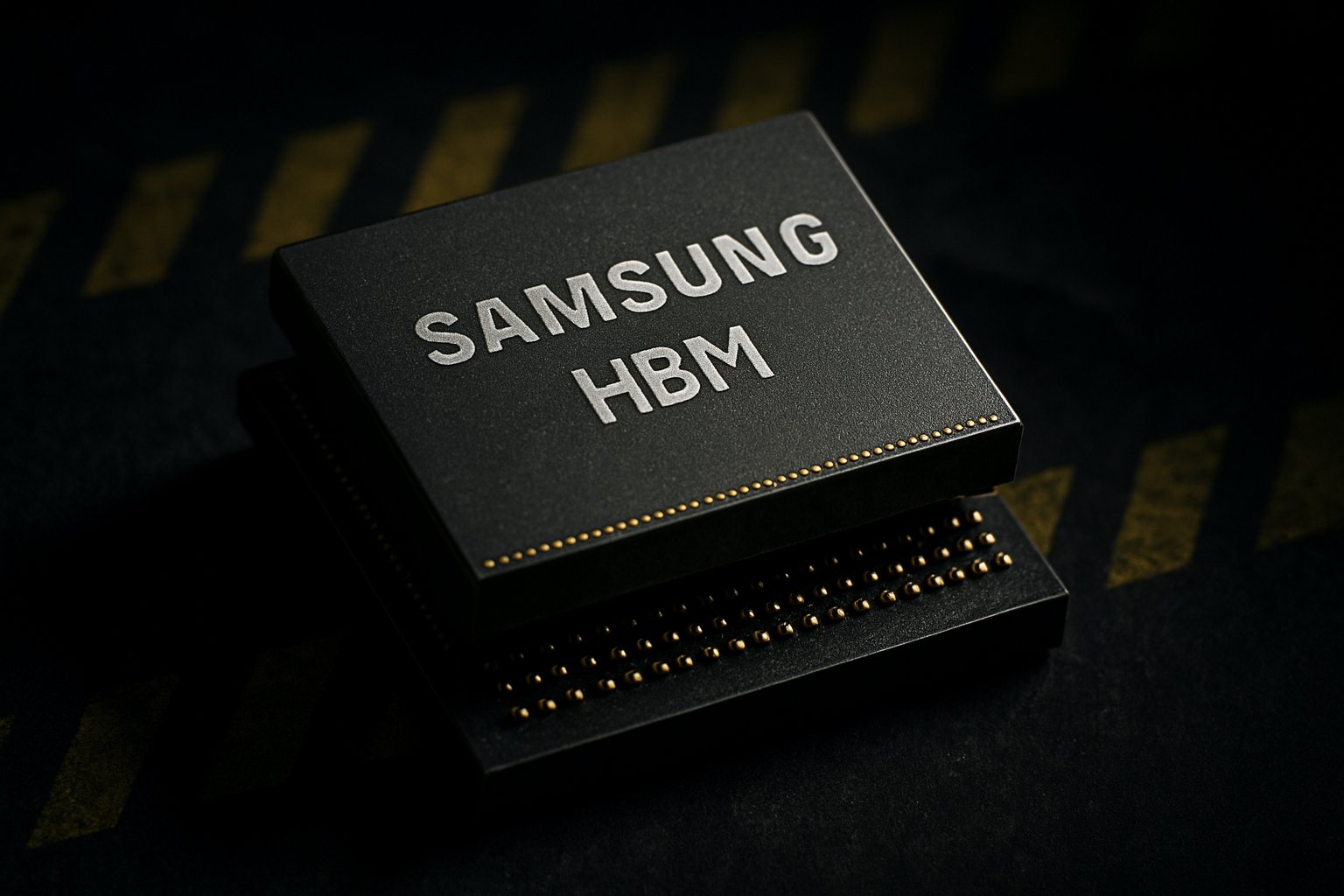
Global HBM Market Pressures
The HBM market grew from about $3 billion in 2024 to much larger volumes in 2025. TrendForce cites compound annual growth rates exceeding 25 percent. Consequently, inventories fell from 17 weeks to fewer than four weeks by October. Moreover, average DRAM and HBM pricing has more than doubled since February.
Hyperscalers, GPU vendors, and smartphone OEMs all chase the same wafers. However, SK hynix says its 2026 capacity is already sold out. Micron, a smaller player, cannot fill the widening gap alone. Therefore, buyers intensify lobbying, contract prepayments, and multi-year reservations.
The Memory Chip Shortage anchors every investor call this season. Global figures reveal unprecedented stress on high bandwidth memory pipelines. Nevertheless, technical hurdles at Samsung magnify that stress. The next section examines those hurdles.
Samsung HBM Qualification Setbacks
In January, Nvidia CEO Jensen Huang stated Samsung must redesign advanced HBM stacks. Subsequently, reports surfaced of thermal and power failures during validation. Additionally, 12-Hi yields lagged SK hynix by significant margins.
Samsung insists some products now ship to AMD and smaller customers. In contrast, Nvidia allocations remain limited pending further tests. Industry analysts claim these issues stalled roughly 30 percent of planned production. Consequently, the Memory Chip Shortage deepened as buyers pivoted to other suppliers.
This bottleneck compounds the ongoing Memory Chip Shortage affecting global supply chains. Samsung has invested heavily in new HBM4 pilot lines. Nevertheless, full qualification could slip into late 2026. Ongoing setbacks limit Samsung’s HBM contribution during peak demand. Next, we explore shifting supply dynamics among rivals.
Evolving Supplier Capacity Dynamics
SK hynix currently leads high bandwidth memory shipments and revenue. Furthermore, the company booked almost every 2026 HBM wafer before mid-2025. Micron follows with aggressive HBM3E production ramps and stated 12-Hi progress.
The competitive landscape influences allocation, pricing, and risk distribution. Consequently, hyperscalers diversify contracts across at least two suppliers where feasible.
- SK hynix inventory coverage: under two weeks by Q3 2025
- Samsung stated customer commitments: undisclosed volumes for 2026
- TrendForce projected HBM price rise: additional 20 percent in early 2026
These metrics underscore limited buffers within the supply chain. Therefore, the Memory Chip Shortage persists despite expanded lines. The economic consequences now come into focus.
Broader Economic Ripple Effects
Smartphone assemblers already warn of higher BOM costs. Meanwhile, PC makers anticipate DDR and high bandwidth memory mark-ups through 2026. Device ASPs could rise, or OEM margins could contract.
Moreover, hyperscale AI projects risk schedule slips as accelerator cards wait for HBM. Counterpoint researchers estimate aggregate datacenter spending delays worth billions. Subsequently, regional governments monitor supply security, fearing competitive disadvantages.
These price hikes exacerbate the Memory Chip Shortage for consumer devices. Investors respond with volatile sentiment around memory suppliers. Pricing spikes paired with uncertain production forecasts amplify risk premiums.
Economic ripple effects intensify capital allocation challenges. However, technology roadmaps still advance toward HBM4. We now examine that roadmap and the resilience strategies underway.
Technology Roadmap And Resilience
JEDEC published the HBM4 specification in April 2025. The standard doubles interface width and boosts per-stack bandwidth to two terabytes per second. Furthermore, Samsung, SK hynix, and Micron all contributed to the document.
However, moving from HBM3E to HBM4 magnifies power and thermal challenges. Therefore, successful production demands tighter TSV control and advanced packaging capacity. Packaging partners like TSMC CoWoS already face lead times exceeding twelve months.
Analysts suggest gradual qualification waves starting mid-2026. Nevertheless, the Memory Chip Shortage could persist until Samsung’s HBM4 yields mature. High bandwidth memory evolution remains central to future accelerators.
Roadmaps exist, but execution remains uncertain. The next section offers pragmatic actions for affected stakeholders.
Actionable Strategies For Stakeholders
Procurement teams should implement rolling twelve-month forecast updates every quarter. Additionally, diversifying contracts across multiple HBM generations mitigates sudden qualification risk.
Engineering groups can collaborate early with suppliers to align test vectors and packaging constraints. Consequently, unexpected redesigns reduce time-to-market.
Finance leaders need scenario models tracking pricing swings of 20 percent per quarter. Meanwhile, executives should evaluate strategic stockpiles for critical workloads.
- Negotiate multi-year, volume-flex contracts with at least two vendors
- Reserve advanced packaging slots twelve months ahead
- Pursue joint yield-learning programs to stabilize production
Professionals can also broaden perspective through the AI Ethics Strategist™ program. The Memory Chip Shortage demands both tactical moves and strategic vision. Therefore, integrated planning across engineering, finance, and supply teams becomes essential.
Stakeholders possess tools to blunt volatility. Nevertheless, decisive execution will determine competitive outcomes.
The Memory Chip Shortage continues reshaping technology strategies. High bandwidth memory supply gaps, volatile pricing, constrained production, and surging demand remain intertwined challenges. Consequently, leaders must act swiftly and collaboratively. Moreover, adopting ethical frameworks through certifications sharpens decision quality. Explore additional resources, deepen expertise, and position your organization for resilience in an evolving market.


