

AI CERTS
3 months ago
Robotics Automation Transforms Warehouse Labor and Safety
Meanwhile, wearable exosuits appear in pilot programs across several continents. Academic teams, including MIT and Yonsei University researchers, report double-digit reductions in muscle activation. Consequently, investors forecast market valuations above USD 17 billion by 2032. Yet experts caution that technology can shift, rather than remove, ergonomic risk. In contrast, regulators push companies to redesign tasks and metrics alongside machines. This article explores numbers, case studies, and policy signals guiding warehouse decision makers toward balanced, data-driven deployment.
Global Market Growth Snapshot
Forecasts underscore the sector’s rapid climb. Fortune Business Insights values the warehouse robotics market at USD 5.82 billion in 2024. Furthermore, the same firm expects USD 17.98 billion by 2032, representing a 15.6 percent CAGR. Allied Market Research offers an even steeper curve, projecting USD 31.34 billion within seven years. Moreover, both studies cite e-commerce Logistics growth and mounting Labor shortages as catalysts.
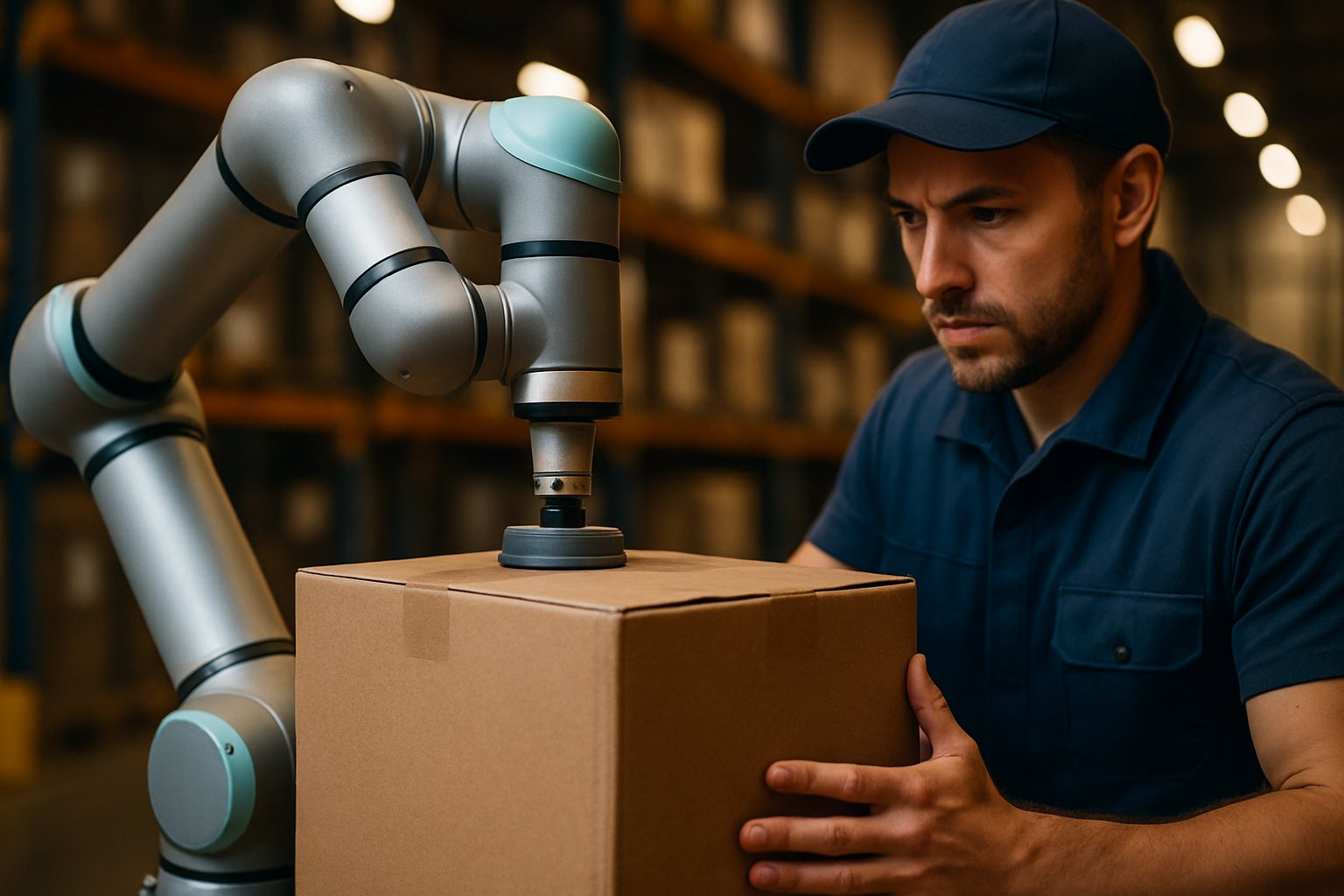
- Robotics Automation share of new warehouse capital spend: ~30 percent (Fortune Business Insights).
- AutoStore installations doubled between 2024 and 2025 across European distribution hubs.
- Analysts link 6 percent cost savings per site to faster trailer Unloading and ergonomic picking.
Consequently, venture funding funnels into innovators such as Pickle Robot and Verve Motion. Investors believe that specialized systems will complement large-scale Robotics Automation rather than replace it. Market numbers confirm sustained momentum. However, safety statistics reveal why managers pursue these machines.
Warehouse Injury Data Context
Transportation and warehousing recorded 3.8 serious injuries per 100 workers in 2022, the highest among 19 sectors. Overexertion from manual Unloading and pallet lifts drives many musculoskeletal disorders. Meanwhile, a George Mason study found roboticized sites posted 40 percent fewer severe injuries, yet 77 percent more minor strains. Labor advocates argue that higher pick rates push repetitive motions even when heavy boxes vanish. The data shows progress mixed with new concerns. Therefore, real-world deployments deserve closer examination.
Robots In Action Today
DHL provides the largest current proof point. DHL’s Stretch robots now perform trailer Unloading at multiple North American and European sites. Furthermore, company executives cite 700 cases per hour and higher employee satisfaction. Consequently, the Memorandum of Understanding signed in May 2025 calls for more than 1,000 units, reinforcing Robotics Automation momentum. AutoStore cube systems complement Stretch by ferrying bins to ergonomic ports. Moreover, goods-to-person design reduces walking distance across vast Logistics floors. This form of Robotics Automation targets small parts picking.
DHL Stretch Rollout Impact
Stretch tackles the most dreaded trailer tasks under extreme temperatures. Boston Dynamics CEO Robert Playter notes that the robot excels at high mix carton handling. In operators’ words, removing heavy lifts cuts shift fatigue and lowers attrition, easing Labor shortages. Stretch demonstrates real productivity and ergonomic value. Nevertheless, wider comparisons illustrate varied outcomes.
Wearable Robotics Field Trials
Soft exosuits from Verve Motion and WeaRo prototypes help workers lift irregular items. Advanced Intelligence Systems published MIT and Yonsei data reporting 18 percent lumbar muscle reduction. Additionally, vendor claims suggest back and hip injuries dropped up to 85 percent across multi-site pilots. Early numbers impress investors. In contrast, scholars request peer-reviewed longitudinal evidence. Such debate fuels the concept of risk reshuffling.
Risk Reshuffling Debate Explained
Brad Greenwood of George Mason coined the term after studying Amazon fulfillment centers. He observed severe injuries falling, while minor sprains surged amid relentless pacing algorithms. Furthermore, Pickle Robot’s engineers accept the critique, arguing that improved task design must accompany Robotics Automation. MIT human factors groups echo this stance, recommending variable cadence schedules to limit strain. Evidence confirms technology alone cannot guarantee safety. Therefore, policy makers have entered the conversation.
Policy And Regulation Shift
The GAO urged OSHA to intensify ergonomic enforcement within warehouses during 2024 hearings. New York’s Warehouse Worker Injury Reduction Act now mandates formal plans at large Logistics facilities. These plans often cite Robotics Automation as a control measure. Consequently, firms integrating Robotics Automation must document hazard assessments and worker consultation. Regulators also scrutinize Unloading zones where robots and humans share space. Compliance pressure alters project economics. Moreover, practical guidance can help leaders navigate this landscape. Best practices offer that assistance.
Implementation Best Practices Guide
Successful adopters follow a structured roadmap. The following steps appear repeatedly in high-performing programs.
- Map high-risk dock tasks such as trailer exits and overhead picking.
- Conduct participatory workshops with Labor representatives before selecting tools.
- Pilot Robotics Automation with clear baseline injury metrics.
- Tune performance goals to prevent excessive strain after deployment.
- Offer continuous training on collaborative zones and emergency stops.
Additionally, third-party ergonomists can validate wearable claims and adjust exosuit torque settings. Professionals can enhance their expertise with the Chief AI Officer™ certification, which covers human-machine integration strategy. A disciplined approach limits surprises and builds workforce trust. Subsequently, attention shifts toward future skill requirements.
Future Outlook And Skills
Analysts expect co-bot density to rise alongside smarter scheduling software. Consequently, roles will change from pure Labor to hybrid technician positions overseeing Robotics Automation fleets. Pickle Robot envisions autonomous case sorting islands supervised by data analysts rather than loaders. MIT courses already teach logistics engineers how to interpret biomechanical sensor data from exosuits. Moreover, industry certifications help managers translate hardware potential into safer processes. Skill investment can unlock broader productivity gains. Nevertheless, decisive action must balance efficiency with human well-being.
Warehouse leaders stand at a pivotal junction. Robotics Automation offers speed, consistency, and relief from dangerous lifts. However, evidence indicates that injury profiles can shift when metrics ignore human limits. Therefore, combining ergonomic design, clear regulation, and ongoing education is essential. MIT studies, GAO scrutiny, and bold pilots from DHL and Pickle Robot supply indispensable insights. Professionals should analyze data, engage Labor voices, and commit to transparent reporting. Additionally, pursuing the Chief AI Officer™ certification can strengthen strategic oversight. Act now to harness technology responsibly and secure resilient Logistics operations.


