

AI CERTs
2 hours ago
Robot Dog Scandal rocks India AI summit
Few moments can derail a technology showcase faster than a credibility hit. At February's India AI Impact Summit, exactly that happened. A televised clip showed a quadruped named "Orion" touted as indigenous innovation. Online viewers instantly recognized the four-legged machine as a Unitree Go2. The mismatch sparked the Robot Dog Scandal conversation across Indian social media and mainstream outlets. Consequently, Galgotias University, the exhibitor, faced scrutiny from regulators, journalists, and event organisers. Moreover, the uproar raised broader questions about hardware sourcing transparency at high-profile government-backed conferences. This article dissects the timeline, hardware facts, reputational stakes, and future safeguards emerging from the controversy. Additionally, professionals will find relevant certification resources to strengthen ethical deployment practices.
Viral Clip Sparks Outrage
Initially, summit coverage seemed routine until a national broadcaster aired Professor Neha Singh's demonstration clip. However, online robotics enthusiasts paused the footage and zoomed on the robot's branding plates. Observers saw the distinctive knee joints and removable battery pack typical of Unitree's Go2 model. Meanwhile, hashtags referencing the Robot Dog Scandal exploded on X, Threads, and LinkedIn within hours. Journalists from Business Today and India Today amplified the discussion by embedding slowed-down screenshots. Consequently, questions emerged about whether Galgotias University had misled viewers or whether miscommunication simply escalated. The clip's virality forced the university to respond before day two of the summit even opened. In contrast, other exhibitors quietly rechecked their own booth signage for accuracy. These reactions underscored how fragile trust can be when visuals contradict verbal claims.
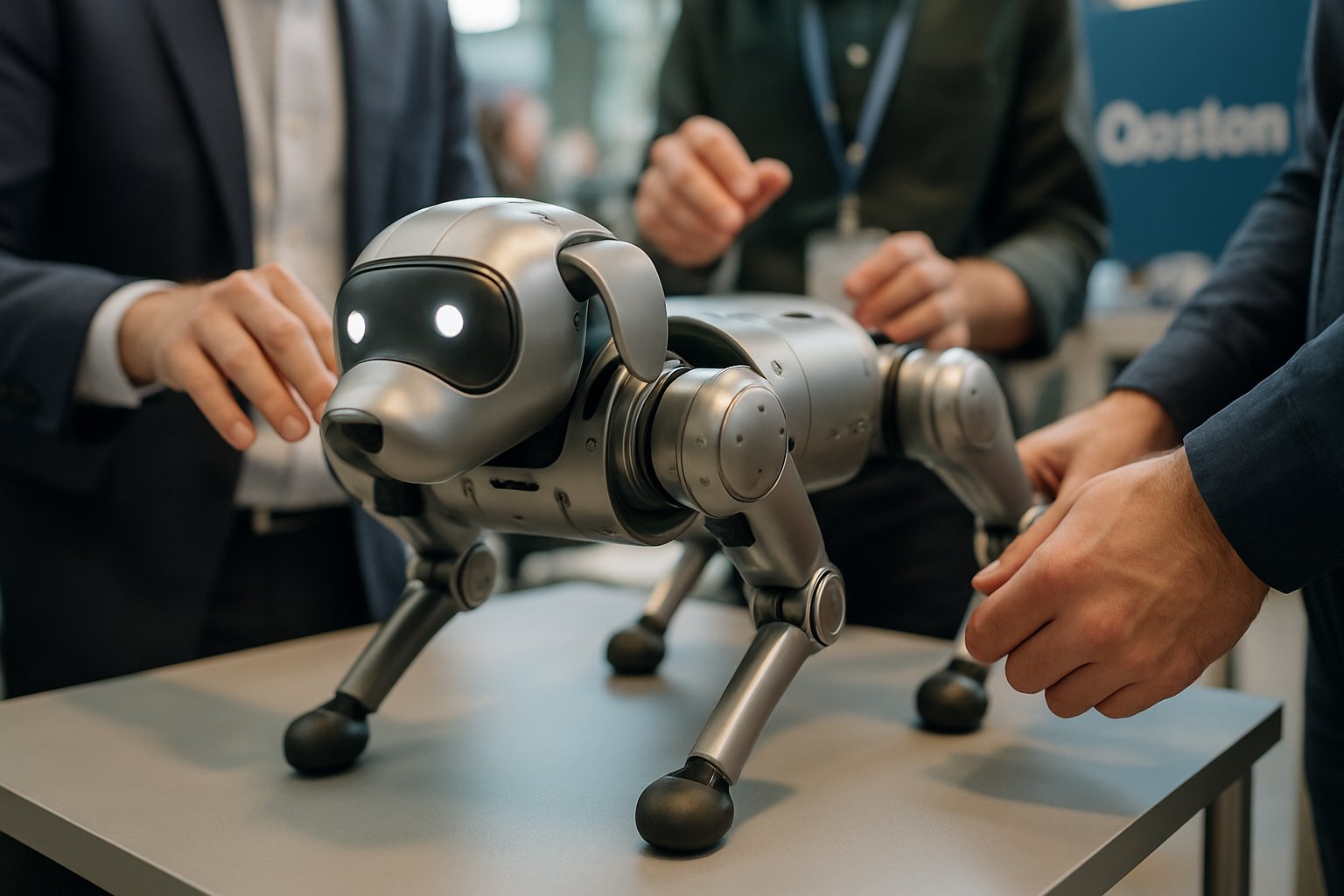
The viral video turned a local demo into national questioning within hours. Trust eroded quickly once viewers matched Orion with a commercial catalogue. Next, the timeline reveals how events escalated day by day.
Timeline Of Unfolding Events
February 17, 2026 marked the demo's broadcast on Doordarshan morning coverage. Subsequently, tech columnist Abhishek Ghosh cross-posted the segment with a caption flagging potential misrepresentation. By early afternoon, Unitree hobbyist forums confirmed identical sensor placements between Orion and the Go2. Furthermore, screenshots of Unitree's $1,600 base price circulated beside the summit's Rs 350 crore investment banner. February 18 opened with Galgotias University issuing its first clarification on X at 08:12 IST. Nevertheless, the statement insisted no claim had been made, contradicting the professor's recorded words. Organisers reportedly asked the booth to close around midday, according to Economic Times citing unnamed officials. Moreover, ABC News Australia covered the story that evening, pushing international headlines beyond South Asia. Between February 19 and 23, follow-up pieces analyzed oversight failures and summit traffic jams. Therefore, an issue lasting two minutes on television dominated a week of global AI reporting.
The timeline shows rapid escalation from local clip to global embarrassment within 48 hours. Institutional responses lagged behind social media identification and media amplification. The next section explores the robot's true provenance.
Hardware Origin Exposed Publicly
Off-the-shelf quadrupeds like the Unitree Go2 have become common teaching platforms worldwide. However, event attendees expected clear disclosure when foreign equipment appears under Indian innovation banners. Technical sleuths matched Orion's aluminium chassis grooves to official Unitree photographs within minutes. Additionally, shop listings quoted import costs near Rs three lakh, verifying affordability for university procurement. In contrast, Galgotias University's booth signage omitted any mention of the supplier. This omission allowed many to infer domestic manufacture, fueling the Robot Dog Scandal narrative further. Moreover, labeling a China-made platform as homegrown touches national sensitivities about self-reliance targets. Researchers often integrate proprietary perception stacks onto bought hardware; clear wording usually prevents confusion. Consequently, transparency failures overshadowed whatever software development the team hoped to showcase.
China-made Unitree Quickly Identified
International robotics groups maintain extensive image databases for quick product recognition. Therefore, when Orion lifted its foot, pattern matching confirmed the manufacturer beyond doubt. Nevertheless, the professor's declaration persisted online, immortalized through endless retweets.
Evidence proved the dog originated from a commercial Chinese line, not a campus workshop. The discovery shifted discussion from novelty to potential hardware fraud concerns. These implications set the stage for reputational and regulatory fallout.
Reputational Fallout And Regulation
Public relations damage hit multiple stakeholders within hours of confirmation. Moreover, government ministries faced criticism for lax exhibitor vetting at the prestigious summit. Galgotias University apologised, describing the presenter as "ill-informed" and reiterating no deceitful intent. However, commentators argued wording attempted to shift blame onto a single academic. Additionally, state regulators cited the Uttar Pradesh Private University Act while considering formal inquiries. Fortune reported stall eviction, though official documentation remains unpublished. Consequently, uncertainty lingers about whether penalties will materialise or remain symbolic warnings. Political optics amplify stakes because national leaders promoted indigenous AI throughout the event. Meanwhile, the Robot Dog Scandal overshadowed other summit announcements, including start-up funding winners. Reputational risk now extends to future grant evaluations involving the university.
Galgotias University Issues Apology
The apology acknowledged ownership but insisted the dog served only as a research platform. Nevertheless, critics noted the clarification arrived after millions viewed the original claim. Therefore, many perceived the statement as reactive rather than transparent.
Institutional credibility suffered because explanations felt delayed and defensive. Regulatory scrutiny may prolong negative coverage for months. Lessons for future exhibitors emerge from this fallout.
Lessons For Tech Exhibitors
Trade shows remain fertile ground for bold claims and quick demos. However, the Robot Dog Scandal demonstrates that global audiences can verify details in real time. Prospective exhibitors should adopt rigorous disclosure checklists before public demonstrations. Moreover, every placard should specify whether showcased hardware is China-made, US-made, or custom built. Additionally, spokespersons must rehearse precise language to avoid overstatement. The following checklist summarises practical safeguards.
- Verify vendor origin on all labels.
- Disclose purchase price and configuration when asked.
- Attribute software versus hardware contributions clearly.
- Train staff with approved talking points.
- Prepare documents proving compliance with import rules.
Consequently, transparency reduces the risk of accusations such as hardware fraud. Furthermore, clear attribution preserves focus on genuine software ingenuity. Professionals seeking stronger communication skills can pursue relevant credentials. For example, the AI Prompt Engineer Essentials™ certification covers ethical disclosure within technical presentations.
Disclosure checklists and targeted training minimise future crises. Yet institutional safeguards need external reinforcement, explored next.
Future Oversight Mechanisms Needed
Regulatory conversations intensified following the summit. Moreover, organisers are drafting stricter exhibitor verification protocols before the 2027 edition. These may mandate pre-event affidavits declaring any China-made components and their provenance. Additionally, random hardware audits could deter intentional mislabeling or hardware fraud. Meanwhile, several universities propose internal review committees to vet demo materials. In contrast, industry associations argue excessive paperwork might stifle rapid innovation. Nevertheless, balanced oversight protects national branding without hindering academic freedom. Consequently, stakeholders aim to finalise guidelines by December. The Robot Dog Scandal remains their reference case when justifying stricter norms. Therefore, transparent supply chain documentation could soon become a baseline requirement.
Clear rules promise faster trust restoration after mishaps. Ultimately, consistent standards will prevent another Robot Dog Scandal.
The India AI Impact Summit offered a cautionary spectacle. However, the Robot Dog Scandal proved that provenance transparency is non-negotiable. Moreover, mislabeling China-made hardware erodes institutional credibility faster than any technical glitch. Consequently, allegations of hardware fraud can overshadow genuine research efforts for years. Galgotias University now serves as a case study of reactive crisis management. Therefore, exhibitors, regulators, and educators must adopt rigorous disclosure practices immediately. The Robot Dog Scandal will likely shape forthcoming verification frameworks across Indian tech events. Nevertheless, organisations can still rebuild trust through consistent honesty and skilled communication. Professionals should explore certification programs to strengthen ethical presentation skills. Act now to ensure your showcase never triggers another Robot Dog Scandal.


