

AI CERTs
1 month ago
Robot Control Vulnerability Exposes 10,000 DJI Devices
A playful weekend project turned into a headline-grabbing crisis. Spanish engineer Sammy Azdoufal sought to steer his DJI Romo with a PlayStation controller. However, his custom client unlocked thousands of other units instead. The episode, now known as the Robot Control Vulnerability, demonstrates how one mis-configured cloud broker can jeopardize global consumer privacy. Consequently, executives across robotics and IoT sectors are reassessing backend designs before regulators step in.
Reporters from The Verge watched Azdoufal access live video, audio, and 2D floorplans within minutes. Moreover, he captured more than 100,000 MQTT messages from about 6,700 vacuums across 24 countries. Including other DJI products, the exposed inventory surpassed 10,000 devices. These numbers highlight growing risk as connected gadgets multiply.
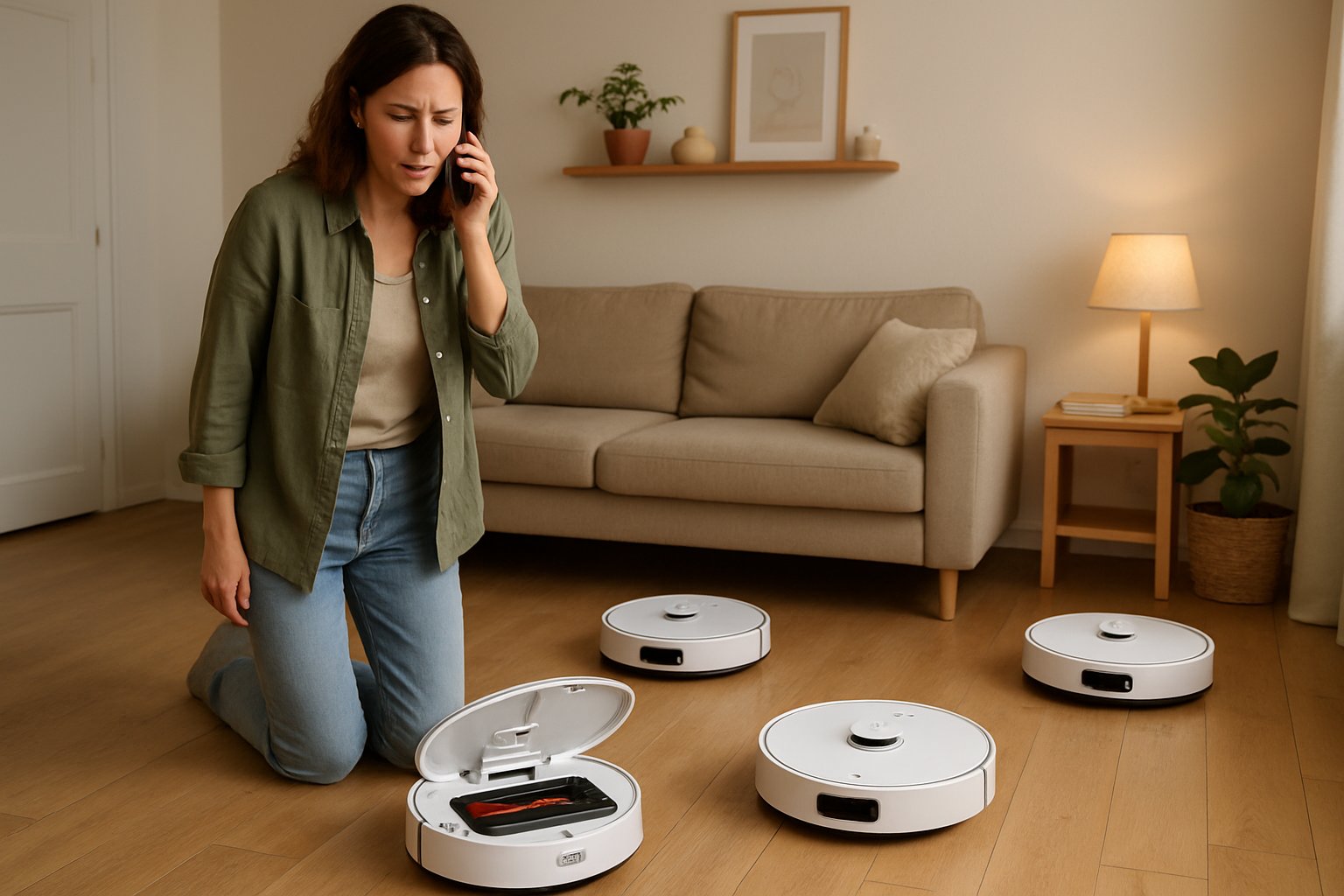
This article dissects the discovery, provides timeline clarity, and outlines actionable mitigation steps. Readers will also find links to enhance professional security expertise, including the AI Security Specialist™ certification.
Incident Overview And Details
Azdoufal relied on Anthropic’s Claude Code assistant to reverse-engineer his own vacuum. Subsequently, the tool authenticated against DJI’s MQTT cloud using his device token. In contrast to expected scope limits, the broker treated that token as universal. Therefore, the Robot Control Vulnerability surfaced instantly.
Independent researcher Kevin Finisterre noted that MQTT security hinges on topic-level ACLs. When those lists are absent, an authenticated client can subscribe to wildcard topics and spy on every publishing device. Meanwhile, TLS only encrypts packets in transit; it cannot enforce application permissions.
Key early facts emerged:
- 6,700 Romo units responded during a nine-minute scan
- More than 100,000 messages captured in that window
- Total exposed devices, including DJI Power stations, exceeded 10,000
These data points underscore systemic security gaps. Nevertheless, they also illustrate how quickly talented hobbyists can uncover flaws using modern AI tooling. This situation raises fresh questions about responsible disclosure and accidental hacking incentives.
These initial observations frame the magnitude. Furthermore, they lead directly to the technical root cause.
Technical Root Cause Analysis
The Robot Control Vulnerability stems from missing ACL enforcement on DJI’s cloud broker. MQTT allows devices to publish telemetry to hierarchical topics. However, without granular authorization, any valid token may subscribe to wildcard expressions such as #. Consequently, one client can ingest every message flowing through the system.
Azdoufal’s token, intended for a single vacuum, became a master key. Moreover, DJI’s backend failed to validate permissions after connection. Therefore, topic subscriptions succeeded unchecked. Although the session ran over TLS, the encryption wrapper offered no relief because the flaw lived at the application layer.
Finisterre emphasized that many IoT deployments repeat this pattern. Additionally, DevOps teams often believe TLS alone suffices. In contrast, best practice mandates layered controls: token scoping, topic ACLs, and where feasible, payload encryption.
Understanding these mechanics clarifies how one engineer could commandeer thousands of robots. Consequently, the next section explores scale and immediate impact.
Scale And Impact Scope
Several metrics convey the breach seriousness. Firstly, 6,700 vacuums across 24 countries transmitted data within nine minutes. Secondly, message throughput topped 11,000 per minute. Thirdly, combining Romo units with DJI Power stations lifted exposure beyond 10,000 devices.
Potential harms include:
- Real-time surveillance through onboard cameras and microphones
- Leakage of detailed home floorplans valuable to burglars
- Remote control that could startle occupants or pets
- Accidental storage of personally identifiable information
Moreover, the episode occurred while DJI faced United States regulatory scrutiny over national-security concerns. Therefore, policy makers may cite this incident as fresh evidence of supply-chain risk.
The magnitude forced DJI into swift action. Subsequently, the company issued a two-phase patch. That response deserves focused review.
Vendor Response Timeline Facts
DJI’s statement to The Verge claimed internal detection of the Robot Control Vulnerability in late January. Consequently, engineers deployed an initial backend fix on February 8. A follow-up patch arrived February 10. Both updates required no consumer action.
Nevertheless, Azdoufal and independent analysts observed lingering gaps. For instance, video streaming allegedly remained available without entering a device PIN. Additionally, one undisclosed flaw remains embargoed until DJI delivers a comprehensive remedy.
DJI promised resolution “within weeks.” Meanwhile, experts urge a transparent postmortem. Furthermore, customers request audit logs confirming whether malicious actors accessed their data. Without that clarity, trust erosion continues.
This timeline highlights rapid iteration yet incomplete closure. However, the broader industry can still learn critical lessons.
Broader Industry Lessons Learned
Several insights arise for robotics product teams:
- Never rely on transport encryption alone; enforce strict server-side authorization.
- Segment device tokens to the narrowest possible scope.
- Integrate continuous monitoring for anomalous topic subscriptions.
- Adopt independent penetration testing prior to market launch.
- Provide public security advisories and postmortems to bolster confidence.
Furthermore, AI coding assistants now amplify both creative and destructive potential. Hobbyists can prototype exploit tools quickly, accelerating discovery cycles. Consequently, vendors must assume faster threat timelines and design defensively.
Professionals seeking deeper domain authority can validate skills through structured programs. For example, the AI Security Specialist™ credential covers MQTT hardening and modern DevSecOps tactics.
These principles apply across consumer IoT ecosystems, not just vacuums. Therefore, the final section turns to practical mitigation strategies.
Mitigation Steps Moving Forward
Organizations shipping network-connected devices should adopt a layered defense approach. Firstly, audit cloud brokers for topic-level ACL coverage. Secondly, implement token rotation and scope limitation. Moreover, embed payload encryption so that even mis-scoped tokens cannot reveal sensitive content.
Subsequently, teams must establish a coordinated vulnerability disclosure program. That framework enables researchers to report issues responsibly, reducing public hacking spectacle. Additionally, developers should employ automated scanners that probe for wildcard subscription success during continuous integration pipelines.
Regulatory compliance will tighten as high-profile lapses multiply. Consequently, firms operating in robotics and smart home markets should prepare detailed breach reporting processes. Meanwhile, investing in staff upskilling remains vital. Certifications like the AI Security Specialist™ course equip engineers to foresee similar faults.
These mitigation steps close technical gaps. Nevertheless, sustained vigilance will determine long-term security resilience.
The outlined roadmap summarizes actionable defenses. In contrast, ignoring lessons invites repeat exposure and elevated enterprise risk.
Key Takeaways Recap
• A hobby project unveiled global device exposure.
• Missing MQTT ACLs created the Robot Control Vulnerability.
• Swift vendor patches reduced impact yet unanswered questions remain.
• Industry must enforce multi-layer authorization, not just TLS.
• Professional training and transparent disclosure build durable trust.
These highlights reinforce the urgency of proactive design. Consequently, leaders should integrate them into current development cycles.
Looking Ahead Proactively
Future consumer robots will feature richer sensors and stronger cloud hooks. Therefore, the attack surface will expand. Moreover, AI tools will shorten exploit timelines. Nevertheless, disciplined engineering and certified talent can counterbalance that pressure.
Stakeholders must prioritize secure defaults today. Subsequently, they need to maintain continuous improvement loops as architectures evolve. Every lesson from this incident should translate into concrete backlog items before the next product release.
Organizations that act now will transform a headline scare into a competitive advantage. However, delay will magnify exposure when the next researcher starts experimenting.
Conclusion And CTA
The Robot Control Vulnerability revealed how a single authorization lapse can compromise thousands of homes. Moreover, it showcased both the creative power of hobbyists and the persistent fragility of many IoT backends. DJI’s rapid but partial patch offers hope, yet unresolved issues signal continuing risk.
Consequently, companies must audit MQTT deployments, enforce layered controls, and embrace transparent disclosure. Professionals should strengthen their knowledge to stay ahead. Explore the AI Security Specialist™ program today and lead your organization toward resilient, privacy-first connected products.


