

AI CERTs
2 hours ago
Retail Surveillance Misfire Fuels Regulation Debate
Warren Rajah expected a routine grocery run. However, on 27 January 2026 staff removed his basket and ordered him out of Sainsbury’s Elephant & Castle branch. The store’s facial recognition Surveillance system had supposedly flagged him as a known offender. Consequently, Rajah left feeling criminalised. Sainsbury’s and Facewatch later blamed human error, not algorithm failure. Nevertheless, the incident spotlights mounting questions about private biometrics in British Retail.
Incident Sparks Debate
The misidentification came to light on 5 February through national coverage. Moreover, Sainsbury’s admitted Rajah was never on Facewatch’s database and offered a £75 voucher. Facewatch issued its own apology. Meanwhile, civil-liberties group Big Brother Watch called the episode “deeply Orwellian”.
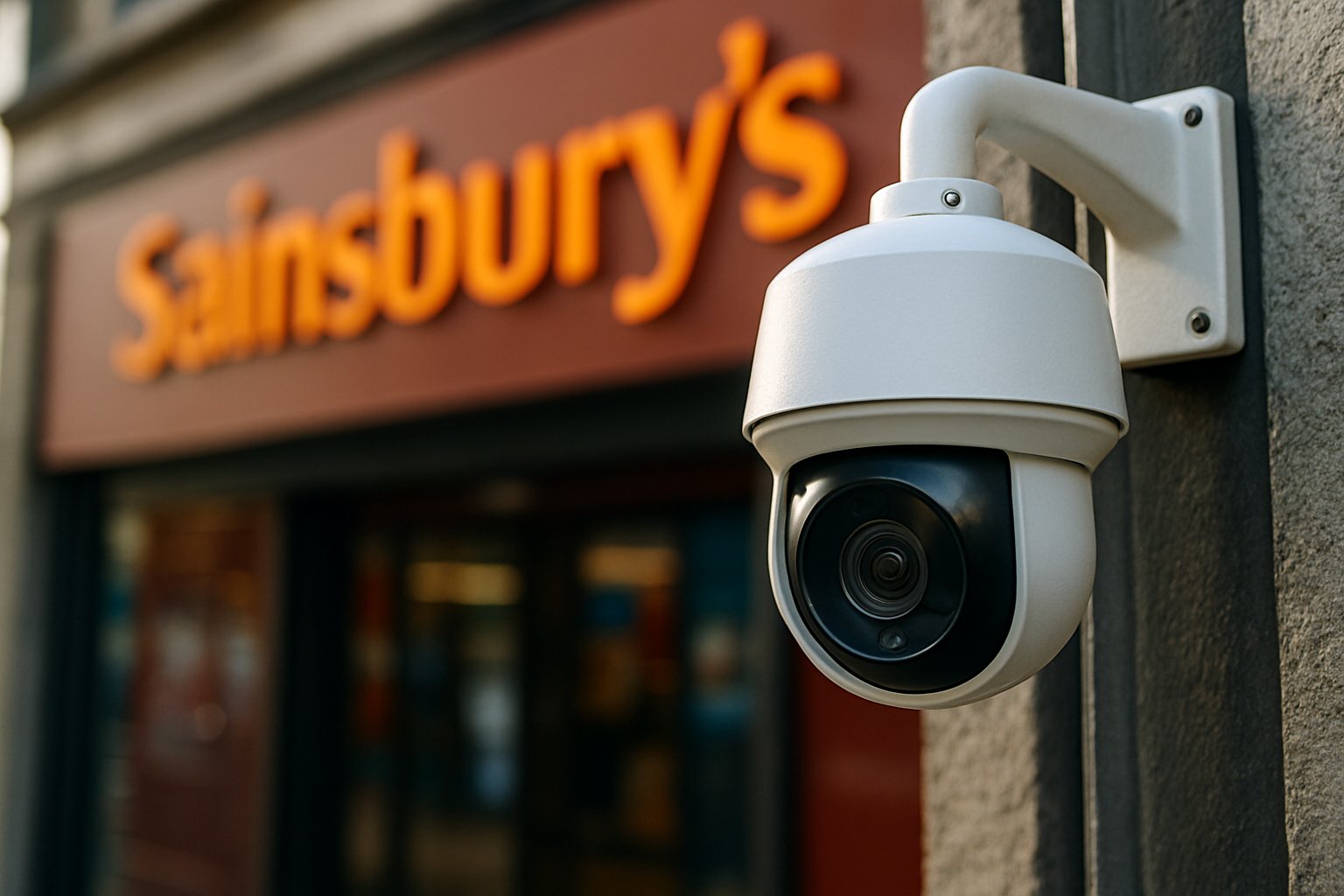
Sainsbury’s has trialled Facewatch since September 2025. Seven stores now run the system. The grocer claims a 46 percent fall in theft and aggression plus a 92 percent non-return rate for offenders. Additionally, the company cites 99.98 percent accuracy. These numbers remain unaudited.
- Trial launch: September 2025
- Stores involved: seven
- Claimed incident drop: 46 percent
- Claimed accuracy: 99.98 percent
These statistics persuade many executives. However, Rajah’s ordeal highlights practical gaps. These gaps will guide our next discussion.
How Technology Works
Facial recognition captures live images and extracts biometric templates. Subsequently, algorithms compare these templates against a watchlist. An alert appears when similarity crosses a set threshold. Therefore, staff must interpret notifications carefully.
Retail watchlists usually combine images submitted by multiple partners. In contrast, police systems rely on criminal databases. Both methods raise Privacy questions because biometric data is classed as sensitive under UK GDPR.
Proponents stress that human review accompanies every alert. Nevertheless, busy shop floors create pressure. Mistakes can escalate quickly, as Rajah discovered. This technical overview sets up the performance discussion ahead.
Accuracy And Errors
Sainsbury’s promotes Facewatch’s near-perfect score. Furthermore, it highlights a 46 percent overall incident drop. Yet academic studies challenge such glowing metrics. Independent audits often reveal demographic bias and higher false-positive rates for minorities.
Government figures show 962 police arrests from live facial deployments between September 2024 and September 2025. However, the Home Office has not published detailed error data. Consequently, voters lack a full picture.
Rajah’s case demonstrates that even a single false match can damage trust severely. Moreover, operational lapses can trigger harm regardless of algorithm quality. These realities underline why accuracy claims demand scrutiny. The next section explores crime pressures that drive adoption.
Retail Crime Pressures
Shoplifting and staff assaults have surged across Britain. Therefore, managers seek deterrents that scale beyond security guards. Facial recognition promises speed and consistency. Additionally, unions support measures that reduce violence.
Home Bargains, Iceland, and Sports Direct now deploy Facewatch. Consequently, watchlists grow rapidly. Critics warn that expansion increases the likelihood of wrongful bans. Meanwhile, smaller shops might feel compelled to copy large rivals, raising sector-wide Privacy stakes.
These commercial dynamics explain industry enthusiasm. However, regulatory frameworks must adapt. Let us examine the current legal landscape.
Regulatory Gap Concerns
The Information Commissioner’s Office states that biometric processing must remain lawful, fair, and proportionate. Nevertheless, existing guidance targets individual cases rather than systemic oversight. Moreover, the Ada Lovelace Institute urges risk-based legislation and an independent biometrics regulator.
The government is consulting on fresh laws for law-enforcement use. In contrast, private deployments like Retail watchlists sit in a grey zone. Consequently, campaigners describe the situation as an “Orwellian Wild West”.
ICO can issue fines after breaches. However, few precedents exist, and enforcement moves slowly. Therefore, many shoppers remain unaware they are scanned until incidents occur. These gaps intensify calls for stronger accountability measures, explored in the next section.
Balancing Benefits Risks
Supporters claim that visible cameras deter repeat offenders. Furthermore, Sainsbury’s early data suggests notable safety gains. Professionals can enhance expertise and governance insight through the AI+ Cloud™ certification.
Nevertheless, false alerts shift the burden onto innocent individuals. Big Brother Watch’s Jasleen Chaggar argues that anyone could be ejected without evidence. Additionally, documented bias research amplifies concerns for ethnic minorities.
Policymakers weigh these competing factors. Consequently, some propose mandatory independent audits, transparent watchlist criteria, and fast redress channels. These proposals feed into next-step discussions below.
What Comes Next
Rajah has contemplated legal action but hopes the episode spurs reform. Meanwhile, Sainsbury’s promises a process review. Facewatch says it will reinforce staff training.
Regulators may demand incident logs, demographic performance data, and clearer signage. Furthermore, retailers could adopt privacy-by-design approaches, limiting image retention and sharing.
- Commission independent accuracy audits
- Publish watchlist inclusion policies
- Create rapid appeal mechanisms
- Provide mandatory bias training for staff
These steps could restore consumer trust. However, success depends on transparent collaboration between vendors, regulators, and advocates. Our conclusion summarises the core lessons.
Rajah’s ordeal underscores how Surveillance technology can malfunction in practice. At least ten other British chains now scan faces regularly. Therefore, each misfire risks reputational damage and legal scrutiny. In contrast, properly governed systems may deliver safety gains. Ultimately, the debate turns on evidence, clear rules, and respect for Privacy.
Conclusion And Action
Misidentification at Sainsbury’s illustrates the delicate trade-off between safety and Privacy. Moreover, it reveals procedural weak points within current Surveillance rollouts. Independent audits, stronger oversight, and transparent redress paths could mitigate harm while preserving legitimate Retail objectives. Consequently, professionals should track policy developments and invest in upskilling. Consider deepening your governance skills through the linked certification above. Staying informed today ensures responsible technology adoption tomorrow.


