

AI CERTS
2 hours ago
Report Disclosure Rules Reshape AI Police Reports
Early voluntary labeling has quickly shifted to mandatory rules in California and Utah. Moreover, prosecutors in Washington and Minnesota refuse unsigned AI narratives, amplifying pressure nationwide. This article examines why Report Disclosure statutes emerged, how agencies comply, and what comes next.
Rapid Policy Momentum Grows
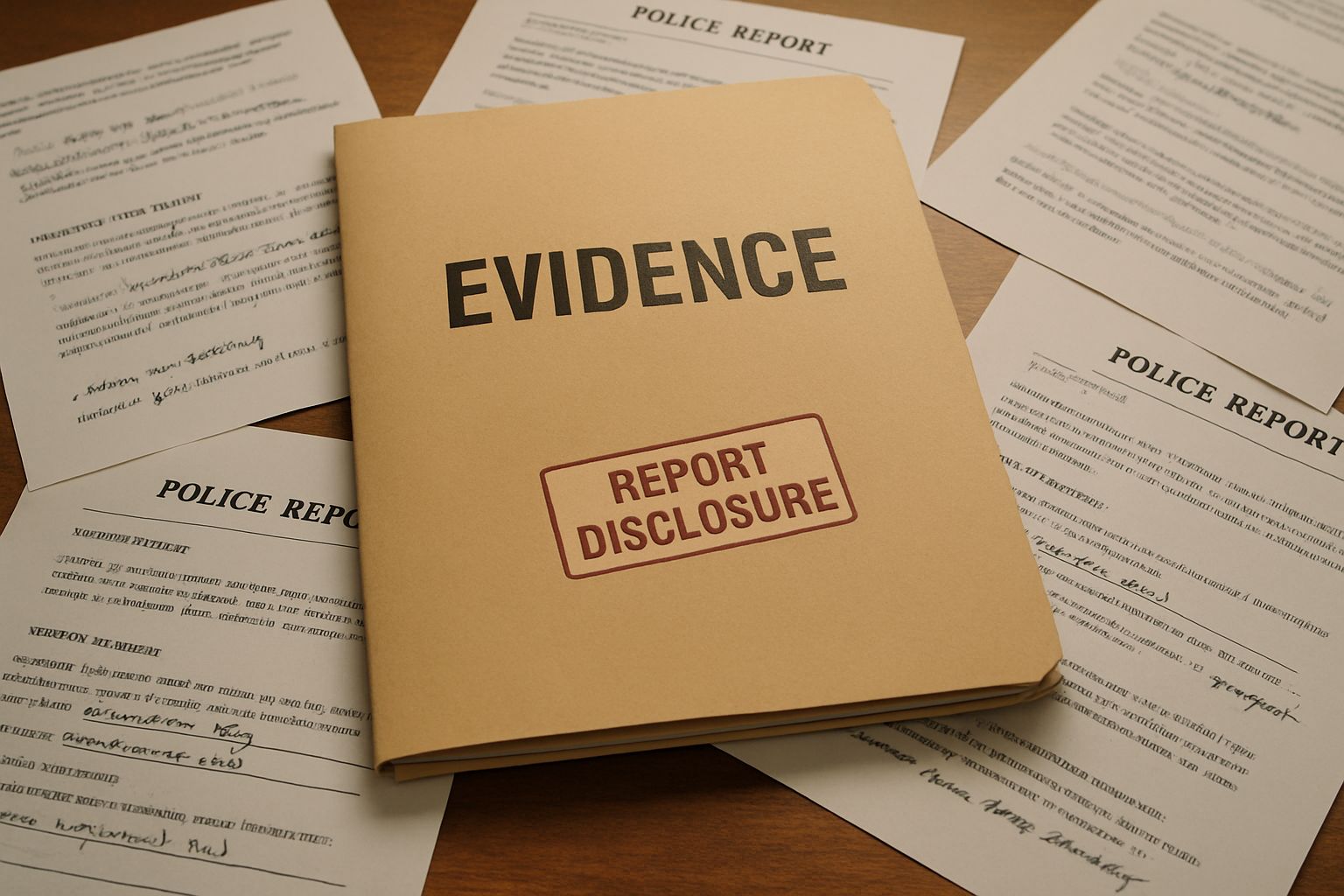
Lawmakers moved from permissive pilots to binding mandates within eighteen months. Furthermore, investigative reporting revealed that some AI systems silently deleted initial drafts. In contrast, public defenders demanded visibility to protect due process rights. Therefore, legislatures fast-tracked bills requiring transparent Report Disclosure on every official narrative.
California’s Senate passed SB 524 unanimously after hearings highlighted evidence risks. Meanwhile, Utah adopted similar language through SB 180, effective May 2025. Local councils from St. Paul to Fort Collins echoed the approach through department policies.
These rapid actions illustrate bipartisan urgency. However, the legislative models vary, demanding closer scrutiny in the next section.
Key Legislative Models
Every law shares four core pillars despite jurisdictional nuance. Moreover, each pillar targets accountability gaps exposed by disappearing AI drafts.
- Visible Report Disclosure label on every finalized narrative
- Retention of the first AI drafts for audit
- Comprehensive audit trail linking audio, video, and officer actions
- Vendor limits on secondary use or sale of police data
Collectively, these measures give courts, defense teams, and the public a verifiable chain of custody. Consequently, evidentiary hearings can separate human edits from machine suggestions.
The pillars are consistent across states. Next, we unpack specific statutes, beginning with California SB 524.
California SB 524 Provisions
California’s SB 524 amended the Penal Code and Government Code in 2025. Additionally, the law forces a prominent Report Disclosure sentence atop every report. The required statement reads, "This report was written fully or in part using artificial intelligence". Moreover, agencies must store the first AI drafts as long as final records exist. Retention parity prevents deletion practices revealed in Axon product investigations. Furthermore, the statute bars vendors from selling processed police footage, except for maintenance purposes. Violations may trigger civil penalties and contract termination under existing procurement rules.
California sets the benchmark for thoroughness. Utah followed with certification requirements, examined next.
Utah Officer Certification Rules
Utah’s SB 180 mirrors labeling requirements yet adds personal accountability. Specifically, every officer must sign a sworn statement confirming review of AI text. Consequently, prosecutors can impeach testimony if an officer rubber-stamped hallucinated content. Moreover, the bill commands agencies to file annual compliance reports with the state auditor. SB 524 influenced Utah drafters, yet local politics shortened retention timelines to ten years.
Utah prioritizes human attestation. Next, we assess the technologies propelling adoption.
Technology Driving Rapid Adoption
Body-worn cameras generate hours of footage that overwhelm transcription teams. Therefore, vendors like Axon introduced Draft One, converting audio into narrative drafts within minutes. Additionally, large language models enhance clarity, grammar, and time stamping automatically.
Agencies report that some officers save thirty minutes per incident using the tool. Palm Beach County alone logged 3,000 AI files during a short pilot. However, early configurations deleted the original cue-to-text output once humans edited it. That design hindered discovery because opposing counsel could not compare AI and human versions.
Speed and convenience drive adoption. Nevertheless, missing records create serious audit trail challenges, explored below.
Audit Trail Challenges Exposed
EFF investigators found Draft One configurations that stored no initial Report Disclosure metadata. In contrast, California now mandates immutable hashes linking video, audio, drafts, and user IDs. Furthermore, prosecutors in King County refuse AI narratives lacking that evidence chain. Defense attorneys argue that absent drafts violate Brady disclosure principles. Consequently, agencies scramble to reconfigure systems before court deadlines.
Auditability stands central to legitimacy. Next, civil liberty critiques illustrate broader stakes.
Civil Liberty Concerns Rise
Civil-rights groups worry that fabricated details could wrongfully incarcerate defendants. Moreover, privacy advocates fear biometric data leakage from cloud processing. EFF calls Report Disclosure the minimum safeguard against invisible algorithmic testimony. In contrast, some police unions argue the laws slow necessary modernization. Nevertheless, public opinion currently favors transparency over speed according to recent Pew polling.
Rights groups will monitor implementation closely. Meanwhile, international developments provide additional context.
Global Labeling Trend Spreads
Outside the United States, regulators now demand labeling for synthetic media across sectors. For example, India’s 2026 intermediary rules require watermarking and Report Disclosure style notices. Spain’s data authority issued fines when platforms failed to tag deep-fake videos. Consequently, international momentum reinforces American policy choices on police documentation.
Professionals can enhance their expertise with the AI Government Specialist™ certification. Moreover, the course covers audit trails, policy drafting, and effective Report Disclosure messaging.
Global rules suggest convergence around transparency. Therefore, U.S. agencies should track foreign standards when updating systems.
Conclusion
Transparency mandates are no longer experimental; they are statutory reality. SB 524 and Utah SB 180 illustrate the playbook other states now borrow. Moreover, consistent Report Disclosure practices protect evidence integrity and public trust. Agencies that capture AI drafts, keep audit logs, and append the required statement mitigate litigation risk. Consequently, each officer retains ownership over the final narrative, reinforcing accountability. In contrast, ignoring disclosure could lead to suppressed evidence or damages awards. Therefore, leaders should audit configurations, train staff, and publish clear Report Disclosure FAQs. Finally, readers seeking deeper policy skills should pursue the earlier linked AI Government Specialist™ credential. Timely education converts regulatory burden into operational advantage.


