

AI CERTs
13 hours ago
Relational Risk Research: AI’s Rising Impact on Worker Welfare
Generative AI now reaches factory floors and cloud consoles alike. However, debate about its winners and losers remains fierce. Relational Risk Research offers a fresh lens on these disputes. The framework spotlights how power, context, and values shape technological harm. Consequently, understanding relationships, not only algorithms, becomes vital for worker welfare. This article synthesizes new global evidence, policy shifts, and practical steps. Moreover, it weighs benefits against the emerging costs of Algorithmic Management. Meanwhile, regulators and unions are sharpening tools to protect autonomy and mental health. We trace these developments and outline certifications that can empower responsible executives.
Global Exposure Trends Now
Recent indexes quantify how many tasks could shift under Generative AI. Furthermore, the ILO estimates 25% of global jobs face some exposure. In high-income economies that proportion rises to roughly 34%. PwC’s barometer links exposure to 38% job growth in affected roles since 2019.
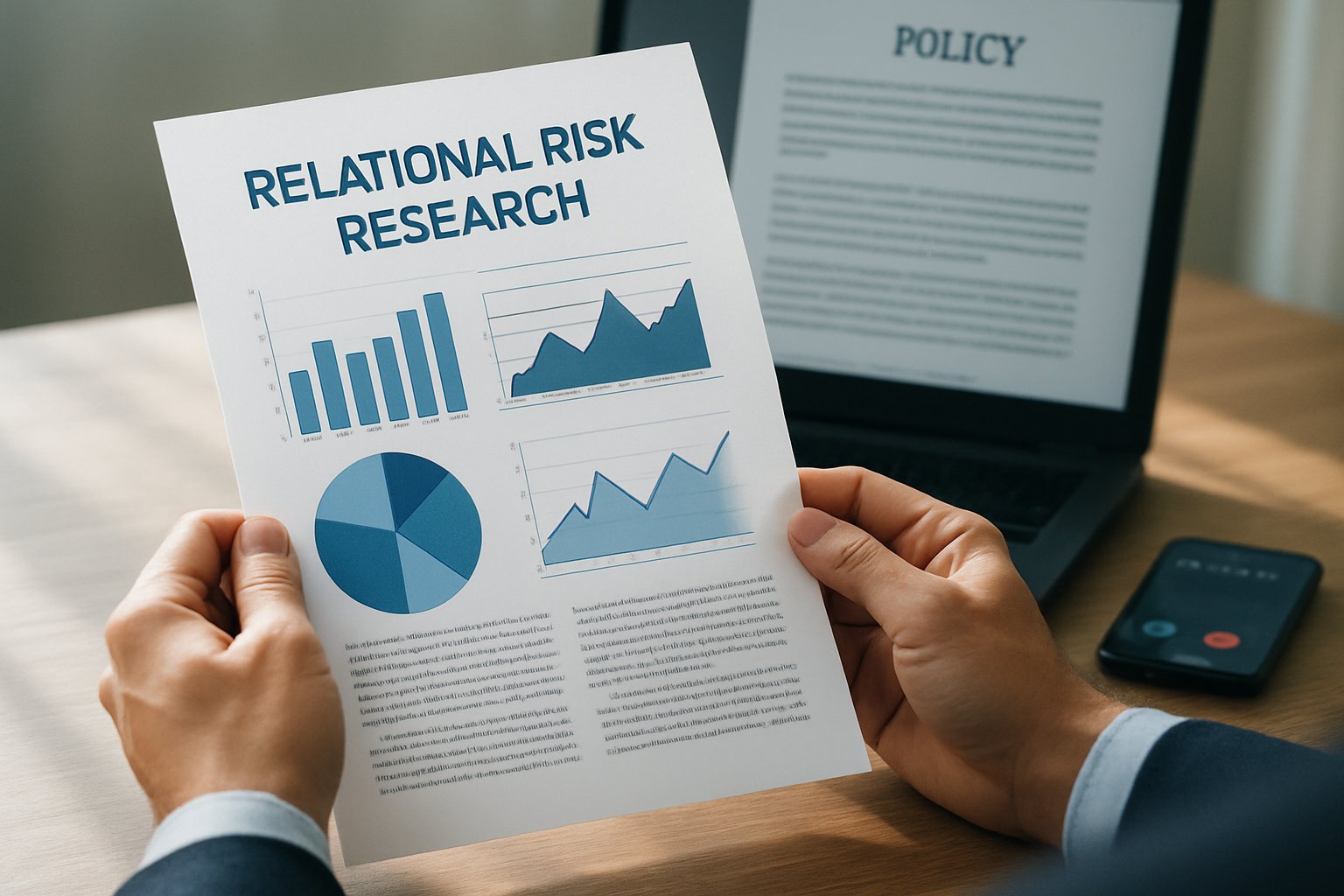
- ILO: 25% of jobs have Generative AI exposure worldwide.
- PwC: AI-exposed roles grew 38% between 2019 and 2024.
- Relational Risk Research warns these figures mask institutional variation.
Nevertheless, exposure differs from impact because firms decide which tasks to automate. Relational Risk Research therefore stresses context when interpreting these large numbers. Methodological choices, including task taxonomies, also change the final headline. Exposure metrics signal potential change, not inevitable layoffs. However, understanding them prepares stakeholders for proactive action.
Welfare Evidence Snapshot 2025
Scientific Reports delivered the first longitudinal look at AI and well-being. Moreover, the study found no significant average decline in job or life satisfaction. Small improvements in physical health emerged, likely due to reduced lifting and repetitive strain. In contrast, self-reported exposure correlated with modest dips in subjective mood.
According to Relational Risk Research, welfare must be examined relationally, not symptomatically. Relational Risk Research views these mixed findings as early, context-specific signals. Consequently, scholars urge broader, multi-country panels before drawing firm conclusions. Meanwhile, behavioral experiments highlight an "AI penalization" effect lowering perceived deservingness. Such social dynamics add a Psychosocial Tech Impact needing equal attention. Current evidence neither confirms dystopia nor utopia. Further data collection will clarify welfare trajectories ahead.
Gendered Risk Patterns Unveiled
Exposure indices reveal striking gender disparities. ILO data show 9.6% of female jobs in high-income countries face highest automation risk. That compares with only 3.5% for men. Moreover, clerical and administrative roles, dominated by women, display heightened vulnerability.
Relational Risk Research highlights how social roles magnify technical exposure. Therefore, policy must combine skills programs with safeguards against discriminatory Algorithmic Management. Union campaigns already demand transparent data and appeal rights for impacted cohorts. Gendered patterns underscore AI's uneven burden. Subsequently, targeted training and oversight become essential.
Emerging Policy Responses Worldwide
Lawmakers have started to react to mounting evidence. The EU AI Act classifies hiring, monitoring, and firing systems as high risk. Consequently, employers must ensure human oversight and offer explanation rights. Meanwhile, U.S. unions resist federal preemption that could dilute state safeguards.
Relational Risk Research applauds rules that embed relational thinking within compliance duties. Furthermore, audit frameworks such as WORKBank align deployment with worker preferences. Regulators may soon reference these tools when assessing Psychosocial Tech Impact in workplaces. Policy momentum is real yet fragmented. Nevertheless, early alignment signals a path for global convergence.
Redesigning Work With AI
Firms are experimenting with new governance structures. Some offer AI literacy, disclosure dashboards, and internal review boards. Moreover, worker preference audits reveal tasks staff happily relinquish versus tasks requiring control. Such insights mitigate Algorithmic Management excesses and reduce Psychosocial Tech Impact.
Relational Risk Research encourages linking augmentation choices to bargaining agreements. Consequently, professionals can boost expertise through the Chief AI Officer™ certification. The course covers governance, risk metrics, and inclusive deployment strategies. Therefore, graduates can champion balanced automation within their organizations. Company practice proves design decisions shape welfare outcomes. In contrast, ignoring human agency invites backlash and reputational harm.
Strategic Recommendations Moving Forward
Drawing on the evidence, several priorities emerge. First, map task exposure using transparent, participatory audits. Second, integrate mental-health metrics to capture Psychosocial Tech Impact early. Third, negotiate clear data, appeal, and upskilling provisions within collective agreements. Fourth, invest in leadership training that recognizes Algorithmic Management limits.
Relational Risk Research recommends monitoring distribution of productivity gains across demographics. Moreover, periodic surveys can reveal hidden penalties linked to AI assistance. Subsequently, firms should adjust bonus pools and credit rules to curb penalization. These steps translate theory into protective practice. Therefore, organizations can harness AI while safeguarding every worker.
AI’s workplace footprint is widening fast. Nevertheless, Relational Risk Research reminds leaders that power relations determine final outcomes. Global data show productivity gains, wage premiums, and health benefits when governance keeps pace. Conversely, unchecked Algorithmic Management and ignored Psychosocial Tech Impact can erode trust and fairness. Therefore, invest in transparent audits, continuous training, and certified leadership. Take action today and shape an inclusive, resilient AI future.


