

AI CERTS
3 hours ago
Recruitment Bias: Age Lawsuits Push HR Algorithms Under Fire
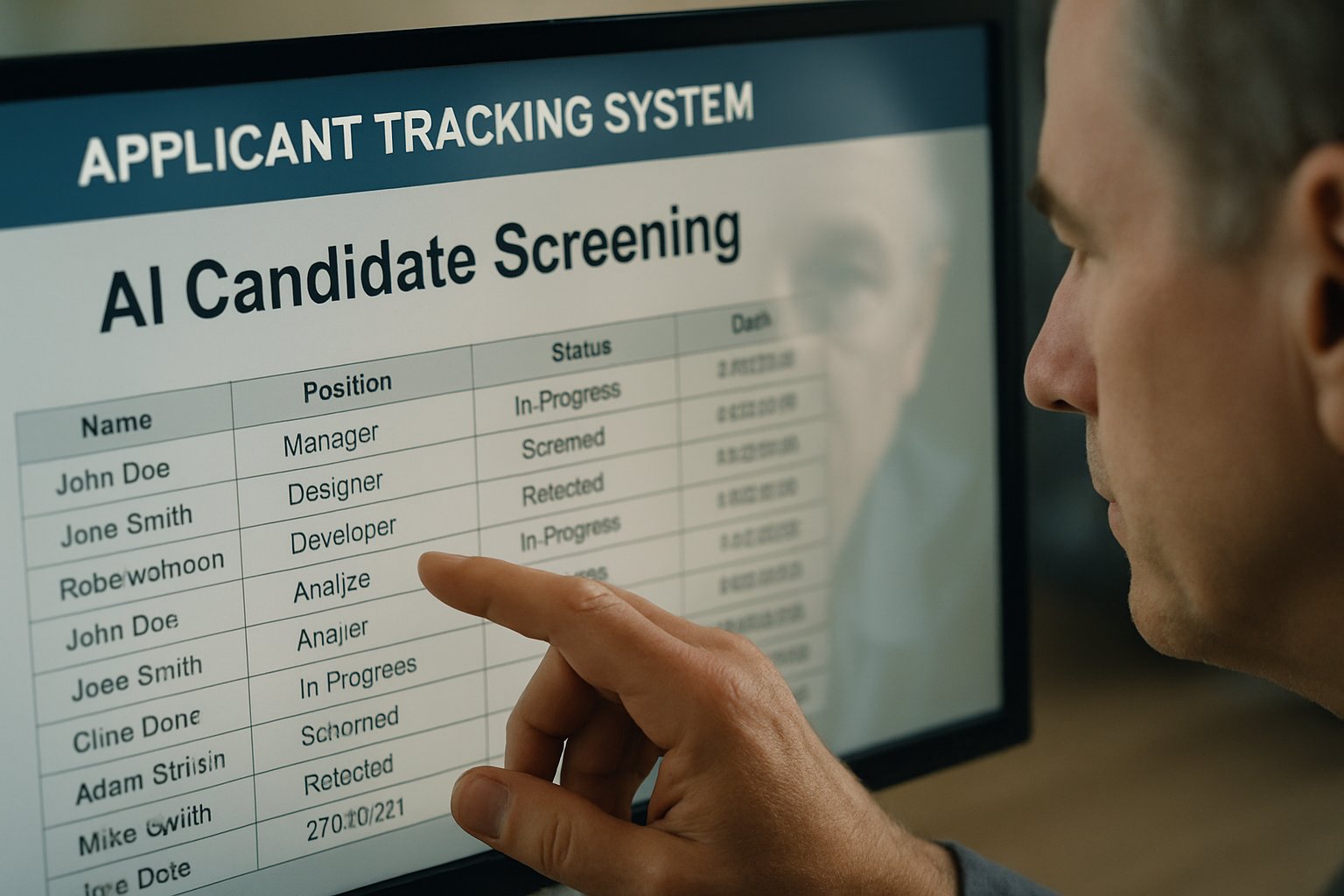
Meanwhile, headline cases against Workday, iTutorGroup, and Eightfold illustrate concrete risks.
This article unpacks the drivers, lawsuits, technical roots, and mitigation steps.
Readers gain actionable insights to safeguard every Workplace while still enjoying algorithmic efficiency.
Rising Corporate AI Adoption
Global HR departments now lean heavily on automated screeners.
SHRM recorded adoption jumping from 26% in 2024 to 43% in 2025.
Moreover, 51% apply these tools specifically to recruiting.
Employers cite faster candidate triage and lower administrative costs.
Nevertheless, efficiency can mask emerging fault lines.
Proxy variables such as graduation year often reveal age, creating hidden Algorithms that disadvantage older talent.
Such early enthusiasm often ignores Recruitment Bias lurking within resumes.
Adoption figures confirm that algorithmic Hiring is mainstream.
However, mainstream use also magnifies liability, leading directly to the next wave of age lawsuits.
Age Discrimination Cases Escalate
EEOC enforcement set the tone through its iTutorGroup settlement.
Chair Charlotte Burrows stressed that technology never absolves responsibility.
Furthermore, Mobley v. Workday gained preliminary collective certification.
The complaint alleges systemic exclusion of applicants aged 40 and above.
Meanwhile, plaintiffs targeting Eightfold pursue consumer reporting statutes instead of ADEA claims.
Key legal flashpoints include:
- iTutorGroup paid $365,000 and accepted monitoring by the EEOC.
- Workday litigation could cover millions of Hiring applications.
- Eightfold faces FCRA and state claims over secret scoring.
Courts increasingly treat Recruitment Bias allegations as class-wide harms.
Therefore, executives cannot ignore Recruitment Bias compliance budgets.
These matters portray massive payouts and reputational damage.
Consequently, companies must track evolving legislation worldwide.
Such cases highlight concrete accountability.
Subsequently, we examine emerging regulations shaping global compliance.
Evolving Global Legal Landscape
NYC Local Law 144 now mandates independent audits before deployment.
Employers must also publish summaries and notify candidates.
Similarly, the EU AI Act classifies many recruiting systems as high-risk.
Noncompliance can trigger fines reaching six percent of revenue.
Consequently, multinationals must harmonize practices across jurisdictions.
Recruitment Bias rules no longer stop at national borders.
Failing to meet audit obligations can convert latent Recruitment Bias into immediate penalties.
Meanwhile, updated EEOC guidance on AI discrimination remains anticipated.
Regulation is converging on transparency and accountability.
Subsequently, technical factors deserve equal attention.
Technical Bias Root Causes
Academic audits reveal semantic and statistical age stereotypes.
Large language models often describe older workers as warm yet less competent.
Furthermore, Algorithms pick up hidden age proxies, including years-of-experience or email domains.
Removing explicit age fields is insufficient.
Therefore, regular bias testing using age-segmented false-negative rates remains essential.
This process detects Recruitment Bias before decisions reach applicants.
Understanding features and data flow uncovers fragile points.
In contrast, mitigation converts insight into action.
Proven Risk Mitigation Steps
Employers should begin with a structured algorithmic audit.
External experts test outputs against ADEA disparate-impact thresholds.
Next, teams must retrain models without strong age proxies.
Additionally, human reviewers should override automated rejections.
Core safeguarding actions include:
- Annual bias audits satisfying NYC standards.
- Transparent candidate notices and appeal channels.
- Vendor contracts granting audit rights and indemnities.
Moreover, professionals can deepen governance skills through the AI+ Human Resources™ certification.
Such measures cut the odds of Recruitment Bias triggering legal claims.
Nevertheless, no checklist removes all danger.
Layered controls reduce statistical disparities and reputational fallout.
Consequently, leadership should connect mitigation to business outcomes.
A responsive Workplace culture supports these controls.
Business Impact And Future
Shareholders already question algorithmic oversight during annual meetings.
Litigation reserves and insurance premiums reflect that concern.
Furthermore, employee morale suffers when older colleagues feel sidelined.
A fair Workplace supports innovation and retention.
Analysts predict spending on responsible AI tools will double by 2028.
Companies framing Recruitment Bias management as strategic will capture trust dividends.
Financial, cultural, and regulatory factors now align.
Therefore, a proactive certification roadmap becomes crucial.
Certification Path Forward
Organizations seeking lasting compliance should invest in trained talent.
The previously mentioned AI+ Human Resources™ course equips leaders to audit and improve systems.
Additionally, cross-functional teams must monitor data drift and update policies.
Recruitment Bias vigilance should become a standing agenda item.
In summary, court actions, regulations, and Algorithms all point the same direction.
Consequently, companies that address Recruitment Bias today secure resilient competitiveness tomorrow.


