

AI CERTS
2 months ago
Ray Dalio Sounds Alarm: Debt, Tariffs, and a ‘Perfect Storm’ Risk
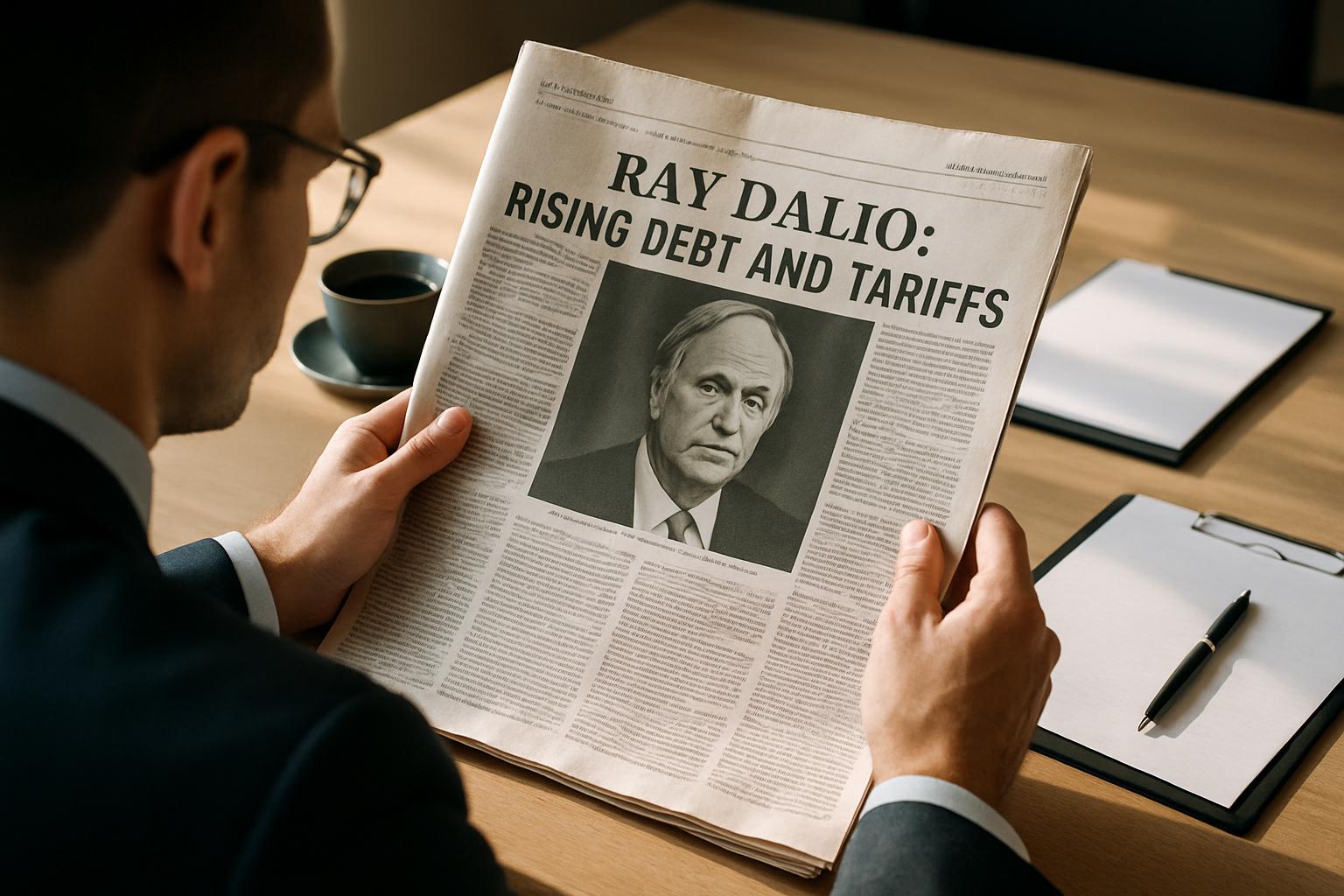
Additionally, April treasury volatility offers a fresh case study for stress transmission. In contrast, some experts see a manageable Bubble rather than systemic collapse. Readers will find actionable insights and certification resources to deepen strategic readiness.
Ray Dalio Warning Signs
The April 13 Meet the Press appearance amplified Dalio’s concerns. He argued tariffs are “very disruptive” and echo 1971 monetary shocks. Moreover, he pressed Congress to slash the deficit near three percent of GDP.
Ray Dalio predicted a supply-demand imbalance for Treasuries without fiscal restraint. Consequently, funding costs could spike, triggering credit contraction across sectors. He warned this failure chain might surpass ordinary recessions.
Dalio’s warning revolves around policy choices and market psychology. Nevertheless, numbers illustrate why his voice resonates. Consequently, we now examine debt and deficit pressures.
Debt And Deficit Pressures
Federal debt surpassed 36 trillion dollars during early 2025. Meanwhile, the FY2025 shortfall neared 1.8 trillion, about 5.8 percent of GDP. Net interest costs already approach one trillion annually, squeezing discretionary budgets.
- Gross debt trajectory: CBO projects 2025-2035 debt hitting 110 percent of GDP.
- Interest as spending share: CBO expects net interest to outpace defense within decade.
- Treasury yields: 10-year notes spiked near 4.5 percent in April 2025.
- Ray Dalio deficit target: three percent of GDP.
Ray Dalio states these numbers constrain policy flexibility during shocks. Moreover, large auctions risk colliding with weakening demand at higher rates.
Rising debt lowers fiscal headroom and feeds investor anxiety. Therefore, market reactions deserve close attention. Subsequently, tariff policy became a live stress test.
Tariffs And Market Stress
April tariff headlines coincided with abrupt selling across Treasury futures. Capital Spectator data showed intraday yield leaps of 20 basis points. Consequently, swap spreads widened, flagging declining liquidity.
Ray Dalio linked such spikes to investor doubts about Washington’s direction. Additionally, higher tariffs pushed import prices up, complicating Federal Reserve targets. In contrast, some analysts framed the move as a temporary Bubble unwind.
Market stress demonstrated how policy shocks can translate into financing strain. Nevertheless, past crises provide crucial perspective. Consequently, we revisit Dalio’s Perfect Storm concept next.
Historical Perfect Storm Context
Dalio first deployed the Perfect Storm metaphor in 2022. He combined debt overload, political conflict, and external shocks into one framework. Moreover, he compared today’s setup with the 1930s and 1971.
Ray Dalio emphasizes cyclical patterns in empires’ monetary regimes. He warns that reserve currency privilege can erode quietly before sudden shifts. Consequently, gradual de-dollarization would accelerate the Bubble burst feared by many.
The Perfect Storm idea blends macro, politics, and psychology into one scenario. Yet, not every observer shares the bleak outlook. Therefore, we assess divergent viewpoints now.
Divergent Expert Viewpoints
Several economists highlight America’s unique depth and liquidity advantages. Meanwhile, reserve-currency status still attracts global savings even under stress. They argue recent volatility resembles a valuation Bubble correction, not systemic fracture.
Ray Dalio acknowledges these strengths yet doubts their permanence amid soaring deficits. In contrast, the Congressional Budget Office states outcomes hinge on policy choices. Additionally, the Federal Reserve retains extraordinary intervention tools, if necessary.
Debate remains open, balancing alarm with pragmatism. Nevertheless, organizations still prepare contingency plans. Subsequently, we outline practical mitigation steps.
Risk Mitigation Playbook Today
Corporate treasurers diversify duration and currency exposure proactively. Moreover, pension funds stress-test portfolios against rate jumps and liquidity freezes. Asset managers also monitor geopolitical triggers that could widen spreads suddenly.
- Maintain higher cash buffers during Bubble volatility windows.
- Ray Dalio playbook: diversify duration and currency positions early.
- Engage in scenario analysis covering Perfect Storm pathways across debt, trade, and wars.
- Pursue productivity gains through AI deployment and talent upskilling.
Professionals may deepen skills through the Chief AI Officer™ certification. Consequently, strategic leaders translate macro vigilance into technology-driven resilience.
Mitigation demands data, talent, and disciplined governance. Therefore, understanding warning signals remains essential. Finally, we synthesize key lessons.
Final Thoughts And Actions
Ray Dalio continues to spotlight accumulating fiscal and geopolitical risks. Meanwhile, market data confirm sensitivity to shocks like tariffs. Insights from Ray Dalio now shape many boardroom scenarios. Additionally, institutional strengths provide buffers against outright collapse.
Consequently, readers should monitor policy shifts, Treasury liquidity, and global sentiment indexes. Explore advanced certifications, strengthen analytics, and test contingency plans now.
Start by enrolling in the Chief AI Officer™ program to future-proof leadership. Stay informed, stay prepared, and lead through uncertainty.


