

AI CERTS
2 hours ago
Ramirez memory study: Optogenetic breakthroughs and therapy hopes
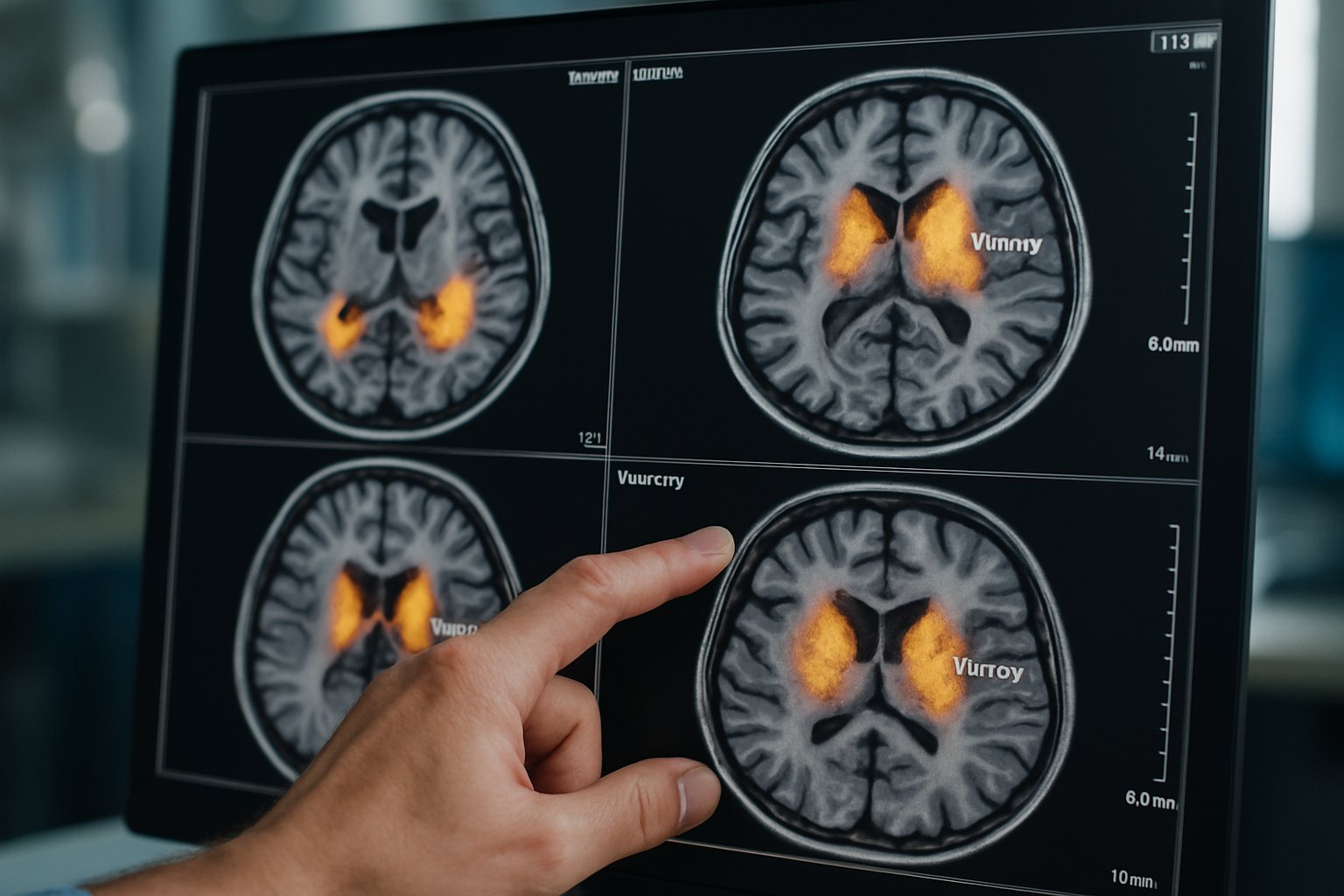
However, subsequent Nature 2015 work showed activating positive engrams could suppress depression-like behavior, hinting at future mental health therapies.
Additionally, the wider neuroscience community now debates translational paths, ethical guardrails, and commercial opportunities from this bold rewiring method.
This article unpacks the timeline, mechanics, risks, and industry significance behind these landmark investigations.
Foundations of Engram Discovery
Early hippocampal work laid the technical groundwork for the Ramirez memory study by clarifying what an engram represents biologically.
Initially, Liu and colleagues in 2012 demonstrated optogenetic recall of a fear engram, proving precise neuronal control was achievable.
Therefore, Ramirez built on that platform, tagging dentate gyrus neurons active while mice explored a safe context.
Subsequently, channelrhodopsin expression allowed later light pulses to reactivate the same cells, triggering memory recall on demand.
These foundational successes validated the strategy and inspired larger ambitions. However, generating entirely new associations required further innovation.
False Memory Creation Explained
Ramirez's team executed the famous phase of the Ramirez memory study by pairing safe-context cells with foot shocks elsewhere.
Consequently, the manipulated mice later froze when re-entering the original environment, despite never being shocked there.
The behavior indicated a synthetic fear memory, though some experts call it altered associative linkage instead.
Moreover, the experiment used clear controls: non-tagged animals, light-off conditions, and separate shock contexts to rule out confounds.
- Publication: Science 341, 387-391 (2013), DOI 10.1126/science.1239073.
- Primary metric: freezing increased from ~13% to ~40% after manipulation.
- Citation count: roughly 348 as of December 2025.
These numbers underscore robust peer interest and experimental rigor. Meanwhile, attention soon shifted toward therapeutic possibilities.
Positive Memory Therapy Potential
In 2015, the Ramirez memory study pivoted toward disorders, activating positive engrams in stressed mice to counter depressive behaviors.
Furthermore, single stimulations produced immediate tail suspension struggling, and repeated sessions yielded sustained sucrose preference and increased dentate neurogenesis.
The findings suggested circuit-level mood rewiring might complement pharmacological strategies for depression and PTSD, once delivery hurdles are solved.
Nevertheless, translation requires noninvasive tools, because human optogenetics remains technologically and ethically unready.
These data opened a therapeutic conversation that now guides venture interest. Consequently, discussions about risk management intensified.
Translational Hurdles And Ethics
Critics emphasise that all Ramirez memory study demonstrations occurred in genetically modified mice, not people.
In contrast, human memory involves complex narratives, subjective awareness, and broader cortical networks outside current engram maps.
Moreover, optogenetic fibres demand surgical implantation, limiting immediate clinical acceptance and raising infection risks.
Ethicists warn that unauthorized memory alteration threatens autonomy, legal testimony integrity, and consent boundaries.
Therefore, consensus calls for gradual progress, transparent oversight, and rigorous clinical safety trials before any PTSD interventions.
Addressing these concerns will determine public trust and investor confidence. Subsequently, industry analysts are mapping possible market paths.
Industry Impact And Applications
Biotech startups already mine the neuroscience insights from the Ramirez memory study to refine closed-loop deep brain stimulation algorithms.
Additionally, pharmaceutical firms evaluate combination approaches where circuit rewiring augments antidepressant response profiles.
Market analysts predict new PTSD therapeutics could reach multibillion valuations if noninvasive hippocampal targeting becomes clinical reality.
Key application areas include cognitive enhancement, addiction relapse prevention, and even immersive entertainment with personalised memory cues.
- PTSD fear-association dampening devices
- Mood elevation wearables informed by positive engram logic
- Memory-based adaptive learning platforms
Such concepts remain speculative yet attract sustained venture funding. Meanwhile, professionals seek skills supporting this frontier.
Skill Development Certification Opportunities
Engineers, data scientists, and clinicians need cross-disciplinary fluency to harness discoveries from the Ramirez memory study.
Furthermore, cloud proficiency now underpins scalable neural data pipelines, model training, and secure patient dashboards.
Professionals can enhance their expertise with the AI Cloud Specialist™ certification, which covers compliant deployment of neuroscience workloads.
Moreover, the program teaches latency budgeting for real-time engram analytics and integrates privacy frameworks vital for future clinical use.
Building this talent pipeline accelerates responsible innovation. Consequently, upcoming research directions appear increasingly collaborative.
Future Directions And Research
Next-generation work will refine cell-specific targeting without genetics, using molecular tags, ultrasound, or magnetothermal actuators.
Additionally, multimodal imaging will connect human cortex patterns with rodent dentate findings, bridging species gaps.
Researchers also plan controlled PTSD trials using adaptive deep brain stimulation guided by lessons from the Ramirez memory study.
Consequently, partnerships between academic neuroscience labs, device makers, and psychiatric hospitals are intensifying.
Steady progress could translate conceptual rewiring into validated clinical therapies. Nevertheless, cautious optimism remains prudent.
Steve Ramirez and colleagues transformed memory science by revealing how precise ensembles encode, distort, and heal emotional experiences.
The Ramirez memory study continues inspiring neuroscience breakthroughs, corporate investment, and ethical debate in equal measure.
Moreover, secondary findings on positive engram activation offer hopeful avenues for drug-resistant depression and PTSD sufferers.
However, significant translational hurdles persist, demanding multidisciplinary collaboration, transparent governance, and rigorous clinical validation.
Practitioners can pursue certifications, join upcoming engram trials, and drive responsible innovation around the Ramirez memory study.


