

AI CERTS
2 hours ago
ProPublica Strike: Journalists Demand AI Guardrails, Higher Wages
However, management argues that rigid AI restrictions would stifle innovation during a period of rapid technological change. Negotiators have bargained since 2023 without reaching agreement, and tensions now hover near a breaking point. Furthermore, practice pickets across four cities in February signaled operational disruption is more than hypothetical.
This article unpacks the dispute's demands, timelines, and potential consequences for the broader industry. Moreover, we examine how AI Assurances debate could redefine future collective bargaining standards. Readers will gain clear insights into the stakes shaping this groundbreaking Labor Dispute.
ProPublica Strike Threat Overview
Guild leaders announced the strike pledge on 4 February 2026 after two years of stalled bargaining. Therefore, more than 80 percent of roughly 150 journalists promised public support for a walkout. Meanwhile, a member-run GoFundMe had raised $16,600 toward a $25,000 strike fund by March.
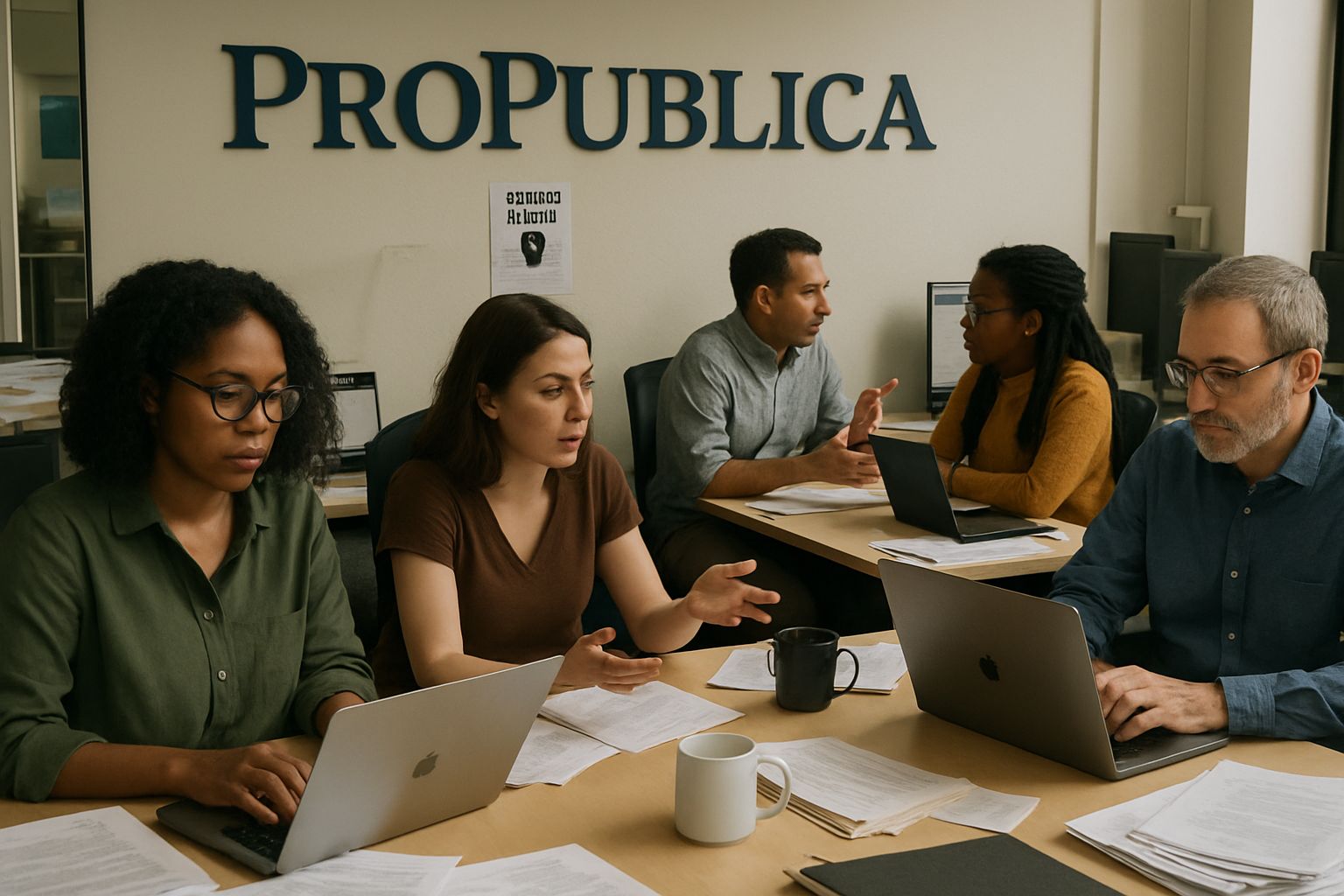
Practice pickets in New York, Washington, Austin, and Chicago demonstrated logistical preparedness. Consequently, commuters witnessed placards highlighting AI guardrails, wage floors, and just-cause protection. The visible pressure campaign accelerated media coverage and stakeholder attention.
These actions underscore collective resolve. However, the next bargaining sessions will test that momentum.
Union Demands Explained Fully
At the core lies contractual AI guardrails. Specifically, the Guild seeks notice before new tools, mandatory human oversight, and disclosure of automated content. In contrast, management prefers broad discretion to experiment and adjust quickly.
- Just-cause language preventing discipline without provable reasons and offering binding arbitration.
- Cost-of-living raises plus minimum salary floors aligned with peer investigative outlets.
- AI Assurances requiring consent, oversight, and protections against layoffs due to automation.
Additionally, the Guild views these clauses as essential to protect investigative rigor and public trust. Meanwhile, the ProPublica Strike messaging frames the package as safeguarding fearless accountability journalism.
Collectively, the package addresses job security and ethical standards. Therefore, management's counteroffers face intense scrutiny.
Management Position On AI
ProPublica management, represented by spokesman Tyson Evans, emphasizes flexibility. Evans told the Associated Press that freezing decisions in a years-long contract would hinder innovation. Moreover, leadership argues AI can streamline data triage, tip routing, and translation, freeing reporters for deeper investigations.
Consequently, management proposes severance enhancements rather than usage constraints in potential automation layoffs. In contrast, union leaders dismiss severance as insufficient compared with enforceable job protection. Meanwhile, ProPublica's participation in the Lenfest Institute AI Collaborative demonstrates active exploration of emerging tools. Nevertheless, management maintains the ProPublica Strike threat is premature given ongoing talks.
Management hopes collaboration yields competitive advantages. Nevertheless, Guild skepticism toward experimentation persists.
Industry Stakes And Precedent
Observers describe the ProPublica Strike as a bellwether for journalism's AI governance. Alex Mahadevan of the Poynter Institute noted the moment feels monumental. Furthermore, dozens of unionized outlets revisit their own AI Assurances language as they monitor negotiations.
Consequently, a successful contract could accelerate similar demands across the industry. Meanwhile, management victories here would provide cover for employers resisting restrictive clauses.
- Template language for AI disclosure could standardize across Newsroom contracts.
- Salary benchmarks may shift upward if wage floors rise.
- Labor Dispute tactics like coordinated practice pickets could proliferate.
- The ProPublica Strike could inspire formal AI referendums in other unions.
Moreover, academic researchers tracking media automation plan to analyze any final text for replicability.
The stakes reach far beyond one outlet. Therefore, negotiations attract widespread attention.
Timeline Of Key Events
Understanding the chronology clarifies escalation pace.
- Aug 2023: ProPublica recognized the Guild, launching first-contract talks.
- May 2025: Outlet joined Lenfest Institute AI initiative.
- Dec 2025: Members created strike fund on GoFundMe.
- Feb 4 2026: Strike pledge surpassed 80 percent support.
- Feb 17–22 2026: Practice pickets unfolded across four cities.
- March 2026: Formal ProPublica Strike authorization vote anticipated.
Subsequently, bargaining sessions resumed yet produced limited movement. Consequently, union leaders threaten a formal authorization vote within weeks.
The timeline reveals accelerating pressure. In contrast, management voices patience and optimism.
Potential Outcomes And Impact
Multiple ProPublica Strike scenarios now loom. One possibility involves a swift tentative agreement that codifies limited AI Assurances while granting wage increases. Alternatively, a strike could halt award-winning investigations and delay major exposés.
Moreover, a prolonged shutdown might invite philanthropists or technology partners to intervene financially. Consequently, donor confidence could suffer if governance questions remain unanswered. Meanwhile, other Newsroom unions will likely calibrate strategies based on whichever side prevails.
Professionals can enhance their expertise with the AI Ethics Professional™ certification, strengthening negotiation literacy around technological change.
Each scenario carries serious operational and reputational stakes. Consequently, both parties weigh trade-offs carefully.
Conclusion And Next Steps
The ProPublica Strike debate spotlights tensions between innovation and worker security. Regardless of outcome, contract language forged here will influence future Labor Dispute strategies across media. Moreover, the confrontation forces every Newsroom to articulate clear AI Assurances before deploying automated tools. Consequently, stakeholders should monitor upcoming bargaining dates and authorization votes. Industry professionals can prepare by reviewing ethical standards and pursuing specialized credentials.
Consider enrolling in the linked AI Ethics certification to stay ahead of governance debates. Additionally, subscribing to labor trackers ensures timely alerts on strike outcomes and contract releases. Ultimately, proactive learning positions leaders to navigate the fast-evolving intersection of technology and labor. Stay informed about the ProPublica Strike developments and equip yourself for upcoming negotiations.


