

AI CERTS
1 hour ago
Prompt Engineering for Claude Sliders
Readers will gain a concise view of MCP Apps and the surrounding ecosystem. Moreover, actionable steps guide developers toward building safe slider widgets inside Claude. Finally, we link a certification that deepens Prompt Engineering expertise for modern AI projects.
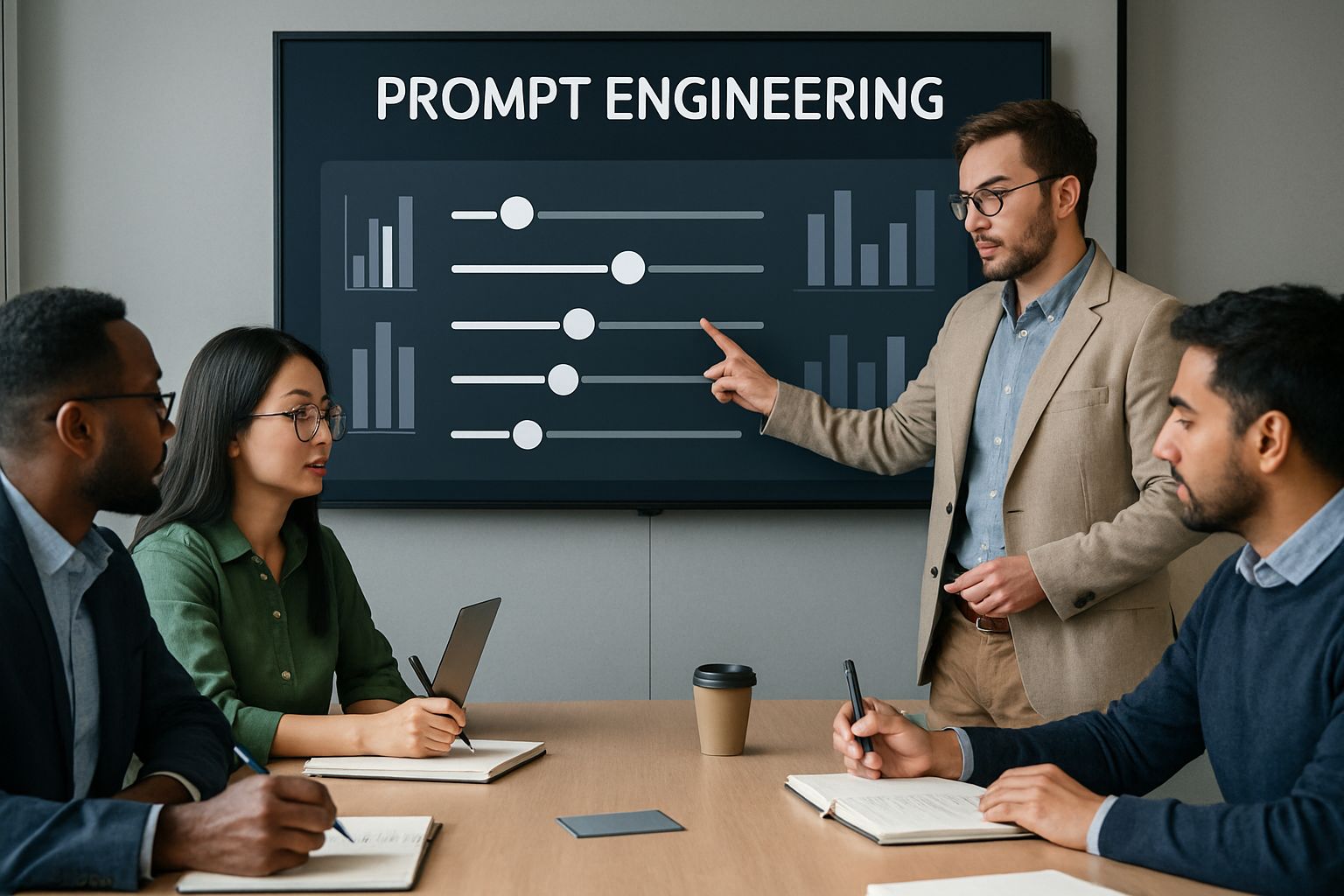
In contrast with earlier static responses, Claude now returns live UIs that react to every click. Therefore, teams must refine Prompt Engineering patterns to leverage context updates arriving from user interactions. Subsequently, each section builds practical knowledge you can apply immediately.
Claude Connectors Quick Overview
Claude’s interactive connectors launched on January 26, 2026, alongside the MCP Apps extension. The rollout covered web and desktop clients across Free, Pro, Max, Team, and Enterprise plans. Meanwhile, mobile support remains forthcoming. Users can now summon Asana, Figma, Hex, and other workspaces directly inside the conversation. Consequently, context switching drops and productivity rises.
Each connector relies on MCP Apps to send a ui:// resource that the client renders sandboxed. Subsequently, any slider widget embedded there updates state through JSON-RPC messages. Therefore, the model perceives changes and can regenerate answers accordingly. Real-time feedback feels smooth, even on large data sets. Visualization quality depends, however, on the tool’s original design and the host browser.
In sum, interactive connectors reframe Claude as an operating layer for daily tasks. However, deeper technical details warrant further inspection, which the next section provides.
Interactive Slider Use Cases
Sliders appear trivial, yet they unlock powerful workflows inside Claude. For example, a marketing analyst can drag a range slider to filter campaign spend over quarters. Consequently, the Visualization updates instantly and the agent recomputes ROI suggestions. Another scenario involves product teams tweaking design variables within a Figma embed. Therefore, rapid iteration happens without tab hopping.
Real-time scientific dashboards also benefit. Data specialists can slide a threshold and watch anomaly alerts adjust live. Additionally, educational content gains interactivity when students modify physics constants during a lesson. Prompt Engineering patterns must capture those slider values to influence subsequent reasoning. Subsequently, Claude can explain the changed outcome with context.
Use cases thus span analytics, design, education, and operations. Nevertheless, underlying standards dictate whether these experiences stay stable. The following section dissects those standards.
Standards Powering MCP Apps
MCP Apps form the technical backbone for every interactive connector. The extension defines how tools return HTML, CSS, and JavaScript bundles through a secure manifest. Moreover, clients place that bundle inside a sandboxed iframe to isolate risk. Communication flows over JSON-RPC, enabling live state sharing between UI and model. Consequently, every slider movement becomes a structured event the agent can consume.
The standard also includes explicit security hooks such as user consent prompts. Nevertheless, researchers warned that default deployments might expose open MCP servers. Therefore, enterprises should audit firewall rules and domain whitelists before production rollout. Prompt Engineering strategies must respect those governance controls while requesting connector activation.
Robust standards underpin reliable experiences. However, misconfigurations create vulnerabilities, a topic the next section tackles.
Security And Governance Risks
Interactive connectors concentrate sensitive workflows inside one conversational surface. In contrast, prior tool chains dispersed that exposure across several applications. GitHub issues highlight phishing-style UI calls and improperly configured public MCP endpoints. Furthermore, preview builds of some clients once rendered unsafe resource references. Consequently, admins must enforce strict directory vetting and granular permission prompts.
- Enable content security policy headers for every MCP server.
- Require user confirmation before unknown connector loads.
- Log all session events for audit review.
Additionally, Prompt Engineering scripts should sanitize slider inputs to prevent injection attacks. Nevertheless, even perfect code cannot replace sound organizational policy. Therefore, security teams must partner with product owners during every iteration.
These risks demand vigilance across technical and managerial layers. Subsequently, our focus shifts to best development practices.
Prompt Engineering Best Practices
Effective Prompt Engineering maximizes connector value while keeping Claude responses coherent. First, always reference the slider variable name explicitly within the prompt. Moreover, include boundary conditions so the model respects allowed ranges. Live feedback improves when the prompt states desired update frequency. Consequently, Claude stops flooding the UI with unnecessary refresh calls.
Second, supply display hints for Visualization style such as chart type or color palette. Additionally, tie those hints to the business metric for stronger analytic storytelling. Third, declare user intent regarding Beta features to avoid unstable components. Prompt Engineering language like ‘beta_ok: true’ signals acceptance in a traceable manner. Nevertheless, consider fallback instructions if the experimental component fails loading.
Following these practices safeguards both user trust and system reliability. The roadmap section now explores upcoming improvements.
Future Roadmap And Adoption
Anthropic plans to extend connectors to mobile and Cowork clients during mid-2026. Furthermore, Salesforce integration remains the most requested addition and is marked coming soon. MCP maintainers also propose a Beta spec for offline cache and push notifications. Consequently, engineers must prepare for expanded event volumes. Prompt Engineering templates should reference expected bandwidth to avoid throttling.
Cross-client parity remains another challenge. In contrast, early tests show identical chart output in Claude and VS Code insiders. Moreover, ChatGPT support is rolling out gradually. Consequently, developers should validate each MCP App across at least two clients.
Roadmap signals point toward a richer, more portable ecosystem. Therefore, professional upskilling becomes prudent, as the final section outlines.
Certification Upgrades For Professionals
Hands-on skills matter most when organizations adopt emerging standards. Consequently, developers should pursue credentials aligned with Prompt Engineering discipline. Professionals can enhance their expertise with the AI Prompt Engineer™ certification. Moreover, the course covers dashboard design, Real-time data binding, and Beta testing guidelines. Therefore, graduates exit ready to architect secure, interactive MCP Apps from day one.
Certification validates capability and accelerates career mobility. Subsequently, we close with final reflections and action items.
Claude’s interactive slider tools represent a decisive shift toward immersive AI workspaces. Anthropic and MCP have provided the framework, yet enterprises must supply disciplined governance. Moreover, live collaboration and Visualization richness rely on well-crafted prompts and robust standards. Beta features add innovation yet demand cautious testing. Consequently, Prompt Engineering emerges as the central skill binding these threads.
Therefore, seize the moment and refine your expertise today. Enroll in the linked certification, build a sample MCP App, and start shipping interactive experiences. Subsequently, your teams will deliver faster insights and richer customer value. The future of chat-centric workspaces is waiting; act now.


