

AI CERTS
2 hours ago
Proactive Health Intelligence Copilots Redefine Healthcare
Early pilots hint at time savings and lower burnout, yet safety, privacy, and reimbursement questions linger. This article unpacks the fast-evolving landscape, key evidence, and strategic moves for decision-makers.
Market Momentum Rapidly Accelerates
Funding and product launches have surged. Moreover, MarketsandMarkets expects the virtual medical Assistant sector to balloon from $1.86 billion in 2025 to $8.85 billion by 2030, reflecting 36.6% CAGR. Microsoft’s Dragon Copilot debuted in March 2025, unifying dictation, ambient listening, and large-language models. Nabla quickly followed, raising $70 million for “agentic” EHR actions, with deployments in 130 organizations and 20 million encounters yearly.
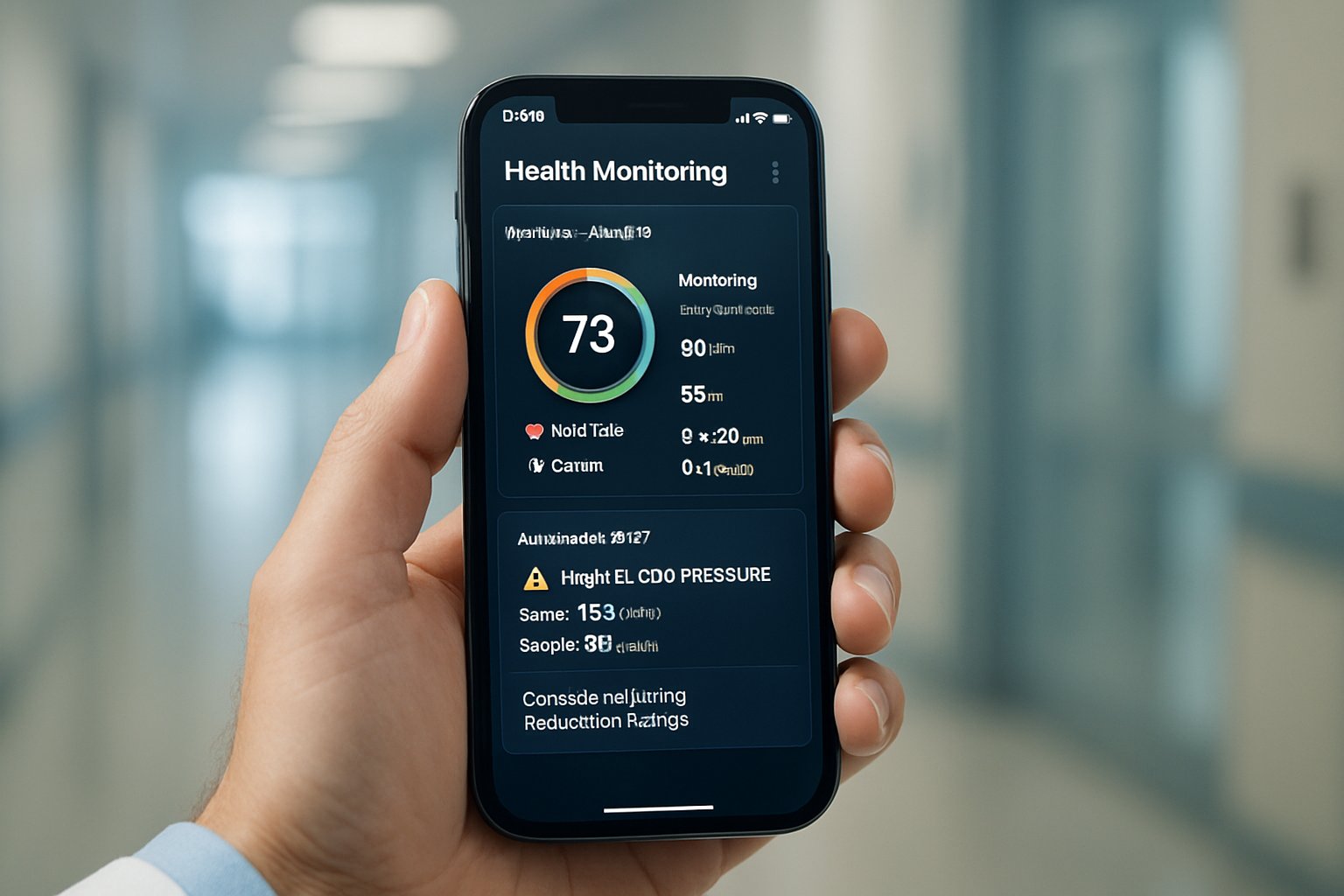
- Microsoft reports millions of ambient conversations already processed.
- Mount Sinai plans systemwide rollout by late 2026.
- Start-ups such as Copilot Health, Aiva, and Tera target niche voice workflows.
These figures confirm robust investor confidence. However, commercialization still depends on measurable returns across diverse settings.
Rapid growth signals opportunity. Nevertheless, buyers must weigh evidence before scaling.
Clinician Workflow Burden Relief
Documentation remains a prime pain point. JAMIA Open recorded 2.8 minutes saved per pediatric visit, translating to 2,100 hours yearly. Furthermore, a multicenter JAMA study linked ambient scribes with reduced cognitive load and lower burnout indices. Mount Sinai’s chief medical officer declared, “We harness this technology responsibly — not to replace human judgment, but to empower it.”
Dragon Copilot summarizes visits, suggests orders, and pushes structured data into the record. Similarly, Nabla’s Assistant drafts notes and can trigger limited EHR actions after verification. Consequently, clinicians reclaim evening hours traditionally lost to “pajama time.”
Improved workflows elevate staff morale. Therefore, leadership interest continues climbing despite tight margins.
Consumer Health Companion Expansion
Voice and chat companions extend Proactive Health Intelligence beyond clinic walls. Ava from Copilot Health offers medication reminders, symptom triage, and appointment summaries. Additionally, Aiva’s Nurse Assistant routes bedside voice requests, claiming 55% less incidental overtime and higher satisfaction scores.
Consumers appreciate always-on guidance. In contrast, ethicists warn that chatbots might blur lines between education and diagnosis. Microsoft urges users to treat Copilot outputs as informational, not prescriptive, echoing broader industry disclaimers.
Patient engagement rises with convenient tools. Yet, clear disclaimers remain essential, especially for chronic disease support.
Risks Demand Strong Guardrails
LLMs still hallucinate. Moreover, agentic features that insert orders heighten safety stakes. Privacy advocates flag continuous audio capture, requiring explicit consent and encrypted storage. Peer reviewers continue calling for larger, longer studies to track real-world harm events.
Vendor transparency varies. Consequently, health systems increasingly request audit logs, shared model-drift metrics, and external red-team reports. Responsible design now forms a competitive differentiator, not a compliance afterthought.
Risk awareness shapes procurement. However, aligned policy frameworks could streamline adoption.
Regulation And Reimbursement Landscape
Regulators refine AI Software-as-a-Medical-Device rules, stressing human oversight for high-impact actions. Meanwhile, US payers evaluate CPT codes that might reimburse ambient note generation. Europe explores post-market surveillance registries for clinical AI incidents. Therefore, early alignment with authorities reduces future rewrites and delays.
Progressive policy signals may unlock new revenue channels. Nevertheless, uncertainty persists until formal guidance arrives.
Strategic Adoption Playbook Steps
Executives can follow a staged roadmap:
- Pilot narrow use cases with clear metrics.
- Validate outputs against gold-standard notes.
- Train users on prompt discipline and review checkpoints.
- Embed privacy, bias, and fail-safe testing in procurement contracts.
- Scale only after governance boards review longitudinal data.
Furthermore, workforce upskilling remains crucial. Professionals can deepen ethical fluency through the AI Ethics certification, boosting organizational readiness. Proactive Health Intelligence programs thrive when teams understand model limits and mitigation tactics.
Structured rollout mitigates surprise failures. Consequently, organizations sustain trust while capturing return on investment.
Conclusion And Future Outlook
Proactive Health Intelligence copilots are shifting from experimental tools to core workflow engines. Evidence shows promising time savings, enhanced Wellness, and market momentum. Moreover, emerging regulations and certifications foster safer deployments. Nevertheless, unresolved accuracy and privacy issues warrant vigilant oversight.
Leaders should launch controlled pilots, refine governance, and cultivate ethical skills. Consequently, early movers will shape standards and capture outsized value. Explore training options today and position your teams for the next generation of intelligent care.


