

AI CERTS
2 hours ago
Privacy Backlash: Meta’s AI Scraping and Covert Pixel Under Fire
Moreover, legal threats, fines, and code fixes continue to stack up. This article unpacks the timeline, techniques, and implications for enterprises relying on Meta channels. Additionally, we outline practical steps professionals can adopt before new rules land. Stay informed, because strategic decisions will hinge on how this saga resolves.
AI Scraping Storm Unfolds
Meta announced in April 2025 its plan to harvest public Facebook and Instagram posts for AI Training. The material would feed generative systems unless each user completed an objection form. However, the opt-out window closed on 27 May 2025, only weeks after disclosure. Advocacy group noyb quickly issued cease-and-desist letters, calling the scheme illegal under GDPR. Max Schrems argued, “Meta prioritises profit over rights,” amplifying the Privacy Backlash narrative. Irish Data Protection Commission intervened on 21 May, demanding clearer notices and an easier objection flow. Moreover, the DPC ordered an evaluation report due in October 2025 to monitor safeguards.
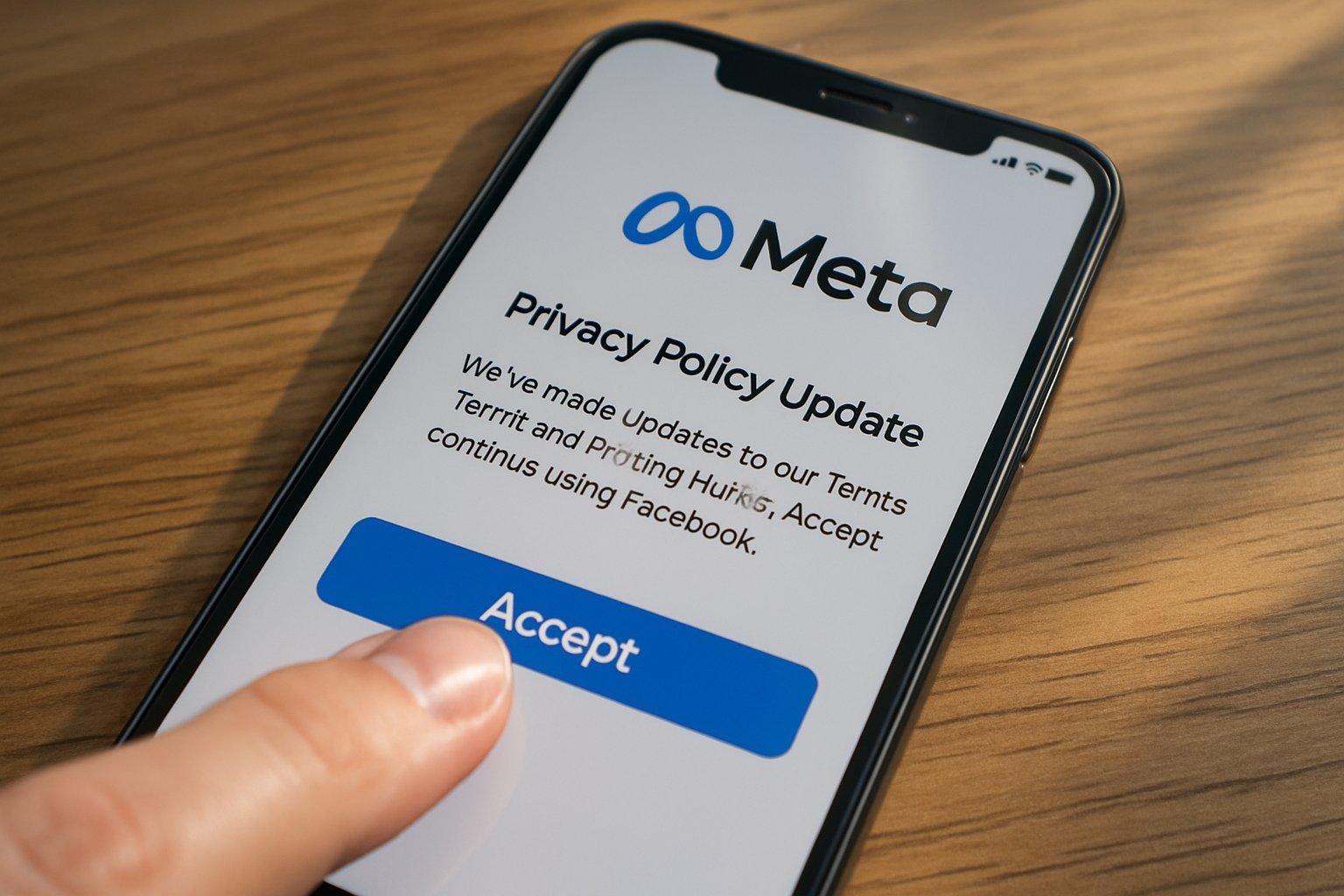
- Approximately 263.6 million EU Facebook monthly users affected.
- Opt-out form available for adults only.
- Updated notices published across 24 languages.
- Report on safeguards expected October 2025.
These numbers underscore why privacy advocates demanded an opt-in model. Consequently, enterprises relying on social engagement must track evolving consent requirements diligently. Meta’s Training ambition triggered immediate regulatory pushback. The short opt-out window intensified user frustration, deepening the Privacy Backlash. Next, we examine how hidden code magnified concerns.
Opt-Out Fury Timeline Saga
April 15: Meta privately briefed regulators about the content ingestion plan. May 14: noyb published its legal threat within hours of the public blog post. On 21 May, DPC issued conditional approval paired with mandatory safeguards. May 27: Data began flowing into internal pipelines, according to company insiders. Subsequently, Meta added deletion filters for minors, sensitive Data, and private messages.
Covert Pixel Exposure Revealed
While critics focused on scraping, researchers uncovered a second surprise on 3 June 2025. The LocalMess team revealed that Meta Pixel sent the _fbp cookie to localhost ports on Android. Consequently, Facebook or Instagram apps listening locally could match web visits with logged-in identities. This loopback trick bypassed incognito mode, cookie deletion, and most browser protections.
Moreover, the study found the tactic on 17,223 popular sites, a staggering footprint. Researchers measured UDP traffic across ports 12580–12585 using WebRTC to transfer identifiers. Meta removed the localhost code within days of disclosure, acknowledging the unintended linkage risk. Nevertheless, lawmakers cited the episode as further evidence of systematic consent failures.
Key technical facts appear below:
- Pixel present on 25% of top million sites.
- Localhost calls observed on 17,223 sampled domains.
- Technique active until 3 June 2025 disclosure.
These findings intensified the Privacy Backlash already facing Meta. Therefore, security teams should audit embedded analytics scripts immediately. The covert channel linked browsing details to personal profiles. Rapid code removal trimmed risks but not reputational damage. Regulatory reactions soon followed.
Android Loopback Tracking Technique
Localhost is the device’s internal address, normally unreachable from external networks. In contrast, mobile browsers can still request that address because it resides on the same phone. The Pixel exploited this quirk, sending identifiers through a WebRTC STUN request. Meanwhile, the Facebook app listened on matching ports and captured the packet. Subsequently, the app combined cookie Data with account credentials, achieving cross-context tracking. Google engineers proposed blocking such traffic by default in an upcoming Android patch. Developers embedding analytics tags should monitor these platform changes closely.
Regulators Increase Pressure Rapidly
The Irish DPC remains Meta’s lead supervisory authority in Europe. On 21 May 2025 it demanded transparency notices, opt-out simplicity, and October reporting. Moreover, failure could trigger interim processing bans under GDPR Article 58. The European Commission signaled similar resolve by fining Meta €200 million on 23 April 2025. Although the fine concerned advertising consent, officials linked patterns across cases. Consequently, analysts expect stricter interpretations of legitimate-interest claims for AI Training. National consumer groups have also filed draft class actions referencing the localhost discovery. Meanwhile, Canadian plaintiffs allege damages from covert cross-device profiling.
Regulatory momentum shows no sign of slowing. More penalties may arrive if Meta misses promised safeguards, deepening the Privacy Backlash. Industry stakeholders must gauge the operational fallout next.
Fines And Future Audits
Audits will examine whether deleted Data truly vanished from Training pipelines. Therefore, organizations partnering with Meta should demand contractual assurances and audit rights. DPC officers will publish October findings, creating another headline point. Consequently, compliance teams should calendar that date now.
Industry Responses And Risks
Enterprise marketers value Meta reach yet fear sudden compliance liabilities. Some have paused new campaigns until clarity emerges. Others adopt stricter tagging policies, removing Pixel scripts from sensitive pages. Moreover, security leaders deploy network rules that block localhost traffic from browser contexts. Tool vendors already advertise scanners that detect hidden WebRTC Data flows.
Consequently, the Privacy Backlash also drives a mini market for defensive products. Instagram advertisers face similar uncertainty over audience targeting precision. Professional growth remains possible despite turbulence. Practitioners can upskill via the AI Prompt Engineer™ certification. Additionally, compliance officers should request periodic pixel code reviews from suppliers.
Market actors are already adapting tools and talent strategies. However, reputational risk persists as the Privacy Backlash dominates headlines. Users also seek remedies, which we explore next.
User Options Moving Forward
Individuals can still object to AI Training by submitting Meta’s online form. In contrast, no self-service tool prevents the localhost technique because it is disabled server-side. Nevertheless, users should clear Pixel cookies, review third-party app permissions, and enable enhanced tracking protection. Furthermore, privacy extensions that block WebRTC can add another safety layer. Consumer groups continue to publish guides explaining these steps in plain language.
Users possess limited yet meaningful control levers. Consequently, informed action can ease personal worries amid the Privacy Backlash. We close with strategic conclusions.
Meta’s tumultuous year spotlights how quickly novel Data uses trigger scrutiny. Both AI Training and localhost tracking bypassed clear, proactive consent mechanisms. Therefore, regulators, researchers, and consumers united under a growing Privacy Backlash. Enterprises must map Data flows, demand transparency, and monitor regulatory dockets weekly. Meanwhile, developers should test analytics tags against upcoming browser and Android patches.
Professionals who build robust compliance programs will shield brand equity and maintain customer trust. Ignoring the Privacy Backlash now could expose firms to costly investigations later. Additionally, career advancement awaits those mastering responsible AI through specialized credentials. Consider pursuing the AI Prompt Engineer™ certification to stay ahead. Act now, because the next enforcement wave will arrive faster than expected.


