

AI CERTs
6 hours ago
Predictive Inventory Optimizers Transform Retail Cost Structures
Retail inventory misalignment wastes capital and disappoints shoppers. However, advanced algorithms are rewriting that story. Predictive Inventory Optimizers integrate machine learning demand sensing with multi-echelon modeling to right-size stock across networks. Consequently, retailers see fewer empty shelves and lower carrying costs.
Global stakes are enormous. IHL Group pegs 2023 inventory distortion at $1.77 trillion. Moreover, McKinsey studies show AI can cut inventories 20–30 percent while improving fill rates up to 35 percent. These numbers attract executives chasing Supply Chain Efficiency and resilience. Subsequently, boardrooms are authorizing fresh Retail Trials to validate returns quickly. Meanwhile, vendors rush new releases with generative assistants that amplify planner productivity. Therefore, understanding opportunities and pitfalls becomes mission critical for forward-thinking retailers.
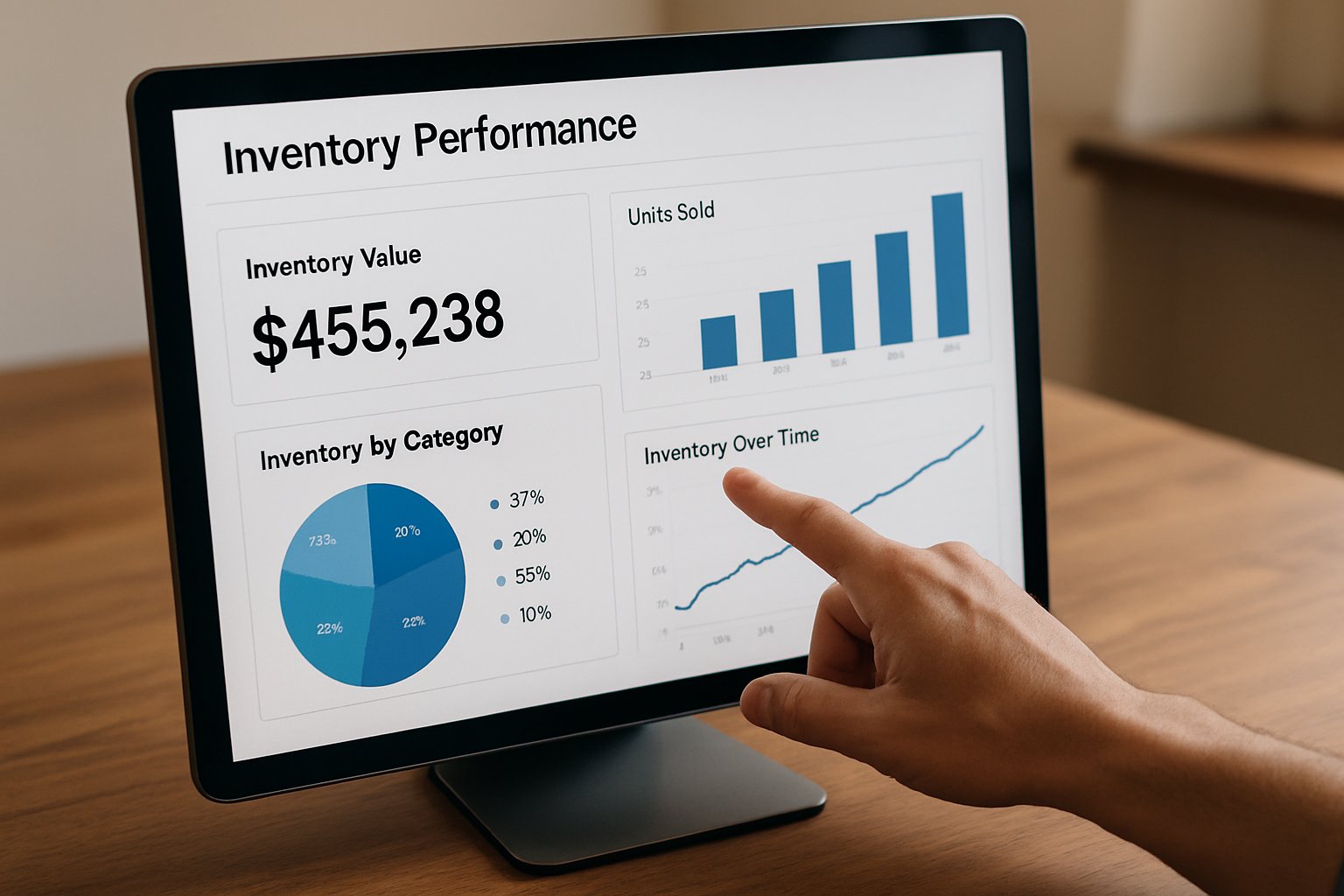
Retail Inventory Problem Scale
Analysts agree the baseline crisis remains vast. However, misaligned inventory drains working capital and triggers emergency freight. McKinsey estimates typical distributors hold 20 percent excess stock. In contrast, chronic out-of-stocks erase sales and damage loyalty.
Furthermore, each percentage point of avoidable inventory locks millions in cash for large chains. Consequently, leadership teams pursue Supply Chain Efficiency as a direct lever on margins. Predictive Inventory Optimizers promise simultaneous cost and service gains, an attractive dual benefit.
- IHL Group: $1.77 trillion 2023 inventory distortion.
- McKinsey: 20–30 percent potential inventory reduction.
- Forecast accuracy improvements 20–50 percent versus legacy models.
- Typical payback ranges months to two years.
These figures underscore why momentum accelerates. Nevertheless, precise savings depend on data readiness and process maturity. The next section explains how the technology actually works.
Core Technology Underpinnings Explained
At the heart sits advanced forecasting. Moreover, machine learning digests POS scans, weather feeds, and promotions in near real time. Demand sensing corrects short-term swings faster than legacy statistical models.
Subsequently, multi-echelon algorithms decide where to place safety stock across suppliers, distribution centers, and stores. These engines test thousands of scenarios within minutes. Predictive Inventory Optimizers then recommend optimal reorder points that minimize total cost while meeting service targets.
Generative assistants add conversational analysis. Therefore, planners ask for alternative shipment strategies and receive explainable answers instantly. Many vendors, including Blue Yonder and RELEX, embed such helpers in 2025 releases.
Integration seals value. Consequently, APIs push recommendations into ERP, WMS, and transport systems without manual re-entry. Supply Chain Efficiency rises because planners focus on exceptions rather than routine orders.
These mechanics convert data into executable actions. However, results only matter when retailers see measurable outcomes, which recent Retail Trials begin to reveal.
Documented Retail Outcomes Today
Real-world evidence now moves beyond vendor slides. For example, RELEX helped Porta boost availability above 96 percent and cut inventory nearly 10 percent.
Additionally, Plantasjen shrank in-store inventory 32 percent while lifting central service levels 10 percent. Blue Yonder models suggest potential five-fold ROI over three years.
Moreover, McKinsey pilots report 5–8 percent fill-rate gains and 20–30 percent inventory reductions across multiple sectors. These gains translate directly into Supply Chain Efficiency improvements.
- Porta: availability above 96 percent, inventory down 9.8 percent.
- Plantasjen: in-store inventory down 32 percent, service level up 10 percent.
- Blue Yonder model: 25 percent stockout reduction, 524 percent ROI projection.
Consequently, Predictive Inventory Optimizers demonstrate compelling payback, often within months. Yet, scaling lessons remain critical, as the next section describes.
Implementation Best Practice Guide
Successful Retail Trials often start small. However, leaders pick high-velocity SKUs and define clear KPIs before code deployment.
Subsequently, teams secure clean master data, including lead times and hierarchy mappings. Predictive Inventory Optimizers rely on trustworthy inputs, so cleansing becomes non-negotiable.
Furthermore, cross-functional governance ensures planners believe model outputs. Workshops explain algorithm logic and outline override protocols.
Professionals can enhance their expertise with the AI Developer™ certification. Consequently, certified staff accelerate advanced configuration and experimentation.
Finally, early wins should fund expansion. Therefore, reinvest savings to automate additional categories and nodes.
Disciplined execution protects ROI. Nevertheless, ignoring potential risks can stall momentum, as detailed next.
Key Risks And Caveats
Every technology wave carries pitfalls. In contrast, poor data quality can misguide reorder logic and inflate inventory.
Moreover, overstated vendor claims sometimes set unrealistic boardroom expectations. Independent audits remain essential before crediting projected savings.
Additionally, opaque models may hinder regulatory compliance. Predictive Inventory Optimizers should log decisions and support explainability dashboards.
Talent gaps create further friction. However, training programs and clear accountability frameworks mitigate resistance.
Addressing these issues safeguards gains. Subsequently, executives must look ahead to upcoming innovations.
Emerging Future Outlook Trends
Generative planning copilots are evolving quickly. Furthermore, vendors pledge autonomous purchase order execution within guarded controls.
Meanwhile, edge computing and IoT signals will push demand sensing even closer to real time. Predictive Inventory Optimizers will ingest these feeds and refine forecasts hourly.
Additionally, sustainability metrics may join the optimization objective function, balancing carbon, cost, and service.
Therefore, retailers that master data foundations now will capture outsized advantages later. Supply Chain Efficiency will become a competitive moat.
The roadmap remains dynamic. Nevertheless, disciplined adoption positions companies to thrive amid volatility.
Strategic Takeaways Action Plan
Predictive Inventory Optimizers have moved from hype to operational reality across retail networks. Moreover, documented savings and service gains justify investment. However, value depends on disciplined pilots, clean data, and skilled teams.
Consequently, leaders should benchmark baseline metrics, pursue quick Retail Trials, and build governance for sustained Supply Chain Efficiency. Additionally, certifications like the earlier AI Developer™ program help staff unlock advanced capabilities. Nevertheless, selecting the right Predictive Inventory Optimizers requires rigorous vendor evaluation.
Therefore, organizations that embed Predictive Inventory Optimizers across planning layers release working capital, delight shoppers, and defend margins. Finally, readers can deepen expertise through linked resources and certification courses.


