

AI CERTs
2 months ago
Predictive Demand Sensing Models Reshape Retail Inventory
Retail executives face unprecedented swings in consumer demand and supply shocks. Traditional forecasting engines often react too slowly, leaving shelves empty or stockrooms overflowing. Consequently, forward-looking chains are deploying predictive demand sensing models that update forecasts hourly using real-time signals. These signals include POS data, weather feeds, local events, and promotion schedules. Moreover, early adopters report double-digit forecast improvements, lower safety stock, and tighter SKU optimization. McKinsey research shows inventory reductions reaching 20% when near-term sensing links into replenishment decisions. Therefore, market momentum is shifting from pilots toward enterprise rollouts across grocery, furniture, and apparel sectors. This article explores technology foundations, benefits, risks, and vendor dynamics shaping the next generation of inventory planning. Meanwhile, planners will gain actionable checklists to launch scalable programs quickly.
Rapid Market Shift Accelerates
Global demand-planning software now exceeds USD eleven billion and grows at double-digit rates. Grand View Research forecasts sustained expansion through 2033 as retailers chase resilience. Moreover, predictive demand sensing models represent the fastest climbing segment within that portfolio. Analysts attribute momentum to increasing demand volatility, compressed lead times, and omnichannel consumption.
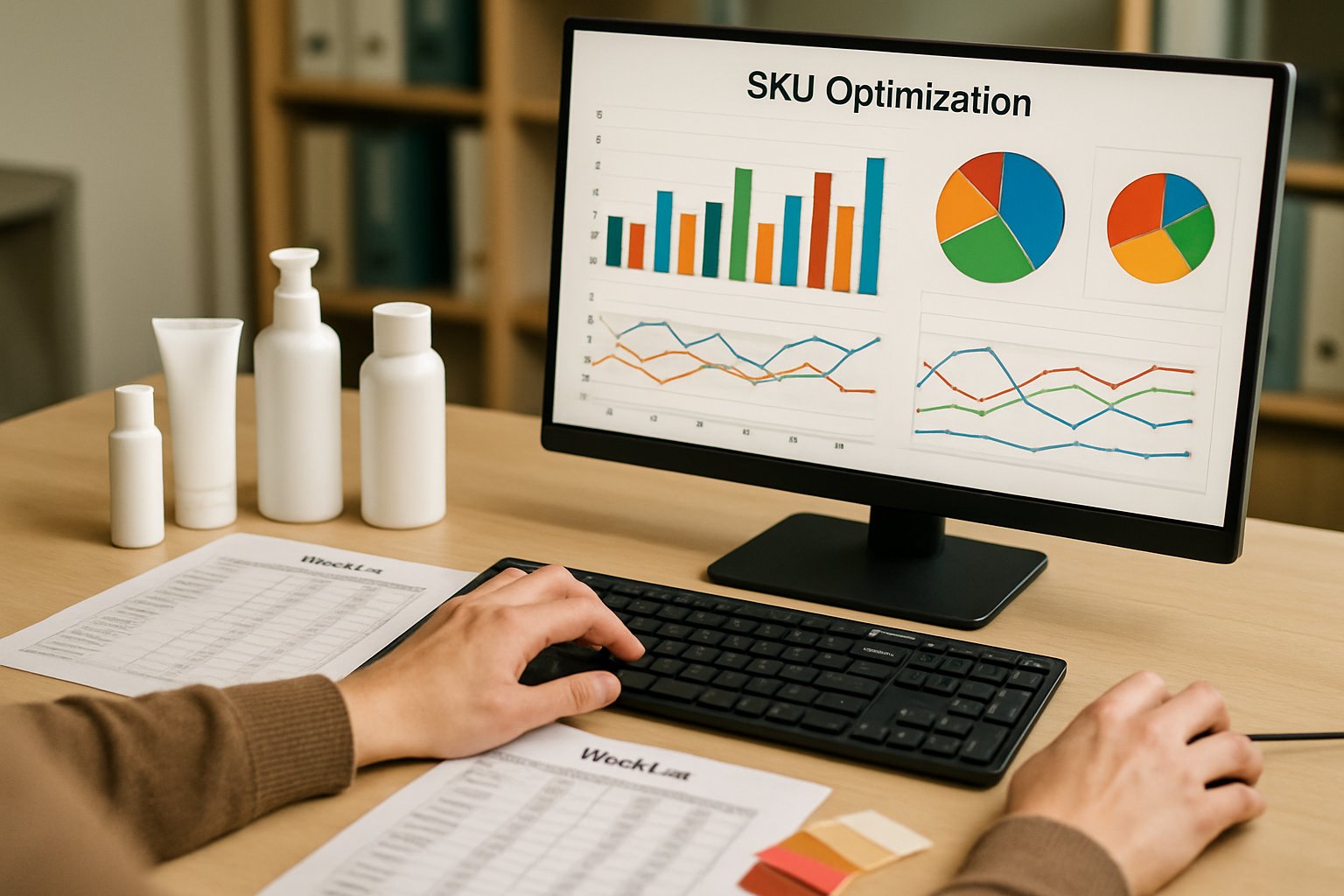
Consequently, analyst value matrices now highlight Blue Yonder, RELEX, Kinaxis, and e2open as front runners. These vendors embed sensing alongside replenishment, transportation, and multi-echelon inventory engines. In contrast, point solutions without integrated execution workflows lose ground in large RFPs.
The market is scaling quickly, driven by measurable ROI and strategic urgency. Competitive positioning now favors platforms offering end-to-end visibility. With the landscape set, we next unpack how demand sensing actually works.
Demand Sensing Concept Explained
Demand sensing focuses on daily or hourly horizons rather than monthly S&OP windows. Furthermore, it ingests high-frequency signals such as POS scans, web orders, weather APIs, and event calendars. Ensemble algorithms decompose base demand, promotional lift, and causal impacts tied to demand volatility.
Subsequently, forecasts feed replenishment engines that generate store and DC orders automatically. Crucially, predictive demand sensing models harmonize demand and inventory views, preventing stockouts from contaminating learning.
Demand sensing augments, rather than replaces, long-range planning. Automated updates empower planners to act on near-term realities. Understanding benefits requires examining real retailer outcomes.
Tangible Retailer Benefit Gains
Retailers deploying predictive demand sensing models consistently reference three headline improvements. First, McKinsey cites SKU-level forecast accuracy gains of up to twelve percent. Second, safety stock drops between six and twenty percent while service levels hold steady.
- Forecast error reduction enables precise SKU optimization across high-velocity categories.
- Spoilage cuts by forty-nine percent reported in fresh food deployments.
- Improved promotion tracking mitigates demand volatility during holiday peaks.
IKEA recorded five percent forecast gains in Portugal after scaling a Blue Yonder program. Meanwhile, RELEX grocery customers disclosed average inventory cost reductions near twenty percent.
These metrics translate into working capital relief and happier shoppers. Automation further frees planners for exception handling and strategic analysis. Retailers planning rollouts must follow proven implementation steps.
Implementation Best Practice Steps
Successful programs start with data ingestion and cleansing. Furthermore, teams create a centralized demand signal repository covering POS, ecommerce, promotions, and on-hand balances. Next, high impact categories receive dedicated model attention, especially items with extreme demand volatility.
McKinsey recommends pairing predictive demand sensing models with multi-echelon inventory optimization to convert insights into orders. Therefore, planners should define governance rules, override thresholds, and KPI baselines before go-live.
- Catalog signals and align taxonomy.
- Test forecasts on limited SKUs and measure error to guide SKU optimization.
- Integrate outputs with ordering workflows and monitor bias weekly.
Following a structured checklist accelerates time to value and boosts confidence. Governance clarity also reduces override firefighting. Even with good process, critical risks can derail success.
Critical Risks And Mitigations
Data quality remains the most cited barrier across survey respondents. Moreover, inconsistent promotion tagging misleads algorithms and inflates forecast bias. Cold start items lack history, complicating SKU optimization during launches.
- Misinterpreting stockouts as low demand skews models.
- Organizational resistance stalls scheduler adoption.
- Regulatory audits require explainable predictions.
Nevertheless, vendors now embed anomaly detection and causal modeling to safeguard predictive demand sensing models from false signals.
Mitigating data and change risks preserves forecast improvements. Continuous monitoring closes accuracy gaps as conditions evolve. With risks addressed, buyers must evaluate the crowded vendor field.
Competitive Vendor Landscape Overview
Blue Yonder, RELEX, Kinaxis, and e2open headline most analyst quadrants. Additionally, Oracle, SAP, o9, and ToolsGroup push integrated suites to enterprise buyers.
In contrast, startups targeting niche verticals differentiate through rapid deployments and specialized causal libraries. Consequently, procurement teams weigh feature depth, license terms, and roadmap clarity when selecting predictive demand sensing models.
Independent assessments from Nucleus and ISG reveal mixed performance across vendor subsets. Therefore, reference calls and pilot benchmarks remain essential due diligence steps.
Competition drives innovation while raising evaluation complexity. Balanced scorecards help align capabilities to strategic goals. Looking ahead, several trends will reshape sensing strategies.
Future Outlook And Advice
Analysts expect deeper automation through generative AI assistants that explain drivers and suggest planner actions. Meanwhile, retailers will embed carbon and waste metrics alongside demand volatility indicators.
Furthermore, microservice APIs may allow predictive demand sensing models to trigger autonomous supplier collaboration events. Edge computing at stores could shorten feedback loops to minutes.
Professionals can enhance their expertise with the AI Developer™ certification.
Sensing will converge with autonomous planning and supplier orchestration. Skill upgrades and flexible architectures prepare teams for that evolution. The final section distills core messages and next actions.
Predictive demand sensing models have moved from experimental pilots to enterprise staples. They cut inventory, elevate SKU optimization, and tame demand volatility while boosting service. Moreover, integrated platforms and robust governance mitigate data, process, and cultural risks.
Consequently, leaders should benchmark vendors, pilot high-impact categories, and invest in skill development. Pursuing these steps positions retailers to outpace competitors and delight shoppers. Act now by reviewing vendor options and earning the highlighted certification to advance your career.


