

AI CERTs
1 week ago
Prediction Market AI reshapes 2026 election forecasting
Markets now shape election narratives as quickly as cable news. Trading screens flash probabilities, not pundit speculation. Consequently, Prediction Market AI platforms translate every headline into live percentages. The 2024 cycle pushed that dynamic mainstream. Moreover, Polymarket cleared billions in volume, while regulated venues like Kalshi captured fresh retail interest. Academic teams dissected the frenzy and spotted widespread arbitrage. Meanwhile, bots harvested profits by moving faster than humans could click. Federal regulators noticed the surge. Therefore, a turf war erupted between the Commodity Futures Trading Commission and several states. These converging forces make prediction markets impossible to ignore for political analysts and enterprise strategists alike.
Key Market Growth Drivers
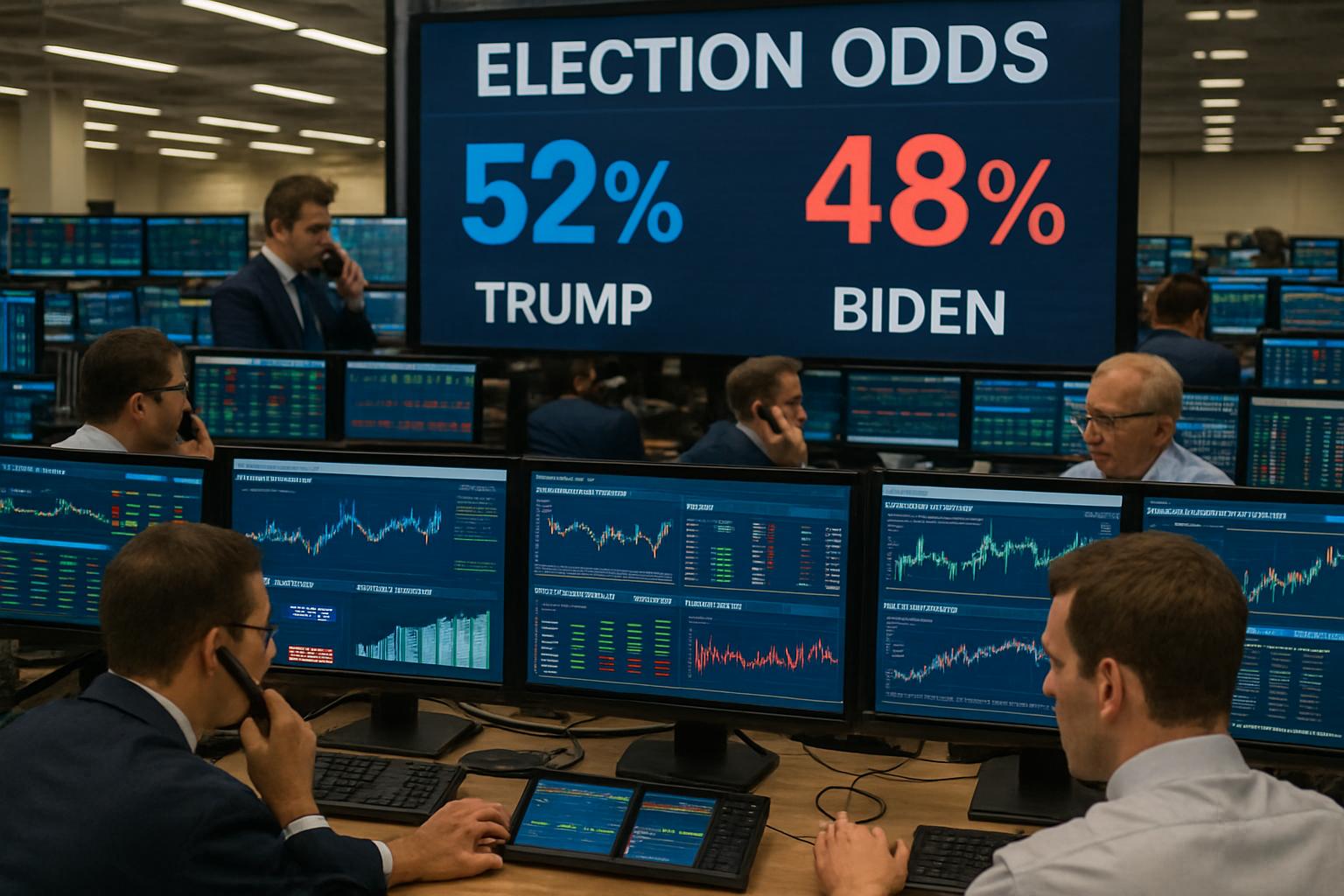
Several forces fueled the latest boom. First, liquidity exploded across Polymarket after the primary debates. Consequently, Election Odds refreshed every second, attracting media syndication deals. Meanwhile, Kalshi licensed Associated Press data to list granular US House districts. Moreover, Prediction Market AI systems integrated that feed into dashboards used by hedge funds.
- $2 billion traded across platforms during the final five weeks of 2024.
- $3.7 billion total 2024 volume on the leading crypto venue.
- $40 million estimated arbitrage profit captured by bots, April 2024–April 2025.
These numbers highlight explosive user demand. However, strong growth also magnifies legal and technical tensions that shape future adoption. The regulatory front shows how high those stakes have become.
Shifting Regulatory Battle Lines
Jurisdiction fights now define the market’s political risk profile. In February 2026, CFTC Chair Michael Selig warned states to avoid overreach. He wrote, “The CFTC will no longer sit idly by…” in a Wall Street Journal op-ed. Subsequently, the agency filed amicus briefs supporting federally regulated election contracts. Nevertheless, several attorneys general pursue lawsuits framing markets as illegal gambling. In contrast, some bills explicitly ban US House wagering to placate local constituencies. Polymarket faces historical baggage from a 2022 settlement, yet its compliance push continues. PredictIt also navigates court-ordered limits that cap Election Odds trading sizes. Therefore, enterprise users demand clarity before embedding live prices into risk models. Prediction Market AI providers lobby for unified rules that recognize event contracts as commodities. Legal certainty will dictate capital inflows. Next, technology choices reveal why certainty matters so much.
Evolving AI Trading Dynamics
Algorithmic agents now execute a large share of prediction market volume. IMDEA Networks mined Polymarket orders and spotted 86 million wagers by April 2025. Consequently, bots captured about $40 million through combinatorial arbitrage. Prediction Market AI engineers deployed reinforcement learning agents that detect mispriced Election Odds in milliseconds. Furthermore, language models now simulate voter behavior and feed probability estimates into trading code. In contrast, some scholars warn that biased training data can amplify partisan bubbles. Therefore, responsible teams test outputs against Brier score baselines before deployment. These Prediction Market AI advances tighten spreads and attract professional liquidity. Still, automation heightens transparency and governance challenges. Accuracy metrics expose those tensions further.
Accuracy And Efficiency Gaps
Markets boast impressive track records, yet gaps remain. A 2025 multi-platform study showed divergent hit rates before ballots closed. PredictIt called 93% correctly, Kalshi reached 78%, and Polymarket trailed at 67%. Moreover, cross-exchange spreads invited risk-free arbitrage of up to two cents. Prediction Market AI dashboards now flag liquidity depth, bid dispersion, and time decay. Consequently, analysts compare Brier scores against polling averages to validate each contract’s information value. Empirical testing keeps Prediction Market AI hype grounded. Integration examples reveal practical gains despite imperfections.
Emerging Integration Use Cases
Newsrooms now embed live tickers beside conventional polls. Google Finance surfaces Election Odds directly in candidate search panels. Likewise, hedge funds hedge US House exposure via Kalshi district contracts. Subsequently, Prediction Market AI feeds before pricing political risk riders. Moreover, corporate strategists model policy scenarios by chaining Polymarket contracts with macro indicators.
- Real-time sentiment updates beat weekly polling lags.
- Transparent prices support compliance-friendly audit trails.
- Automated hedging lowers campaign-driven revenue volatility.
Professionals can enhance expertise with the AI Data Robotics™ certification. Integrations blur lines between markets and enterprise analytics. Strategic lessons emerge for teams planning 2026 forecasts.
Strategic Takeaways For Professionals
Data, governance, and timing dominate boardroom debates. Consequently, firms should adopt multi-source dashboards that combine Prediction Market AI with polling and in-house modeling. Nevertheless, teams must audit bot-driven anomalies before relying on contract prices. Meanwhile, legal counsel should track CFTC filings and state appeals weekly. Structured processes turn speculative noise into actionable intelligence. The conversation now turns to future outlooks.
Prediction markets no longer sit at the fringe. Real-time prices drive newsroom scripts and boardroom hedges. However, fragmented rules, bot dominance, and accuracy gaps demand disciplined oversight. Consequently, leaders should monitor legal filings weekly, audit data feeds, and stress-test scenario models. Prediction Market AI will reward firms that treat probabilities as decision inputs rather than gambling curiosities. Therefore, consider upskilling teams through the AI Data Robotics™ certification and related courses. These credentials build the quantitative literacy required for the 2026 cycle.


