

AI CERTs
2 hours ago
Pre-crime Ethics Debate: Algorithms Forecasting Crime Scrutinized
Police chiefs now buy software that forecasts burglaries before windows shatter.
However, critics frame that capability as digital fortune telling.
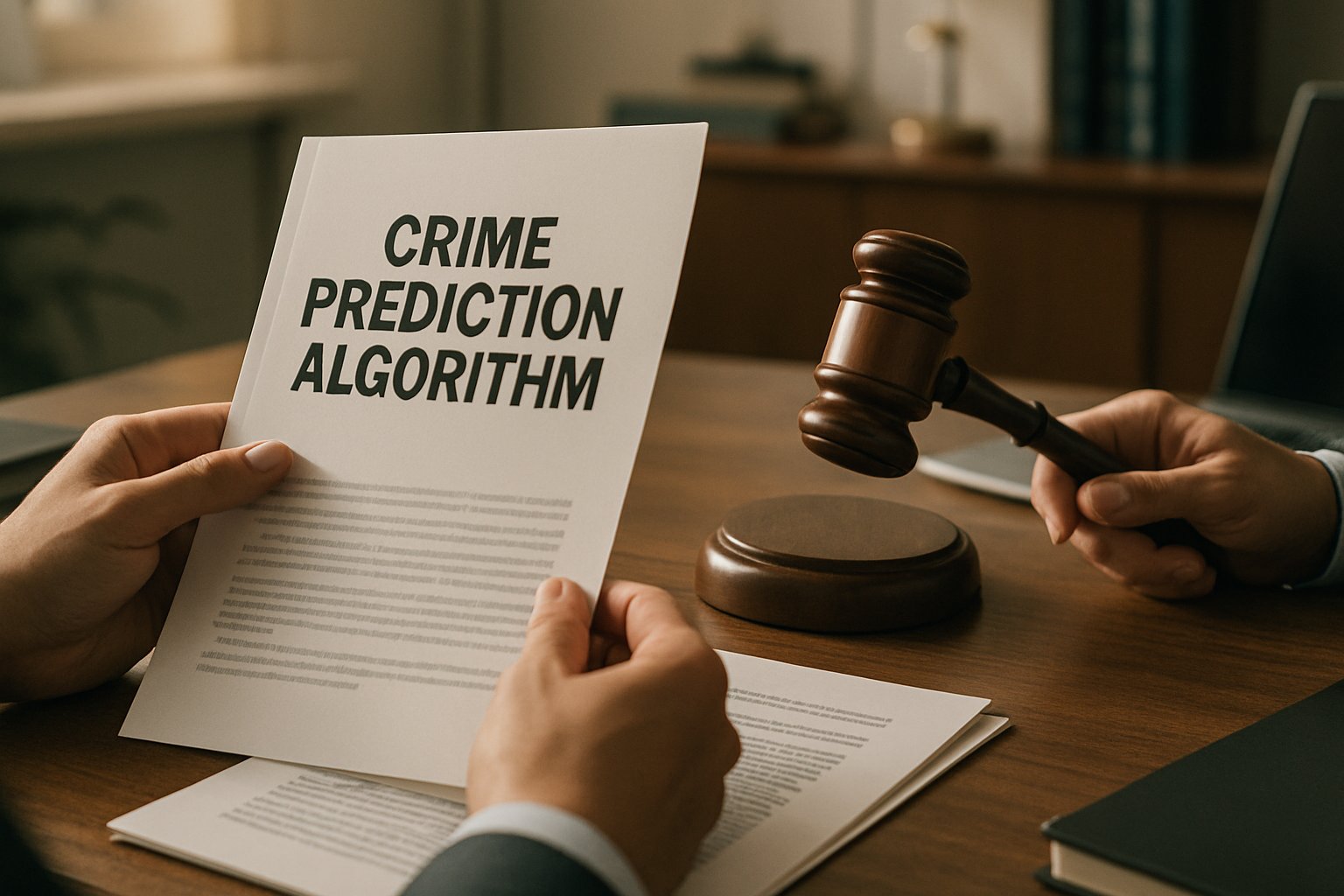
The resulting Pre-crime Ethics Debate stretches across courtrooms, councils, and conferences.
Consequently, technologists must weigh accuracy against constitutional Law.
This article unpacks methods, evidence, regulations, and market forces behind predictive policing.
Moreover, it links practitioners to a certification that sharpens ethical decision-making.
Readers will leave understanding benefits, harms, and next steps for responsible deployment.
Predictive Policing Market Overview
Global police technology spending has surpassed two billion dollars, according to analytics firm tallies.
Nevertheless, definitions vary, so forecasts place compound growth between nine and thirty percent.
Place based hotspot mapping and person focused risk scoring dominate current offerings.
In contrast, integrated suites now bundle sensors, dashboards, and patrol routing into single contracts.
SoundThinking’s acquisition of Geolitica exemplifies consolidation.
Therefore, smaller vendors partner with data giants like Palantir to survive procurement cycles.
The Pre-crime Ethics Debate shapes investor calls, with questions about reputational risk pricing.
Meanwhile, three percent of Michigan agencies use these tools today, yet one third plan adoption.
These numbers highlight a market eager yet cautious.
Market momentum appears real yet volatile.
However, deeper effectiveness evidence drives many purchasing decisions.
Let us examine that evidence next.
Effectiveness Evidence Remains Mixed
Peer reviewed studies paint a fragmented picture of impact.
RAND controlled trials saw small crime drops when officers followed hotspot guidance precisely.
However, The Markup analysed 23,631 Geolitica predictions and found a hit rate under one percent.
Consequently, practitioners need concise facts before committing budgets.
- Shreveport pilot: implementation fidelity determined crime reduction success.
- Plainfield study: fewer than 100 correct matches from thousands of predictions.
- Surveys show agencies still experiment rather than deploy citywide.
Additionally, person based tools like COMPAS improve some forecasts yet double false positives for Black defendants.
Scholars highlight systemic Bias amplified by feedback loops.
Minority communities often notice heavier patrols without proven benefit.
These mixed outcomes fuel the Pre-crime Ethics Debate across academic conferences.
Evidence proves context matters.
Therefore, regulators now intervene.
Regulatory trends appear next.
Rising Regulatory Pressures Globally
New rules attempt to steer predictive policing toward transparency.
Moreover, the EU AI Act bans individual crime risk scoring, citing disproportionate Bias concerns.
Civil society groups, notably Fair Trials, hail the decision as historic.
Griff Ferris declared the result protects citizens from discriminatory forecasting.
Across the Atlantic, several U.S. cities invoke municipal Law to halt algorithmic patrol products.
Santa Cruz outlawed predictive policing years before European legislators moved.
Nevertheless, federal standards remain absent, leaving agencies to interpret guidelines alone.
The Pre-crime Ethics Debate therefore now involves legislators as well as engineers.
Regulators demand auditability and rights safeguards.
Consequently, vendors face stricter compliance reporting.
Stakeholder positions on Bias merit closer analysis.
Algorithmic Bias And Fairness
Bias sits at the heart of every courtroom argument about forecasts.
Historical data reflect enforcement choices, creating feedback loops that penalise Minority neighbourhoods.
A March 2026 simulation showed predictive policing could amplify arrest disparities several fold.
In contrast, researchers used generative debiasing, yet structural inequities persisted without policy change.
Furthermore, formal fairness metrics often conflict, so judges must pick acceptable tradeoffs.
That complexity propels the ongoing Pre-crime Ethics Debate inside sentencing seminars.
Law professors compare the debate to Minority Report but with spreadsheets.
Bias concerns remain unresolved.
However, the industry still evolves.
Consolidation trends illustrate that evolution.
Industry Consolidation And Reactions
SoundThinking purchased Geolitica, folding algorithms into a broader gunshot detection suite.
Andrew Ferguson called the move another step toward big police tech dominance.
Meanwhile, vendors rebrand predictive dashboards as deployment tools to dodge the Pre-crime Ethics Debate spotlight.
Marketing materials highlight efficiency while downplaying Bias or Minority impacts.
Consequently, watchdogs demand open source models and public accuracy logs.
Market power is concentrating.
Nevertheless, users still need skills to audit results.
Professional training addresses that gap.
Future Paths And Recommendations
Agencies considering adoption should pilot transparently and invite independent reviewers.
Moreover, procurement teams must embed contractual safeguards referencing applicable Law and performance metrics.
Stakeholder panels should include Minority representatives and data scientists with audit expertise.
Professionals can strengthen expertise through the AI Educator certification.
Furthermore, agencies should publish quarterly audits to sustain public trust.
These steps could mature tools and calm the Pre-crime Ethics Debate gradually.
Responsible processes remain essential.
Consequently, strategic governance may prevent reckless algorithmic expansion.
The story now turns to final reflections.
Predictive policing stands at a crossroads.
However, data show limited accuracy and significant Bias.
The Pre-crime Ethics Debate reminds leaders that technology choices carry social consequences.
Stakeholders cite the Pre-crime Ethics Debate when lobbying for transparent algorithms.
In contrast, strong Law frameworks, meaningful audits, and representative Minority engagement can unlock safer streets.
Hollywood’s Minority Report continues guiding public imagination; yet real governance must exceed film scripts.
Nevertheless, policymakers accept that society will never mirror Minority Report perfectly.
Continued research will sharpen the Pre-crime Ethics Debate further.
Therefore, executives should pursue certifications, pilot responsibly, and join forums promoting ethical policing innovation.
Act now: enrol in the AI Educator certification and lead ethical innovation.


