

AI CERTS
7 hours ago
Politico AI Rollout Triggers Contract Violation Ruling
Moreover, the award forces management into rapid bargaining within sixty days. Good Faith negotiation now becomes unavoidable for both sides. The dispute centers on automated Live Summaries and a subscriber Report Builder. Each system published content without human Editorial Review, and each produced at least one glaring Factual Error. In contrast, Politico argued the products were experimental and outside traditional news workflows.
Nevertheless, the arbitrator disagreed and highlighted missing Governance safeguards. The verdict has industry-wide implications for any publisher racing toward AI-driven efficiency.
Arbitration Sets Industry Precedent
July hearings opened the dispute between the PEN Guild and Politico management. Eventually, the arbitrator issued a 20-page award on 26 November 2025. Moreover, the document outlined four decisive findings against the company. He also underscored the absence of good-faith dialogue during development.
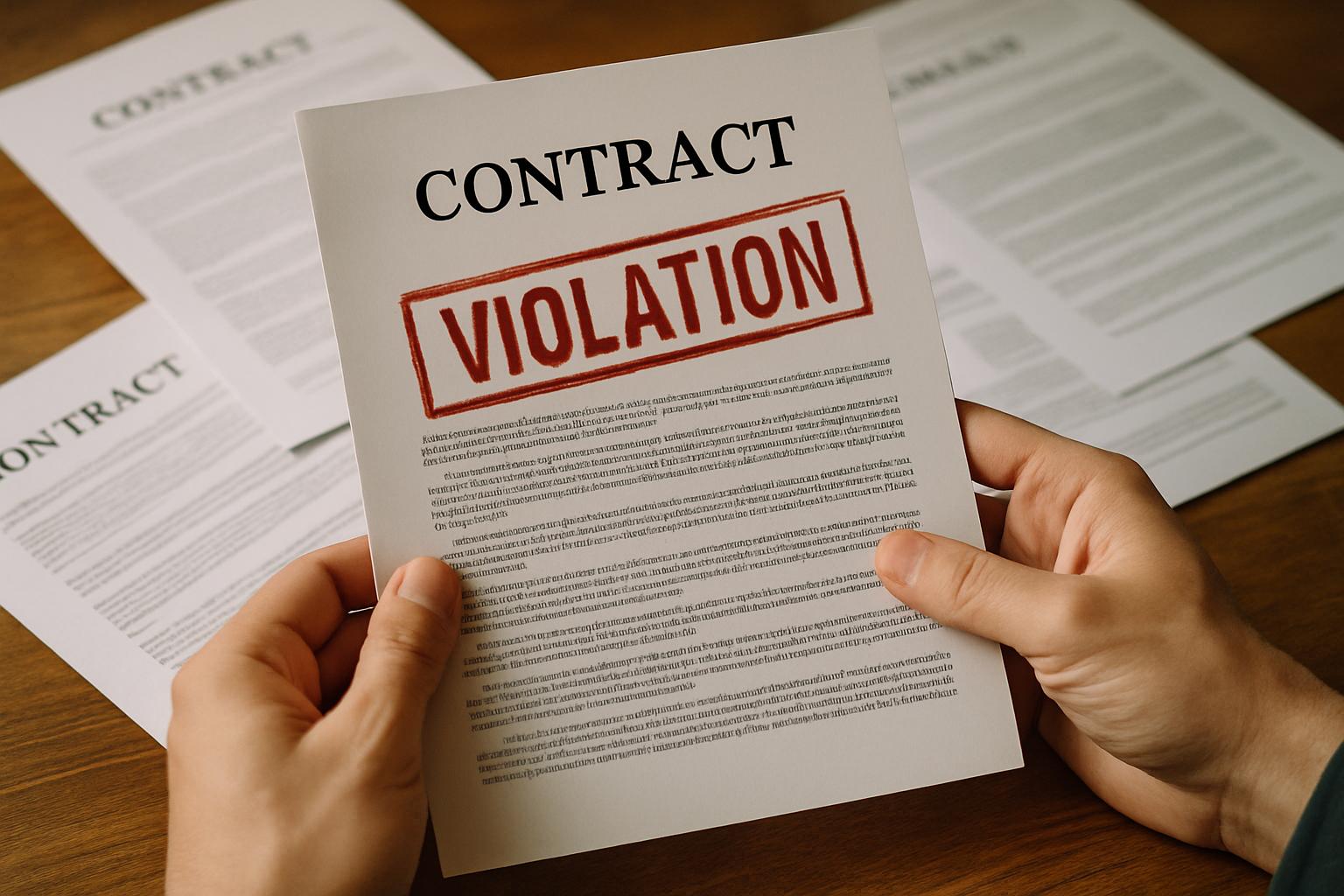
He concluded Politico introduced AI tools that materially changed journalists’ duties. Consequently, the unilateral move breached the 60-day notice clause. The Contract Violation triggered mandatory remedies, including a two-month bargaining period.
Additionally, the ruling marks one of the earliest enforceable AI cases in media labor history. Forty-three NewsGuild agreements already contain AI language, yet none had reached a decision this strong.
These details establish a guiding benchmark for future newsroom negotiations. However, deeper contractual questions remained unanswered, leading naturally to the contract terms themselves.
Contract Terms Under Fire
The Politico contract contains explicit AI safeguards negotiated in 2024. Specifically, management must provide sixty days’ notice and bargain in Good Faith about any tool affecting reporting duties. Furthermore, every AI output must pass human Editorial Review and respect house style.
Nevertheless, Live Summaries appeared atop the homepage during marquee debates without warning. The feature produced at least one Factual Error and multiple style missteps. Consequently, union leaders argued their members performed uncompensated cleanup after publication. That pattern constituted another Contract Violation in the eyes of the arbitrator.
Similarly, the Pro Report Builder generated policy memos that fabricated organizations and misstated court decisions. In contrast, management framed the assistant as a beta search interface, not finished journalism.
The arbitrator rejected that distinction, stressing that brand-labeled content still carries Governance obligations. These contractual breaches clarified why remedies became essential. Therefore, attention turned toward how the AI products actually operated.
AI Tools Spark Backlash
Evidence presented at arbitration illustrated concrete failings inside both tools. Moreover, internal emails revealed engineers knew about hallucinations before launch.
- Live Summaries misquoted a candidate during the Democratic Convention, a serious Factual Error.
- The tool also violated Associated Press style, triggering additional Editorial Review work.
- Report Builder invented a “Basket Weavers Guild” lobbying group, undermining Governance credibility.
- Another memo treated Roe v. Wade as active precedent, yet another Contract Violation in effect.
Consequently, newsroom staff faced reputational fallout each time an automated sentence slipped through. Nevertheless, management emphasized speed and customer demand. The arbitrator countered that accuracy remains the core journalistic value.
These examples highlighted the dangers of AI tools without human oversight. Subsequently, the debate shifted toward corporate risk and potential liabilities.
Management Response And Risks
Politico executives publicly pledged to respect the ruling while pursuing further AI innovation. However, they warned that shutting tools down could undermine competitive momentum. CEO Goli Sheikholeslami framed the outcome as “a pause, not a retreat.”
Meanwhile, product chiefs claimed ongoing updates would reduce error rates. They promised stricter Editorial Review layers before any external release. Additionally, a new oversight council will track hallucination metrics and compliance benchmarks.
Nevertheless, analysts note unresolved financial and legal exposure. Each future Contract Violation could invite steeper penalties, including damages or federal unfair labor charges.
These tensions signal how AI growth intersects with labor rights. Consequently, observers examined broader lessons for other media firms.
Broader Media Governance Lessons
Other publishers watch the Politico case as a cautionary tale. Moreover, many hold fledgling AI pilots that similarly touch newsroom workflows. In contrast, only a minority maintain detailed Governance frameworks matching Politico’s contract.
Consequently, legal advisors recommend three urgent steps:
- Conduct pre-launch risk audits in collaboration with unions to avoid a surprise Contract Violation.
- Establish mandatory Editorial Review gates staffed by domain editors.
- Create public logs for every detected Factual Error and corresponding corrections.
Additionally, professionals can enhance their expertise with the AI+ Cloud Architect™ certification. The program covers responsible deployment strategies and aligns with Good Faith bargaining principles.
These actions fortify trust and operational resilience. However, the immediate future still revolves around the upcoming negotiations.
Future Negotiation Roadmap Ahead
Both parties now enter a sixty-day bargaining window mandated by the award. Moreover, the union seeks retroactive pay, clearer oversight language, and joint algorithm audits.
Meanwhile, management wants flexibility to update code without triggering a fresh notice cycle. In contrast, analysts predict compromise through scheduled checkpoints and transparent metrics.
Subsequently, any agreed framework could influence upcoming renewals at the New York Times, Gannett, and Hearst. Another high-profile Contract Violation would intensify union pressure across the industry.
These impending talks will test patience and creativity. Therefore, a concise summary and next steps conclude our analysis.
Key Takeaways Moving Forward
Politico’s arbitration shows AI rollouts cannot sidestep union rights. Consequently, all publishers should embed human oversight mechanisms alongside robust ethical processes. Moreover, every algorithm must log and fix each Factual Error to preserve credibility. The case confirms that Governance clauses hold legal power when breached.
Therefore, executives and technologists should study the ruling, strengthen oversight, and pursue certifications. Avoiding another Contract Violation now depends on collaborative leadership. Interested leaders can deepen skills through the AI+ Cloud Architect™ program.
Contract Violation risks remain real yet manageable with transparent planning. Ultimately, balanced innovation protects journalists, investors, and audiences alike. Consequently, proactive dialogue will accelerate trustworthy AI gains. Explore the linked certification today and drive responsible innovation in your newsroom.


