

AI CERTS
1 hour ago
Pinterest’s AI Loop Tests Platform Integrity and Creator Trust
The episode raises urgent questions about Platform Integrity across social networks. Moreover, the conflict touches Moderation, commerce, and user trust simultaneously. Investors applaud record revenue, yet Artists fear unfair Bans and reputational loss. Therefore, executives must balance growth with authenticity safeguards.
This report unpacks data, voices, and legal signals behind the AI takedown loop crisis. Professionals tracking Platform Integrity will find practical insights and certification resources ahead.
Rapid Label Rollout Backdrop
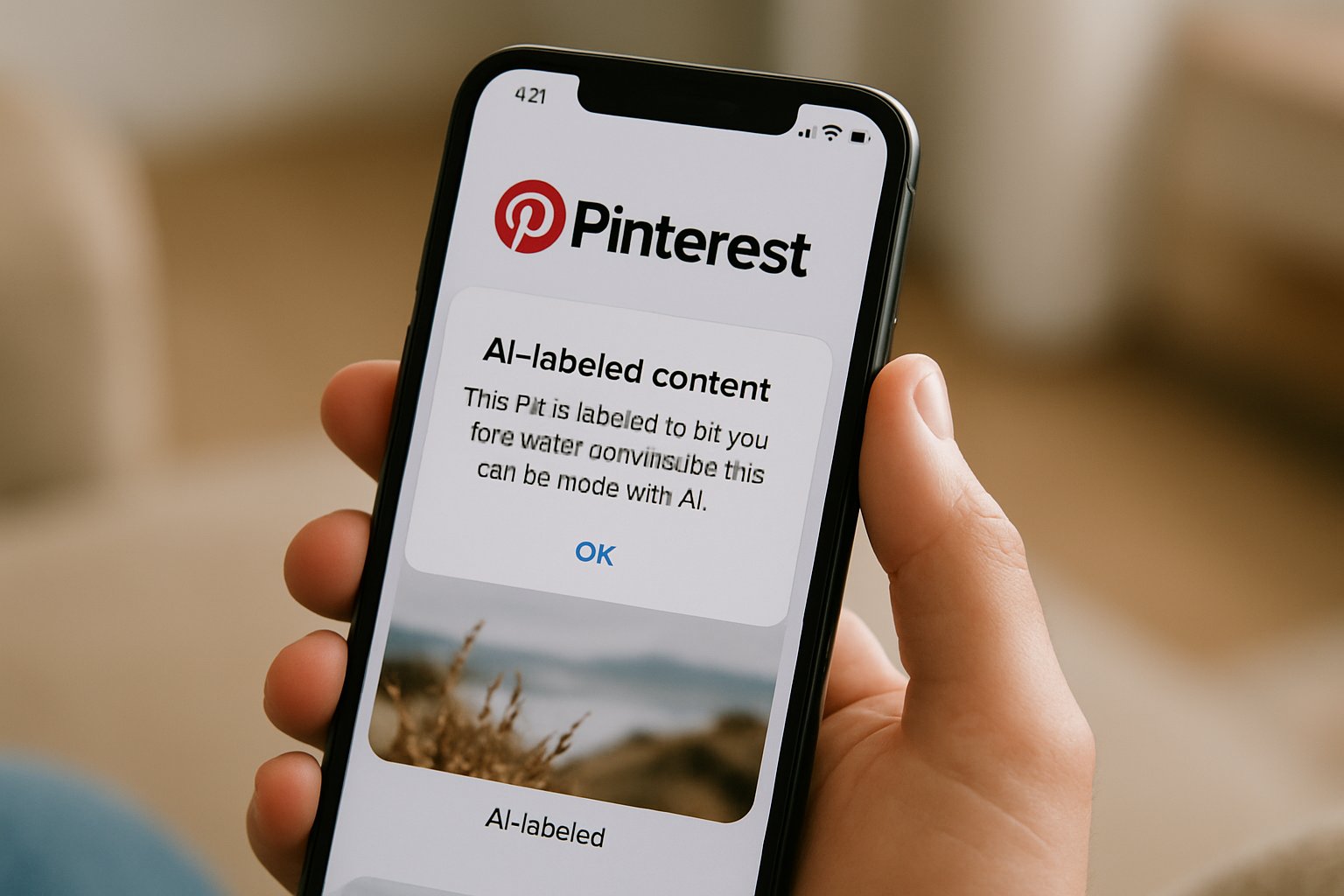
Pinterest publicly launched GenAI labels and a “see fewer” control in late April 2025. Metadata scanning combines with computer vision classifiers to predict AI provenance.
Consequently, images marked “AI modified” show a visible banner on closeup view. Furthermore, recommendation algorithms weigh the tag when ranking Pins in feeds.
Company executives framed the update as a decisive Platform Integrity safeguard during earnings calls. CEO Bill Ready stated the move fights “spammy AI slop” and strengthens user experience.
Pinterest also promised region-by-region rollout of the control to refine Moderation signals. Meanwhile, the platform reported 570 million monthly active users in Q1 2025. Those metrics supported aggressive automation over manual review.
Key launch milestones include:
- April 30: Global label announcement
- May 15: “See fewer” desktop release
- June 20: Classifier expansion to iOS
These milestones illustrate Pinterest’s speed and ambition. However, rapid shipping sometimes sacrifices accuracy, as the next section reveals.
Widespread Creator Backlash Escalates
By summer 2025 Reddit threads overflowed with screenshots of misapplied AI tags on hand-drawn Art. Independent Artists reported traffic drops as their boards vanished from search results.
Consequently, some creators lost commission leads and merchandise sales within days. One poster described a “takedown loop”: appeal, relabel, then deeper shadowing.
Moreover, users claimed comments or metadata became unavailable after filing appeals. These anecdotes expose gaps in Platform Integrity quality control.
Moderation specialists warn that false positives erode trust faster than spam ever could. In contrast, Pinterest’s help center states manual review teams address flags promptly.
Layoffs announced in January 2026 suggest capacity may have tightened. Consequently, appeals reportedly stretch for weeks, amplifying frustration. Artists also fear permanent Bans if automated systems misinterpret stylistic filters.
These complaints underline the human cost. However, business momentum continues, as explained next.
Business Metrics Still Surge
Despite controversy, Pinterest posted 16% year-over-year revenue growth in Q1 2025. Monthly active users climbed to 578 million by June.
Moreover, average revenue per user ticked upward across every region. Executives credit automated discovery features powered by the same AI pipelines.
Consequently, investors reward the company with a rising share price. Bill Ready called Pinterest an “AI-powered shopping assistant” during earnings remarks.
These upbeat numbers complicate debates about Platform Integrity trade-offs. In contrast, small businesses argue that lost impressions negate macro growth.
Moderation errors rarely surface in quarterly dashboards, yet they drive creator churn. Therefore, reconciliation requires metrics that balance revenue with authenticity. The next section examines technical roots of those errors.
Automation Versus Label Accuracy
Pinterest relies on metadata, watermark detection, and vision models to flag suspect imagery. However, metadata often gets stripped during cross-platform uploads, reducing confidence scores.
Moreover, many Art pieces employ AI style transfers legitimately, confusing binary classifiers. False positives arise when texture patterns mimic diffusion artifacts.
Consequently, human review remains vital, yet staff cuts constrain capacity. In contrast, rivals like DeviantArt blend automated checks with specialized curator teams.
Analysts warn that over-zealous automation jeopardizes Platform Integrity by eroding confidence in labels themselves. Moderation teams must therefore tune thresholds and publish error metrics.
Artists suggest opt-in verification watermarks to distinguish genuine brushwork from generated content. These technical levers create room for improvement. However, legal forces are also gathering, as discussed next.
Regulatory Clouds Now Gathering
Lawmakers propose bills like the NO FAKES Act to mandate provenance disclosures. Consequently, platforms could face fines for mislabeled or unlabeled synthetic media.
State legislatures also debate liability for wrongful Bans arising from faulty algorithms. Moreover, European regulators eye harmonized standards that might exceed US rules.
Pinterest will need audit trails proving good-faith Moderation efforts. Analysts say transparency reports could reassure policymakers and creators alike.
Nevertheless, compiling those datasets requires staff and tooling. Layoffs therefore complicate compliance timetables and threaten Platform Integrity commitments.
These uncertainties pressure leadership to act decisively. The next section outlines possible responses.
Future Scenarios And Fixes
Pinterest has three broad strategic options. First, double down on automation while publishing false-positive dashboards.
Second, rebuild hybrid oversight teams that combine reviewers with specialized model trainers. Third, invite community verification similar to Wikipedia edit patrols.
Moreover, leadership could adopt creator insurance against mistaken Bans. Analysts favor option two because it balances cost and Platform Integrity.
Consequently, transparent service-level targets for appeals would rebuild trust. Artists also seek dedicated channels for showcasing manual Art processes.
Furthermore, Pinterest might pilot verified watermark badges for premium creators. Professionals can enhance their expertise with the AI Essentials for Everyone™ certification.
These interventions could preempt legislative mandates and market exits. However, execution discipline will determine success. The conclusion distills core lessons and next steps.
Conclusion Actionable Next Steps
Pinterest stands at a crossroads shaped by revenue ambitions and community trust. False AI labels show how brittle automated safeguards can become.
However, transparent appeal metrics and hybrid oversight can restore Platform Integrity quickly. Moreover, verified watermark programs would reassure Artists and reduce wrongful Bans.
Regulators will act if platforms fail, therefore proactive disclosure remains essential for Platform Integrity leadership. Consequently, executives should publish classifier accuracy reports each quarter.
Professionals monitoring governance must push for these milestones now. Explore the certification above and strengthen your voice in upcoming policy debates.


