

AI CERTS
2 hours ago
Pinterest Tracker Sparks Surveillance Debate
Surveillance inside corporate systems suddenly became the story, overshadowing the company’s AI pivot. Meanwhile, investors focused on numbers: less than 15% of staff and up to $45 million in charges. Consequently, trust between management and developers faces fresh scrutiny.
Pinterest framed the decision as freeing resources for generative projects. Nevertheless, transparency demands rose throughout engineering channels. Some staff copied code or simple directory queries to learn which teammates vanished. Company leaders labeled that practice obstructionist and a privacy breach. Subsequently, terminations followed within days. This article unpacks the chronology, technical details, and governance lessons behind the dramatic episode. Professionals also gain guidance on compliance and risk mitigation.
Restructuring Signals AI Pivot
On 26 January 2026, Pinterest filed an 8-K detailing a global restructuring. Moreover, the document projected pre-tax charges between $35 million and $45 million. Headcount stood at 5,205 employees three months earlier. Therefore, cutting “less than 15%” implied roughly 700 roles. Management stated savings would fund accelerated artificial intelligence research.
Market reaction proved muted, yet internal morale slipped. In contrast, engineers questioned whether the AI narrative masked cost cutting. Analysts noted a broader trend of companies pairing layoffs with ambitious automation roadmaps. These mixed messages set the stage for conflict explored in the next section.
Numbers clarified financial intent. However, cultural consequences soon outweighed balance-sheet math.
Tracker Script Sparks Firings
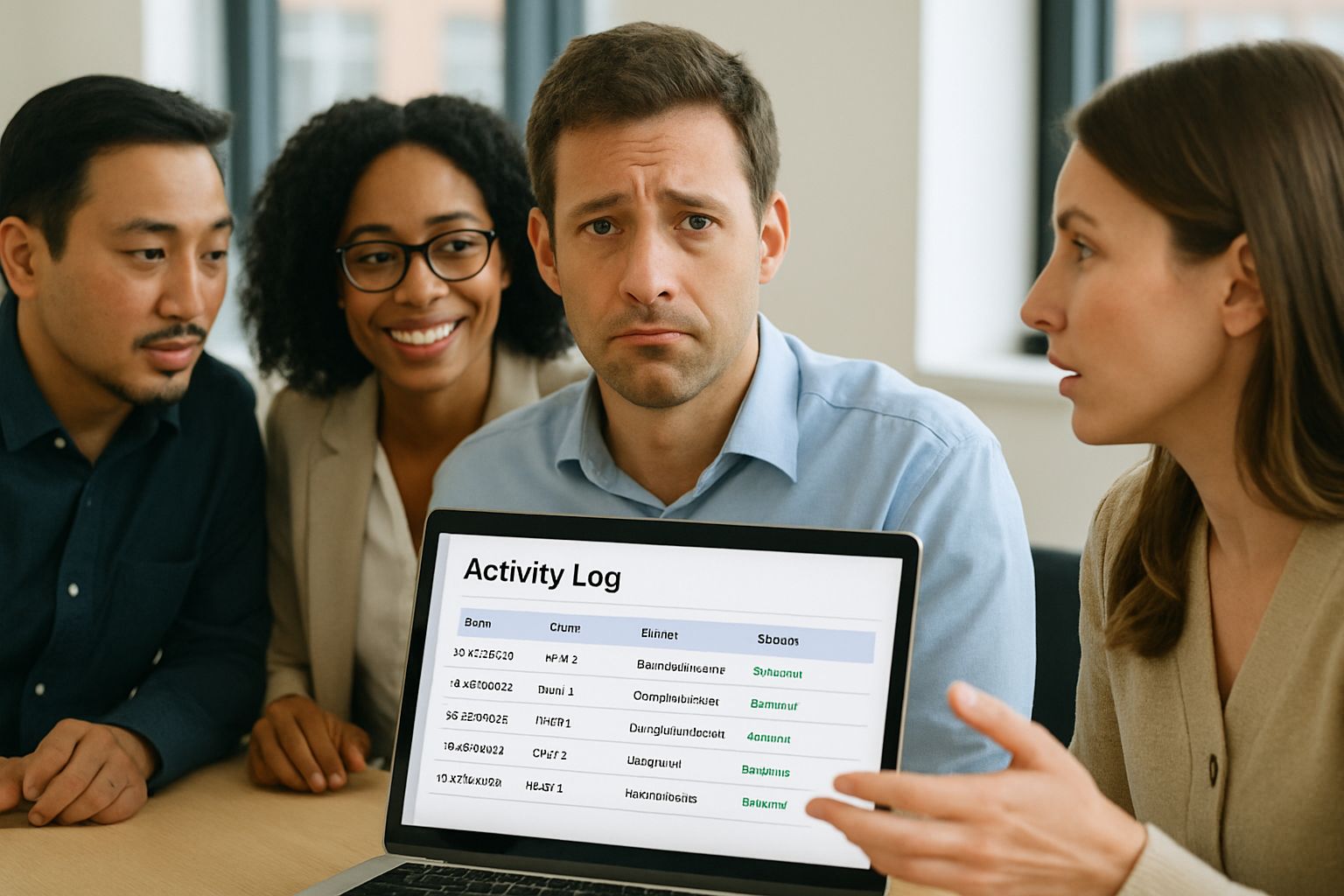
Rumors about termination lists began circulating minutes after deactivation emails arrived. Meanwhile, two engineers wrote a script that polled Slack and the corporate directory every few minutes. The code flagged users whose status switched to inactive and generated a dashboard. Surveillance technology of this kind requires minimal effort yet offers immense visibility.
Pinterest leaders said the script “improperly accessed confidential information.” Additionally, CEO Bill Ready called the move obstructionist during a town hall. The engineers, unnamed publicly, were fired within days. Some coworkers argue the process simply automated manual lookups available to anyone.
Key reported facts include:
- Estimated job losses: about 700 positions
- Engineers fired: reports vary between two and several
- Tool method: directory and Slack polling, not advanced AI
- Official rationale: privacy and policy violations
The firings drew national coverage. Consequently, they reframed the restructuring as a cautionary tale about internal monitoring.
Privacy Versus Employee Transparency
Corporate HR teams guard personal data tightly. Nevertheless, staff crave timely information when friends disappear from channels. Surveillance clashes with transparency in that moment. Employers cite legal obligations under data-protection laws. Workers view knowledge sharing as mutual support.
Experts note that identity logs reveal departures the instant they occur. Furthermore, simple APIs allow aggregation without privileged credentials. Pinterest’s policy classified such aggregation as disclosure of confidential data. Employees countered that names were already visible to any colleague using the directory.
This standoff highlights a policy grey zone. Moreover, it underscores why clear communication plans must precede drastic cuts.
The debate leaves two enduring lessons. First, publish official layoff lists swiftly. Second, document permissible data uses before tensions escalate.
Balancing privacy with clarity remains difficult. However, explicit guidelines can reduce future conflicts.
Surveillance Culture Inside Tech
Modern enterprises log every click and credential change. Consequently, engineers can script dashboards that map organizational churn. Surveillance tools, once designed for security, now double as labor visibility mechanisms. In contrast, management often deploys similar analytics to measure productivity.
Research from Gartner shows 50% of large firms deploy employee monitoring software. Moreover, the line between security and people analytics blurs yearly. Pinterest’s episode therefore mirrors an industry-wide tension. Organizations embrace monitoring for risk management, yet they fear the mirror turned inward.
Ethics scholars warn that asymmetric data power can erode trust. Additionally, uncontrolled sharing may violate regional privacy statutes. Regulators in Europe already fine companies for mismanaging personal identifiers.
These dynamics suggest that technical controls must be paired with cultural agreements. Otherwise, perception shifts from protection to exploitation.
Unchecked monitoring breeds suspicion. Consequently, companies must align policies, tooling, and values before crises emerge.
Broader Industry Ethics Debate
Academics argue that governance should not rely solely on after-the-fact discipline. Instead, proactive dialogue shapes fair norms. Moreover, consistent audit processes help confirm that Surveillance systems respect consent.
Pinterest’s fallout now appears in university case studies. Ethics professors highlight the unclear boundary between public directory data and protected HR records. Meanwhile, security consultants recommend tiered access models combined with clear incident response paths.
Professionals seeking structured guidance can strengthen skills through the AI Human Resources™ certification. The program covers policy drafting, data handling, and Workplace Automation best practices.
Thoughtful training enhances compliance readiness. Nevertheless, sustained leadership attention remains fundamental.
Policy literacy empowers teams. Therefore, continuous education supports ethical innovation.
Automation Trends After Layoffs
Many firms link cost reductions to Workplace Automation roadmaps. Subsequently, freed budgets finance cloud, machine learning, and generative tooling. Pinterest followed this script, pledging to channel savings toward new AI products.
Analysts caution that automation benefits depend on robust change management. Moreover, layoffs can drain domain expertise essential for successful rollouts. Surveillance metrics help quantify adoption, yet overreliance risks dehumanizing remaining staff.
Ethics committees within Fortune 500 companies now review algorithmic workforce impacts quarterly. Additionally, vendors market dashboards that spotlight bias or compliance drift. Workplace Automation frameworks increasingly integrate fairness checkpoints alongside productivity goals.
Key considerations before pairing layoffs with automation include:
- Model transparency and explainability checkpoints
- Reskilling programs for displaced roles
- Privacy-preserving data architectures
- Regular third-party audits of monitoring pipelines
Structured safeguards help prevent reputational damage. However, leadership must resist viewing automation as a shortcut.
Strategic automation demands holistic planning. Consequently, human capital strategies should evolve alongside technical deployments.
Governance Lessons For Leaders
Board members now ask pointed questions after the Pinterest news cycle. Firstly, did policies clearly define improper access? Secondly, were investigative protocols transparent? Moreover, did communication gaps spur rogue scripts?
Leading CISOs recommend continuous monitoring coupled with compassionate disclosure plans. In contrast, punitive responses without dialogue can chill innovation. Surveillance controls should flag anomalies, yet escalation paths require human oversight.
Ethics frameworks, like IEEE’s guidance, stress proportionality in enforcement. Furthermore, Workplace Automation reviews must include labor representatives. These multidisciplinary steps reduce misunderstanding while preserving security.
Finally, leaders should allocate budget for staff education. Therefore, investing in programs like the AI Human Resources™ certification enhances policy fluency.
Robust governance blends technology, law, and empathy. Nevertheless, execution determines credibility.
Pinterest’s restructuring illustrates modern tensions between cost, innovation, and employee insight. Moreover, the firing saga shows how quickly Surveillance discourse can eclipse strategy messaging. Workplace Automation ambitions thrive only when transparency and Ethics coexist. Consequently, firms should publish clear data policies, train teams, and embed privacy reviews in deployment cycles. Interested professionals can therefore future-proof their expertise by pursuing the AI Human Resources™ credential. Act now to steer responsible technology adoption.


