

AI CERTS
2 hours ago
Pentagon Tests Lethal Autonomous Weapons Surge
Consequently, observers question whether rapid fielding can coexist with safety standards. Lethal Autonomous Weapons now move from policy papers to live-fire ranges. Moreover, commercial AI vendors resist blanket usage demands, opening new fronts in acquisition politics. The February clash with Anthropic underscores that software access is as critical as hardware.
Consequently, senior leaders stress speed, scale, and trustworthiness in equal measure. This article unpacks the money, technologies, tensions, and ethics shaping the Pentagon’s accelerated push. It provides the facts professionals need to track Lethal Autonomous Weapons through 2026 and beyond.
Pentagon Push Accelerates Testing
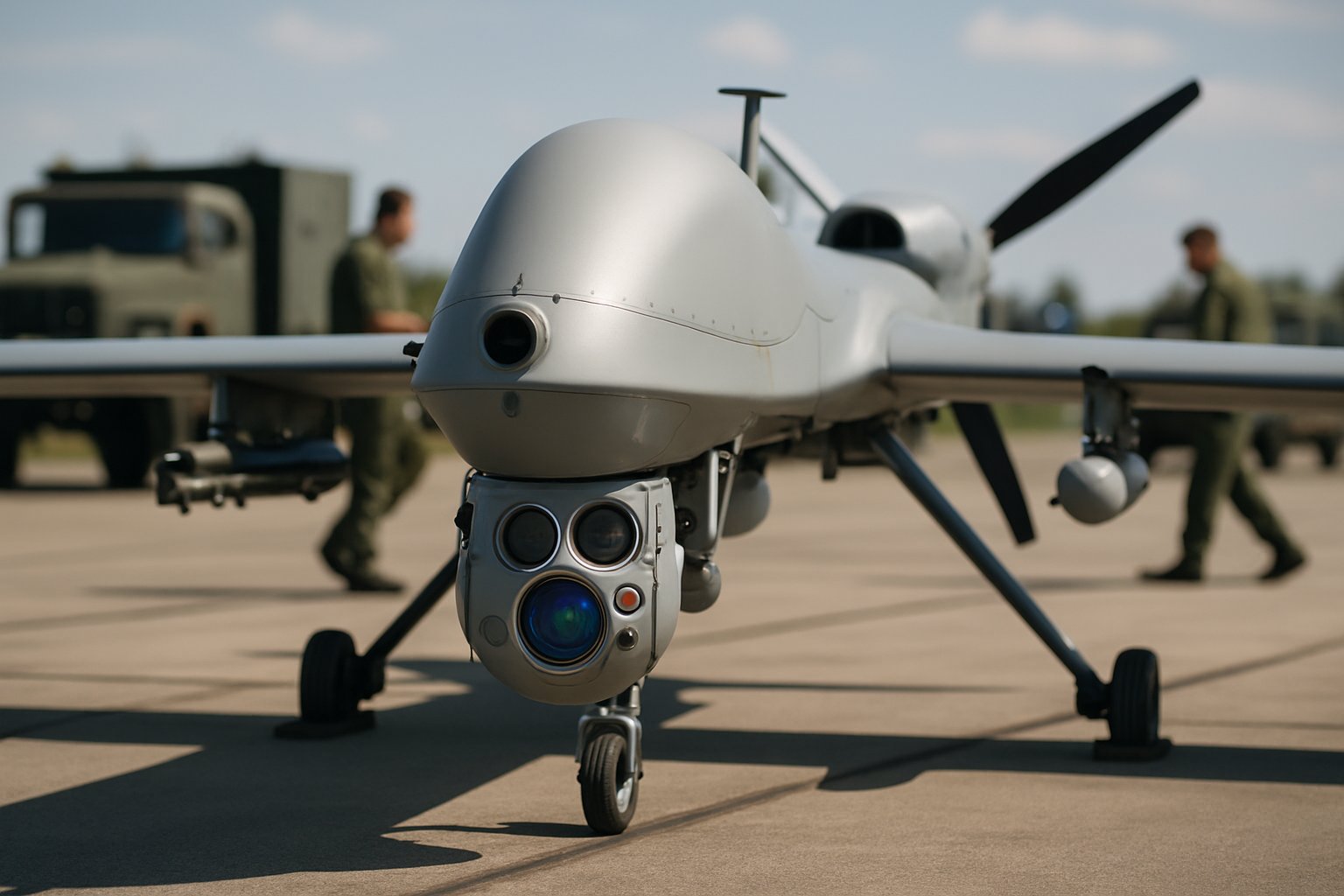
Officials framed Replicator as the fastest path to affordable mass against pacing threats. Deputy Secretary Kathleen Hicks pledged multiple thousands of systems within twenty-four months. However, initial schedules already compress traditional acquisition gates into quarterly sprints. Test ranges in California and Guam now host weekly flight events for attritable aircraft prototypes. Meanwhile, surface and subsea drones share common autonomy packages to streamline evaluation. Program insiders note software updates arrive every fourteen days, mirroring commercial DevSecOps rhythms.
Consequently, data pipelines and cyber defenses receive equal attention alongside airframes. Lethal Autonomous Weapons still require rigorous senior review under DoDD 3000.09 before operational deployment. Nevertheless, observers report that waivers shorten documentation cycles for non-lethal modes, gaining valuable schedule margin. These tempo changes signal cultural shifts; consequently, later sections examine funding realities driving the surge.
Funding Fuels Rapid Scaling
Budget realignments underpin every ambitious schedule. Consequently, the Pentagon earmarked one billion dollars for Replicator across fiscal years 2024 and 2025. Additionally, the Chief Digital and Artificial Intelligence Office reserved one hundred million for rapid experimentation. In contrast, traditional programs often wait two years before prototype funds arrive.
These fresh allocations support software tools like ACT and ORIENT that orchestrate drone swarms and data fusion. Moreover, supplemental accounts cover industrial surge contracts for loitering munitions such as Switchblade. The following numbers illustrate fiscal momentum:
- Replicator: $1.0 billion across FY24-FY25 for attritable platforms.
- DOD AI lines: $1.8 billion requested for broader AI research in FY2025.
- CDAO AI RCC: $100 million covering sandbox pilots and test events.
- Switchblade orders: several hundred million disclosed by AeroVironment filings.
- Industrial base: battery shortages remain a critical limiter for sustained production.
Therefore, financial momentum appears robust yet tightly scoped to near-term prototypes. However, Congress attached quarterly reporting requirements to guard against schedule slip. Funding questions persist; nevertheless, the next section explores emerging industry dynamics driving capability delivery.
Industry Partners And Tensions
Commercial clouds, primes, and startups now vie for autonomy contracts. Yet, relationships remain complicated by intellectual property clauses and model-use restrictions. In February 2026, Secretary Pete Hegseth confronted Anthropic over contract language limiting Lethal Autonomous Weapons applications. Consequently, the vendor risked supply-chain designation under the Defense Production Act. Anthropic resisted; meanwhile, SpaceX and xAI entered a classified contest for voice-controlled drone swarms.
Moreover, Anduril, AeroVironment, and L3Harris expanded production lines to meet emerging orders. Analysts at CSIS note that process reform, not hardware, delivers the deepest impact. Therefore, agile contracting tools like Other Transactions gain favor across Defense acquisition cells. These corporate maneuvers illustrate shifting leverage. However, success ultimately depends on verifying Lethal Autonomous Weapons against strict safety metrics, a theme addressed next.
Operational Advantages And Limits
Autonomy promises faster observe-orient-decide-act cycles under electromagnetic attack. Sensor fusion across drone swarms enables resilient targeting even when GPS signals drop. Consequently, commanders gain distributed magazine depth without risking expensive crewed assets. Replicator prototypes demonstrated collaborative loitering strikes during recent INDOPACOM exercises. However, live telemetry revealed autonomy handoff gaps when bandwidth dipped below one megabit per second.
Software resilience remains harder than airframe manufacturing, according to Defense evaluators. Moreover, cyber red teams exploited unsecured debug ports during a stress drill. Nevertheless, Lethal Autonomous Weapons retain potential to overwhelm adversary defenses through pure quantity. These findings balance optimism with caution. Consequently, ethical concerns surface next, alongside public unease about delegating military decisions to algorithms.
Ethical And Legal Crossroads
Public advocacy groups frame the debate through the lens of humanitarian law and human rights. Amnesty International labels Lethal Autonomous Weapons a nightmare scenario lacking meaningful human control. Meanwhile, Human Rights Watch pushes for a binding treaty banning such systems outright. Consequently, United Nations forums host annual discussions, yet consensus remains elusive. Ethics scholars argue that algorithmic opacity undermines accountability when force decisions shift to code.
In contrast, Pentagon lawyers cite existing review boards as sufficient safeguards for military necessity. Moreover, supporters claim autonomy reduces collateral damage by excising emotional error. Nevertheless, polls indicate voters trust human pilots over algorithms in lethal contexts. These diverging positions spotlight the centrality of ethics in future force design. Subsequently, workforce development must ensure practitioners grasp both code and conscience; professionals can strengthen skills through the AI Developer certification.
Future Paths And Questions
Looking forward, analysts outline three pivotal uncertainties. First, the Anthropic dispute may redefine how commercial AI licenses address wartime clauses. Second, supply-chain bottlenecks for batteries and processors threaten production of cheap drone swarms at scale. Third, congressional oversight could reshape multiyear authorizations that currently accelerate Defense spending.
Moreover, operational test results will either validate or stall Lethal Autonomous Weapons fielding timelines. Ethics pressure will intensify as algorithmic performance gaps emerge during deployed missions. Meanwhile, military recruitment campaigns already emphasize coding skills alongside marksmanship. Consequently, talent pipelines must expand beyond traditional engineering schools. These open questions underscore dynamic change. Therefore, stakeholders should track budget hearings, test data, and treaty negotiations for fresh signals.
Key Program Statistics Overview
Replicator aims for multiple thousands of units, cutting typical procurement timelines by half. Furthermore, projected production spans air, maritime, and ground platforms, matching varied operational demands. Consequently, integration activities focus on common autonomy stacks to simplify sustainment. These statistics reveal ambitious scale. However, delivery milestones will determine ultimate credibility.
The Pentagon’s accelerated agenda is reshaping acquisition tempo and operational doctrine. Consequently, Replicator and allied programs demonstrate that iterative delivery is now possible inside public sector constraints. Nevertheless, technical reliability, supply chains, and ethics remain live pressure points. Industry negotiations over Lethal Autonomous Weapons licensing illuminate how software policy will shape battlefield realities. Moreover, field tests must prove that Lethal Autonomous Weapons outperform legacy options without sacrificing human oversight.
Defense leaders also need sustained congressional backing and adaptable contracting authorities. Meanwhile, military practitioners should monitor forthcoming test reports and certification opportunities to stay mission ready. Staying informed today ensures strategic advantage tomorrow; therefore, bookmark this space for updates and expert analysis.


