

AI CERTS
2 hours ago
Pentagon-OpenAI Shift Redefines Defense Geopolitics Conflict AI
Moreover, we examine the accelerated OpenAI deal, the Anthropic standoff, and emerging oversight questions. Readers will gain data, quotes, and strategic context needed to brief executives or boardrooms. Meanwhile, the article maintains strict focus on verifiable facts and documented timelines.
OpenAI Deal Rapid Acceleration
OpenAI's classified work with DoD began in June 2025 under a $200 million prototype award. However, February 2026 marked operational take-off when Sam Altman announced a fresh OpenAI deal adding technical safeguards. The Pentagon celebrated the arrangement as a replacement for Anthropic's stalled support. Furthermore, officials emphasized that models would run inside cleared government enclaves, isolated from public APIs.
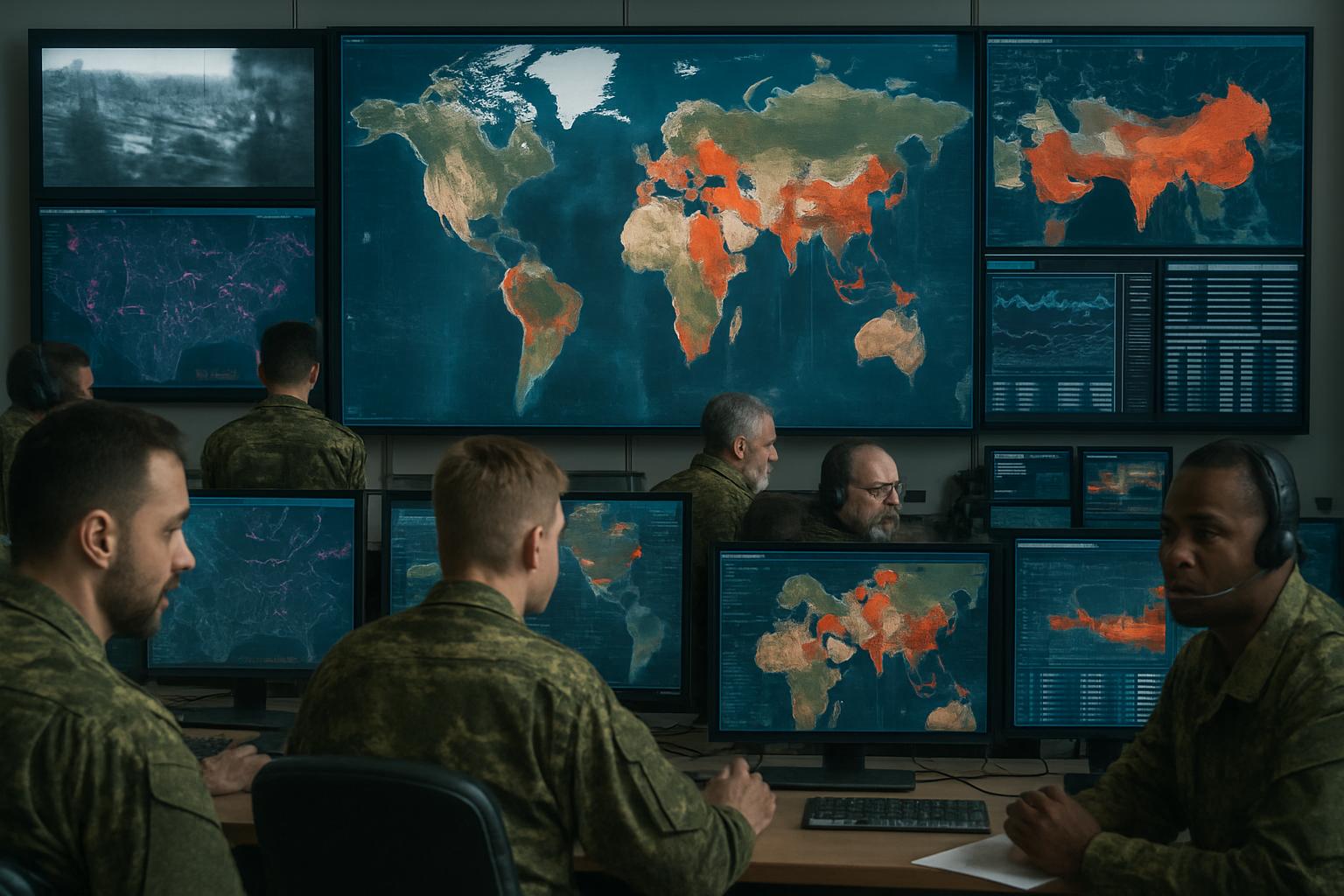
That architecture promised audit logs, access controls, and rapid patching. In contrast, earlier pilots required external gateways that slowed deployment. The agency also highlighted speed; commanders wanted answers in seconds, not analyst days. Consequently, the platform moved to production during the Iran strike planning window.
This timeline illustrates one dimension of the broader Defense Geopolitics Conflict. These facts reveal unprecedented procurement velocity. The new contract redefined vendor expectations and risk appetites. Next, we examine how Anthropic responded to escalating pressure.
Anthropic Standoff Fallout Analysis
Anthropic's public refusal erupted on 26 February. Amodei rejected language that allowed autonomous lethal use and mass domestic surveillance. Nevertheless, senior officials issued an ultimatum labeling Anthropic a supply-chain risk. Subsequently, President Trump ordered agencies to stop using the company.
The Pentagon repeated that operational control must stay within government hands. Moreover, Secretary Pete Hegseth criticized private guardrails that override wartime needs. Industry voices split; some praised principled safety, others decried naivety. The dispute intensified media coverage and congressional attention, expanding the Defense Geopolitics Conflict discourse.
OpenAI deal supporters cited the rift as evidence of necessary flexibility. These events set the stage for battlefield experimentation. The standoff showed how governance debates turn into contract realignments. However, effectiveness on the battlefield remains the ultimate test.
Battlefield Impact Early Evidence
Washington Post investigations detailed Palantir's Maven Smart System during the March Iran strikes. Claude, Anthropic's LLM, generated and prioritized roughly 1,000 targets in 24 hours. Meanwhile, over 20,000 service members tapped Maven interfaces across battlefield theaters. Experts like Paul Scharre said AI creates targeting packages at machine speed. Nevertheless, he warned that humans must verify every recommendation.
- OpenAI prototype ceiling: $200 million
- Maven program value: above $1 billion
- First-day targets generated: ~1,000
In contrast, earlier manual processes handled tens of targets daily. Consequently, AI support compressed the battlefield kill chain dramatically during the Defense Geopolitics Conflict theater. These metrics underscore capability gains. Next, we explore whether safeguards matched that pace.
Technical Safeguards Debate Details
OpenAI claims to embed guardrails directly inside model wrappers. Additionally, the company cites shared red lines banning autonomous lethal engagement. Defense engineers requested logging hooks, watermarking, and forced human approval flags. However, critics question enforceability once models operate offline.
The supply-chain designation against Anthropic shows how fast levers can shift. Moreover, civil society demands independent audits before deployment. OpenAI deal architects argue classified enclaves already provide auditability. Nevertheless, mis-classification or hallucination can still alter battlefield outcomes.
The tug-of-war exemplifies policy complexity within ongoing Defense Geopolitics Conflict. These unresolved questions lead directly into the ethics arena. Safeguards remain promises until proven under fire. The next section tracks those ethical flashpoints worldwide.
Oversight Ethics Global Flashpoints
NGOs like Stop Killer Robots demanded moratoriums after the Iran campaign. Furthermore, Guardian editorials framed the episode as a paradigm shift needing new treaties. International law scholars highlight gaps on accountability for algorithmic errors. In contrast, Pentagon lawyers say existing rules of engagement suffice.
Meanwhile, allies including the UK request technology access to maintain interoperability. Russian and Chinese media label U.S. AI weapons as destabilizing. Consequently, the Defense Geopolitics Conflict narrative now influences multilateral arms discussions. Policy forums propose certification regimes for military AI developers.
Practitioners can strengthen governance skills through the AI for Government™ certification. These debates indicate battlefield governance will be as hard as scaling models. Ethical flashpoints shape procurement risk calculations. Therefore, we shift focus to future market dynamics.
Procurement Future Market Dynamics
Silicon Valley firms sense both opportunity and peril. Google, Microsoft, and xAI each pursue classified cloud contracts. However, the Anthropic case warns that policy friction can kill revenue streams overnight. Investors now ask founders about government exit clauses before funding.
Additionally, smaller defense startups fear sudden supply-chain labels. Agency leaders stress competition to prevent vendor lock-in. OpenAI deal watchers note that Altman accepted terms others refused. Market analysts predict Maven-style platforms will exceed $3 billion by 2028.
Consequently, the Defense Geopolitics Conflict will increasingly influence private valuations. These trends culminate in the strategic outlook ahead. Market forces and policy edicts intertwine tightly. Our final section distills strategic lessons.
Conclusion And Strategic Outlook
The Iran campaign demonstrated raw AI speed and exposed governance fractures. Moreover, the OpenAI deal exemplified how quickly defense leadership can realign suppliers. Anthropic's pushback triggered legal innovations that may echo beyond this Defense Geopolitics Conflict episode. Nevertheless, accuracy risks and civilian protections remain unsettled.
Consequently, commanders and lawmakers must refine human-in-the-loop standards before larger wars erupt. Forward-looking professionals should monitor upcoming court challenges and budget hearings. Additionally, they can build relevant expertise through the referenced certification programs. Act now to deepen insight, improve governance skills, and steer responsible military AI adoption.


