

AI CERTs
2 months ago
OpenAI’s Preparedness Hire Signals AI Risk Management Shift
Executives racing to deploy generative models face an uncomfortable truth. Powerful systems can enable prosperity yet amplify dangerous misuse. Consequently, governance leaders now treat AI Risk Management as a board-level duty.
Few moves illustrate the stakes better than the recent job posting for a Head of Preparedness at OpenAI. Moreover, the eye-catching $555,000 base salary signaled unprecedented urgency.
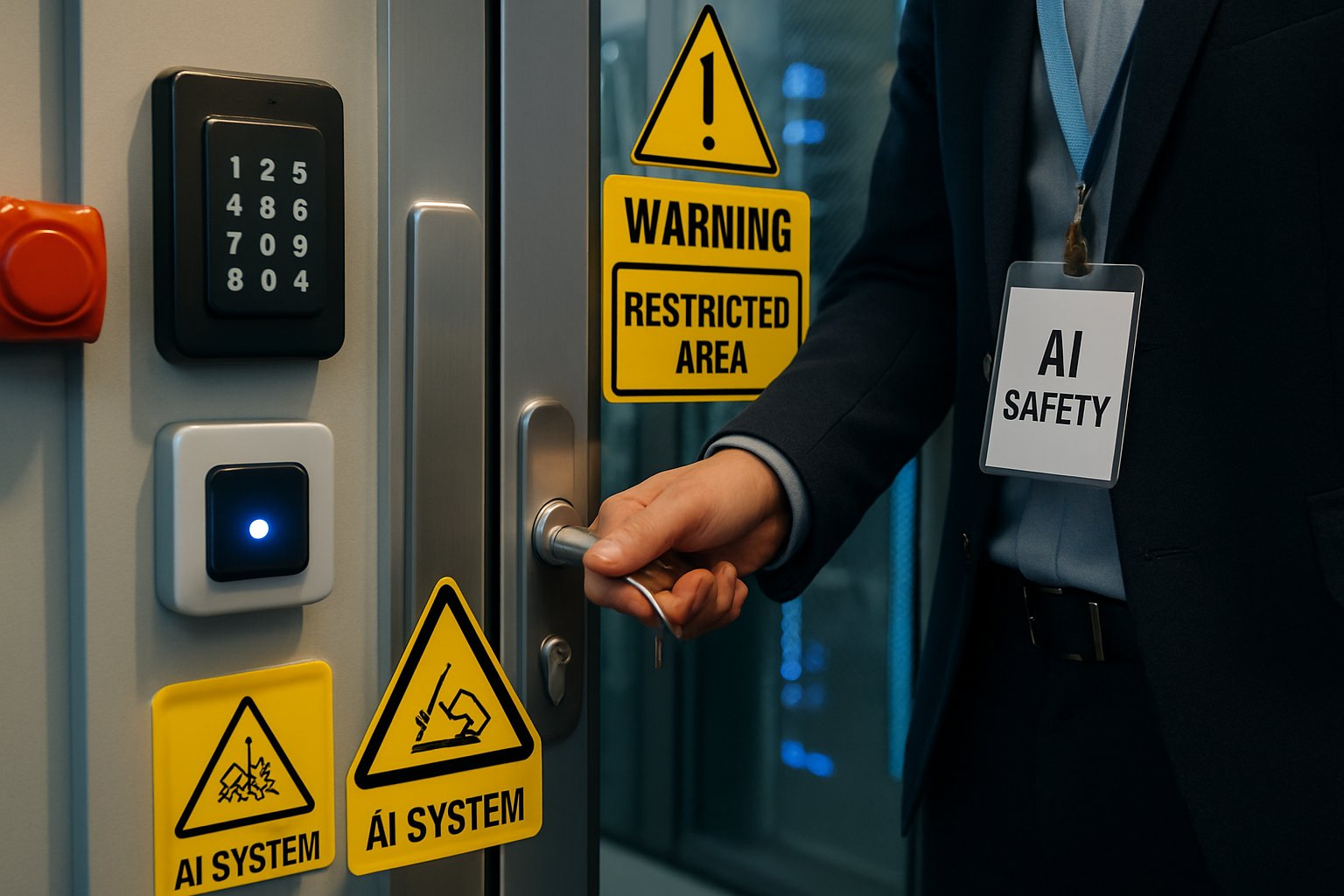
This article unpacks the role, traces leadership churn, and evaluates how the hire could reshape corporate Safety Research. Additionally, we outline skills and certifications practitioners need to keep pace.
Role Stakes Keep Rising
Sam Altman announced the vacancy on X on 27 December 2025. Nevertheless, he warned the job would be "stressful" from day one.
The Head of Preparedness must oversee capability evaluations, threat modeling, and launch gating across cyber, bio, and self-improving domains. Therefore, the remit directly confronts Catastrophic Risk scenarios.
Success means translating Safety Research findings into operational controls that scale across products. In contrast, failure could erode trust and trigger regulatory backlash.
These factors magnify strategic pressure on the incoming executive. However, understanding the framework itself clarifies required competencies.
Preparedness Framework In Depth
The framework tracks new capabilities through structured evaluations. Consequently, engineers test whether models can generate exploit code or synthetic biology instructions.
Next, threat modelers map possible attackers, access paths, and societal impact. Moreover, they prioritize mitigations aiming to reduce the probability of Catastrophic Risk.
Finally, governance teams decide if launch conditions satisfy internal AI Risk Management thresholds. Meanwhile, dashboards monitor post-deployment performance for emerging signals.
- Lead cross-functional testing across cyber, bio, and social domains.
- Translate Safety Research into technical guardrails and policy checkpoints.
- Advise executives on go-no-go release decisions tied to Catastrophic Risk.
- Report metrics to investors and regulators supporting transparent AI Risk Management.
By formalizing these steps, the Preparedness unit aspires to embed proactive safety into everyday engineering. Therefore, the hire must balance speed with prudence.
The framework supplies a robust blueprint. Nevertheless, leadership continuity has remained elusive to date.
Safety Leadership Turnover History
Since 2023, three leaders have cycled through the role. Aleksander Madry was reassigned, Lilian Weng departed, and Joaquin Quiñonero-Candela shifted focus.
Observers argue this churn weakens institutional memory around AI Risk Management. Furthermore, repeated exits raise doubts about executive backing for long-term Safety Research.
OpenAI now faces scrutiny over its commitment even as lawsuits cite alleged chatbot harms. Consequently, the next hire must rebuild credibility quickly.
Leadership volatility underscores cultural and political hurdles. In contrast, technical scarcity compounds the problem.
Talent Search Key Challenges
Finding a candidate fluent in machine learning, biosecurity, and cybersecurity is difficult. Moreover, the person must wield authority to delay releases when Catastrophic Risk spikes.
Industry experts, including Maura Grossman, call the mandate "almost impossible." Nevertheless, competitive pay and mission could attract seasoned operators.
The job specification also demands public communication skills. Therefore, candidates must translate dense Safety Research into plain language for policymakers and media.
- Deep technical expertise across threat domains.
- Experience deploying enterprise AI Risk Management programs.
- Proven track record influencing C-suite roadmaps.
- Resilience under intense public scrutiny.
These requirements narrow the talent pool sharply. However, external pressures make the search non-negotiable.
Wider Industry Risk Context
Regulators worldwide draft rules targeting frontier models. Subsequently, investors demand clear governance to mitigate brand damage.
Lawsuits alleging chatbot-linked self-harm intensify calls for rigorous AI Risk Management. Furthermore, governments explore licensing regimes for systems posing Catastrophic Risk.
Competitors like Anthropic and Google DeepMind expand internal Preparedness teams as well. Consequently, OpenAI cannot afford further delay.
External momentum reinforces the strategic imperative. Therefore, upskilling safety professionals becomes equally vital.
Skills And Certification Pathways
Emerging managers often lack structured training in operational safety. Fortunately, vendor-neutral programs now fill that gap.
Professionals can enhance their expertise with the AI Project Manager™ certification. Moreover, the syllabus covers governance, compliance, and AI Risk Management tooling.
Course modules also address extreme-risk scenarios and translate academic risk studies into actionable playbooks. Additionally, alumni gain peer networks spanning OpenAI and government.
Structured training accelerates talent readiness across the sector. In contrast, strategic oversight remains a board-level concern.
Strategic Takeaways For Leaders
Boards should demand regular briefings on AI Risk Management progress and resourcing. Furthermore, compensation packages must protect the Head of Preparedness from commercial pressure.
Leaders can institutionalize rotating red-team drills, transparent incident disclosure, and independent audits. Consequently, these practices strengthen public trust.
Collaboration with regulators and academia further reduces legal uncertainty. Nevertheless, a single hire cannot substitute for enterprise-wide commitment.
Holistic governance outperforms symbolic moves. Therefore, executives must embed risk thinking across every product cycle.
OpenAI’s hunt for a Preparedness chief reflects a broader maturation moment for commercial AI. Consequently, investors, regulators, and the public now view AI Risk Management as foundational.
Effective leaders will operationalize frameworks, align incentives, and report metrics transparently. Moreover, they will champion continuous improvement rather than one-time audits.
Professionals who upskill early can guide peers through complex launch gates. Therefore, proactive AI Risk Management delivers competitive advantage while protecting society.
Explore advanced certifications and join the conversation shaping responsible intelligence deployment.


