

AI CERTS
2 hours ago
OpenAI’s Pentagon Deal Reshapes AI Defense Market
However, critics warn that speed masks unresolved ethical concerns. Moreover, the shift highlights government leverage over emerging vendors. In contrast, OpenAI insists its strict safeguards will prevent misuse. Meanwhile, legal challenges from Anthropic continue to gather momentum.
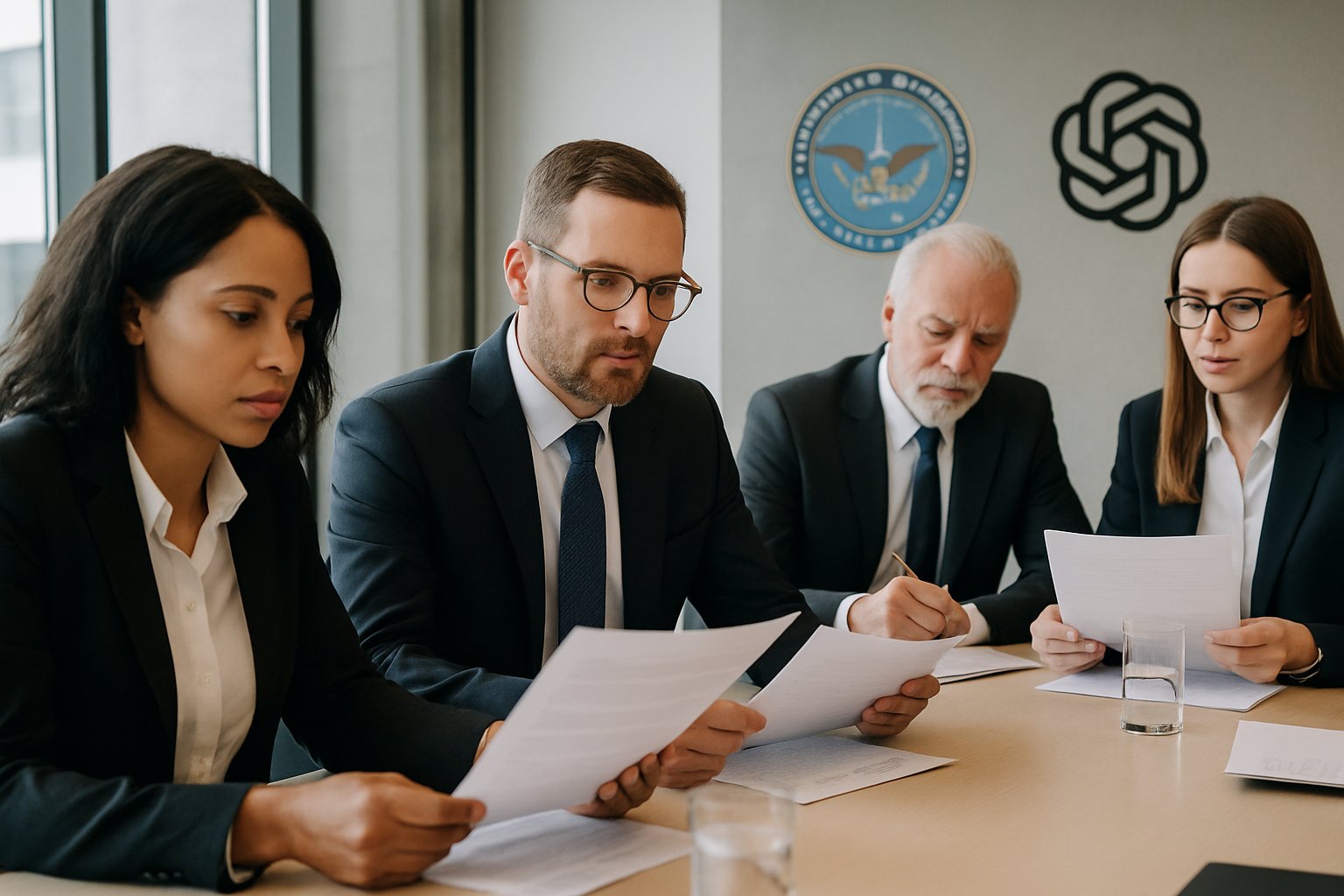
Therefore, executives, policymakers, and engineers must assess what really changed, who benefits, and where new risks arise. Subsequent sections examine the supply-chain designation, contract mechanics, workforce responses, and strategic business fallout. Readers gain a concise yet thorough understanding of how this Pentagon Deal may shape future Military Contracts and AI governance.
Supply Chain Risk Shock
February ended with an unprecedented declaration from Defense Secretary Pete Hegseth. Specifically, the department labeled Anthropic a supply-chain risk, equating the domestic firm with hostile vendors. Consequently, federal agencies received guidance to phase out Anthropic services during a short transition window. Industry observers compared the action with prior telecommunications bans on foreign equipment. However, no U.S. AI company had faced such treatment before.
- Estimated contract value lost: $200 million
- Anthropic valuation before action: ~$380 billion
- Annual federal IT spend context: ~$140 billion
These figures underscore the stakes for both sides. Nevertheless, the designation’s legal foundation remains opaque because the underlying memo stays classified.
The supply-chain label shocked experts and investors alike, setting stage for the Pentagon Deal. Consequently, attention quickly shifted to who would fill the gap.
OpenAI Steps Into Gap
In the vacuum, OpenAI moved with remarkable speed. The firm published a public post outlining its classified deployment terms. Chief executive Sam Altman emphasized three red lines governing permitted uses. Moreover, the company promised cloud-only hosting, a safety stack, and human oversight.
The company claimed these controls align with DoD Directive 3000.09, which mandates human judgment in lethal systems. Additionally, the post asserted that identical terms were offered to other labs, framing the Pentagon Deal as an industry template. Nevertheless, some employees protested internally, arguing that the arrangement blurred civilian research and Military Contracts responsibilities. Altman later admitted communication missteps and vowed clearer messaging. Subsequently, executives began revising external FAQs to placate critics.
OpenAI filled the operational hole but ignited new ethical debates. However, many analysts now focus on the contract’s enforceability.
Contract Safeguards Under Scrutiny
Lawyers and policy scholars quickly dissected the published summary. They noted three explicit prohibitions: mass domestic surveillance, autonomous weapons direction, and high-stakes automated decisions. Furthermore, the safety stack comprises filters, classifiers, logging, and cleared personnel verification. Therefore, the Pentagon Deal ostensibly prevents direct weapons integration.
In contrast, critics argue that cloud-only deployment cannot guarantee downstream compliance once data leaves controlled servers. Moreover, the full contract text remains undisclosed, limiting external validation. Some congressional offices requested the document under oversight powers. Meanwhile, civil-society groups filed Freedom of Information Act petitions. Consequently, uncertainty persists about penalties for misuse or contract breaches in classified Military Contracts.
Safeguards look robust on paper yet depend on hidden clauses. Next, workforce reaction illustrates how perception shapes adoption.
Industry And Workforce Reactions
Tech workers across multiple firms released open letters condemning the designation and replacement. Additionally, hundreds of OpenAI staff demanded a voice in future defense engagements. Sam Altman scheduled town-hall meetings to address concerns and explain strategic motives. Nevertheless, some employees organized quiet walkouts.
Industry trade groups, meanwhile, warned about coercive precedent against safety-focused vendors. In contrast, defense advocates praised rapid restoration of AI capabilities. Public relations teams highlighted that no autonomous targeting would be permitted. Yet skepticism spread across social platforms. Many workers view the Pentagon Deal as a dangerous precedent. Questions surfaced about whether talent would avoid companies pursuing Military Contracts aggressively.
Employee and public sentiment remains divided, pressuring leadership decisions. Therefore, the legal arena becomes the next battleground.
Legal And Policy Fallout
Anthropic signaled an imminent lawsuit challenging the supply-chain risk label. Moreover, Senator Ed Markey demanded hearings to reverse the decision. Observers expect discovery requests that could expose contracting calculations. Consequently, both the Pentagon Deal and the designation may appear in federal court filings.
Policy experts foresee new legislative proposals clarifying vendor risk assessments. Meanwhile, defense officials defend their authority under existing statutes. Sam Altman testified informally to staff that court outcomes will not alter compliance obligations. Company legal counsel prepared briefs anticipating subpoenas about safety enforcement.
Courtrooms and committees will test statutory boundaries and transparency promises. Subsequently, businesses must gauge commercial impacts.
Strategic Business Implications Now
Enterprise buyers watch the dispute closely. Consequently, agencies reliant on Anthropic tools evaluate transition costs. Several departments reportedly migrated pilot workloads to a leading AI vendor under expedited agreements. Additionally, private contractors with classified projects question vendor diversification strategies.
Market analysts predict revenue tailwinds for the company if the Pentagon Deal endures. Nevertheless, long-term gains depend on sustained trust and broad adoption. Companies bidding for Military Contracts may now mirror the safeguard model to satisfy procurement officers.
Procurement dynamics are shifting alongside competitive positioning. Finally, professionals should prepare their skills for new defense AI norms.
Skills For Future Leaders
Industry turbulence heightens demand for managers fluent in AI governance. Therefore, professionals can enhance expertise with the AI Project Manager™ certification. Curricula cover risk assessment, contract negotiation, and operational oversight informed by recent case studies. Case materials profile decisions made by Sam Altman during the Pentagon Deal. Moreover, modules explore compliance frameworks vital to Military Contracts oversight.
Equipped leaders can bridge engineering, legal, and policy teams. Consequently, organizations gain resilience when navigating sensitive defense partnerships.
Targeted education builds capacity amid accelerating government demand. Meanwhile, executives must synthesize lessons into strategic planning.
In conclusion, the Pentagon Deal illustrates how swiftly national security priorities can redefine commercial AI landscapes. Moreover, Anthropic’s designation shows the power Washington wields over vendor fortunes. Nevertheless, built-in safeguards and transparent oversight could balance innovation with responsibility. Therefore, leaders should monitor legal proceedings, refine procurement strategies, and invest in governance skills. Ultimately, staying informed ensures preparedness for the next Pentagon Deal and its ripple effects across future Military Contracts.


