

AI CERTs
2 hours ago
OpenAI’s AI Media Acquisition: TBPN Deal Tests Independence
Rumors of consolidation swirl whenever Silicon Valley platforms eye media outlets.
However, few expected OpenAI to purchase TBPN.
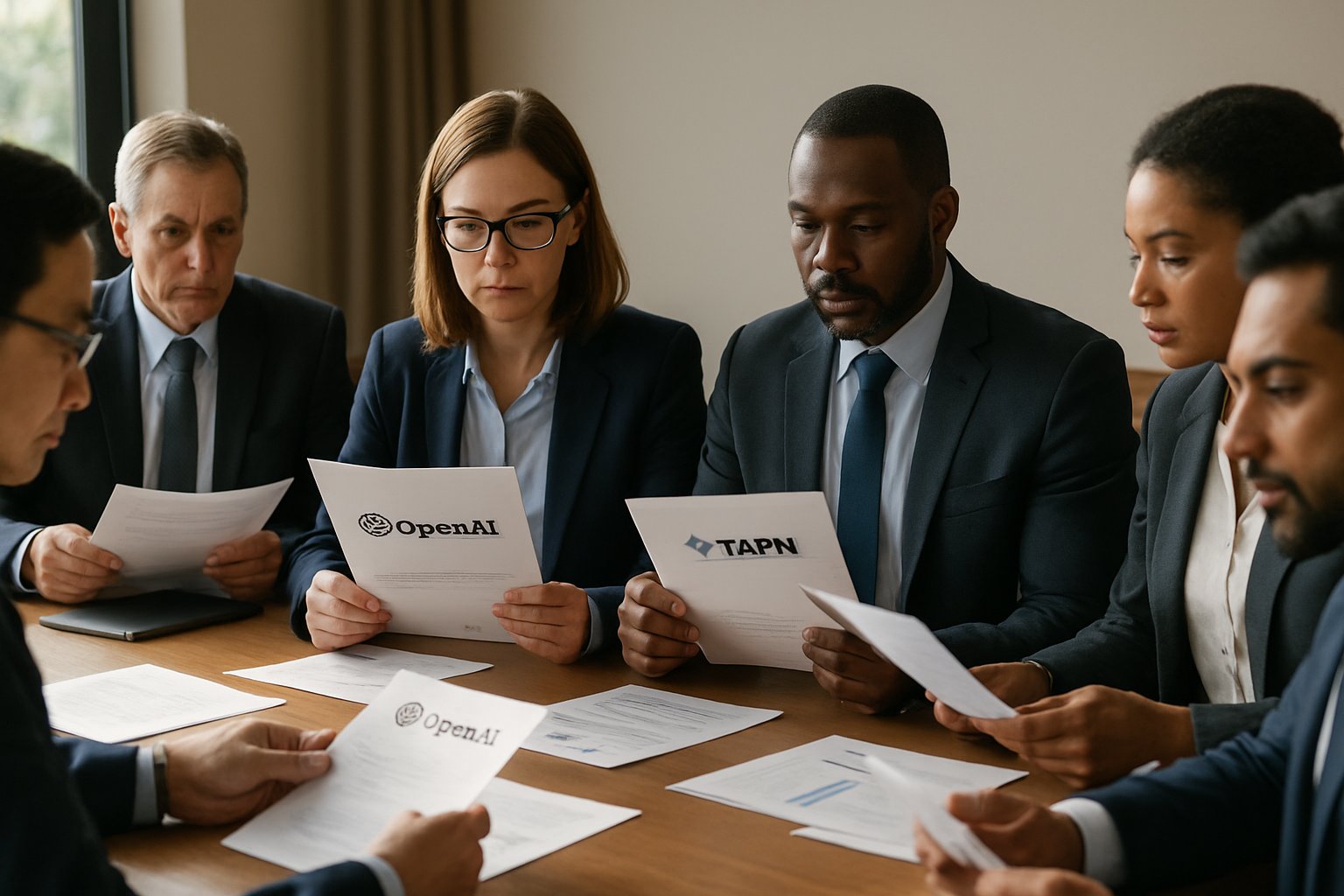
The popular daily Tech News Show is hosted by founders John Coogan and Jordi Hays.
The surprise deal, revealed on April 2, instantly became the year’s defining AI Media Acquisition.
Consequently, industry analysts scrambled to decode the rationale, price, and potential power shifts.
Meanwhile, OpenAI promised TBPN would operate with Editorial Independence despite joining the company’s strategy and Marketing Communications arm.
Such owned-media moves raise credibility questions, yet they also create unprecedented distribution opportunities for Corporate Journalism properties.
This article unpacks the transaction’s strategic motives, disputed revenue numbers, and broad implications for competitors and stakeholders.
Moreover, it assesses the safeguards that could maintain journalistic trust while advancing OpenAI’s messaging goals.
Readers seeking certification context can upgrade skills through the AI Foundation Essentials™ program.
AI Media Acquisition Snapshot
OpenAI disclosed the purchase of TBPN on April 2.
The announcement appeared on the company blog alongside a memo from strategy head Fidji Simo.
TBPN streams live each weekday and averages about 70,000 cross-platform viewers for the Tech News Show.
Sam Altman described the program as his favorite show and promised tough coverage would continue.
Therefore, the AI Media Acquisition instantly offered OpenAI a direct conversation channel with builders and investors.
These facts frame the basic contours of the deal.
However, the deeper strategic motives merit closer inspection.
Strategic Acquisition Motive Analysis
OpenAI framed the purchase as a bid to nurture informed debate about artificial intelligence.
Consequently, housing TBPN within strategy and Marketing Communications aligns content, outreach, and policy messaging.
The team’s broadcast skills complement OpenAI’s text-based updates, expanding narrative formats beyond blog posts.
In contrast, critics argue the AI Media Acquisition also grants OpenAI a subtle propaganda vehicle.
Owned Corporate Journalism platforms can sidestep hostile questions, limiting accountability.
Yet Simo emphasised that TBPN retains Editorial Independence and will continue inviting sceptical guests.
These competing narratives reveal the stakes.
Consequently, revenue mechanics become the next lens.
Editorial Independence Safeguards Examined
OpenAI’s announcement prominently featured the phrase “editorial independence” eight times.
Moreover, Simo pledged that hosts would select guests, questions, and topics without corporate veto.
However, sceptics note that no charter or contractual language was released.
Past AI Media Acquisition cases show verbal promises can fade when conflicts emerge.
Consequently, journalists call for written protections, independent boards, and transparent oversight protocols.
These proposed safeguards would calm critics.
Nevertheless, undisclosed deal terms keep uncertainty alive.
Revenue Projection Figures Disputed
Financial terms of the AI Media Acquisition remain secret.
Axios cited TBPN ad revenue of about five million dollars for 2025 and a fifteen-million target for 2026.
Meanwhile, TechCrunch referenced Wall Street Journal sources claiming a thirty-million run rate.
Neither OpenAI nor TBPN clarified the gap, and journalists continue chasing documents.
- Actual 2025 profit margin and growth rate.
- Advertising pipeline after integration into Marketing Communications.
- Any earn-out clauses tied to audience metrics.
These unresolved numbers complicate valuation analysis.
Consequently, attention shifts to market reaction.
Broader Industry Reaction Roundup
Reuters framed the deal as an unusual pivot for an AI lab already under antitrust scrutiny.
In contrast, some founders applauded the move, citing fresh distribution for entrepreneurial voices.
Corporate Journalism watchdogs expressed fear that coverage of OpenAI rivals might soften.
Nevertheless, guests from Anthropic and Google appeared on TBPN days after the AI Media Acquisition announcement.
These early signals suggest a cautious wait-and-see stance.
Moreover, competitor strategies may soon evolve.
Implications For Market Competitors
Every large model developer watches the AI Media Acquisition for clues about content strategy.
Consequently, rivals might pursue similar Tech News Show partnerships or outright purchases.
Microsoft already funds notable podcasts, while Google leverages YouTube originals.
However, regulators could frown on further concentration of media under dominant AI vendors.
Moreover, advertisers may hesitate to sponsor content controlled by potential competitors.
These competitive dynamics set the stage for an intense 2026 communications arms race.
Subsequently, executives will refine outreach playbooks.
Final Outlook And Actions
OpenAI’s gamble shows how quickly tech giants blur lines between platform and publisher.
The AI Media Acquisition may boost transparency if independence holds, yet it could erode trust if meddling appears.
Consequently, professionals should track revenue disclosures, guest diversity, and any changes to Editorial Independence language.
Moreover, rival firms must prepare contingency media plans in case the next AI Media Acquisition reshapes coverage ecosystems.
Those looking to master the intersection of communications and technology can pursue the AI Foundation Essentials™ certification.
Staying ahead demands constant learning.
Therefore, bookmark this analysis and monitor TBPN’s next editorial moves.


