

AI CERTS
2 hours ago
OpenAI Plagiarism Lawsuit: Penguin Case Reshapes German Copyright
Against that backdrop, stakeholders seek clarity. Authors worry about unpaid reproductions. Investors fear escalating compliance costs. Meanwhile, technologists debate whether large-language models can avoid “memorisation.” This introduction outlines the dispute’s core facts and frames why the OpenAI Plagiarism Lawsuit matters well beyond Germany.
Lawsuit Sets New Stage
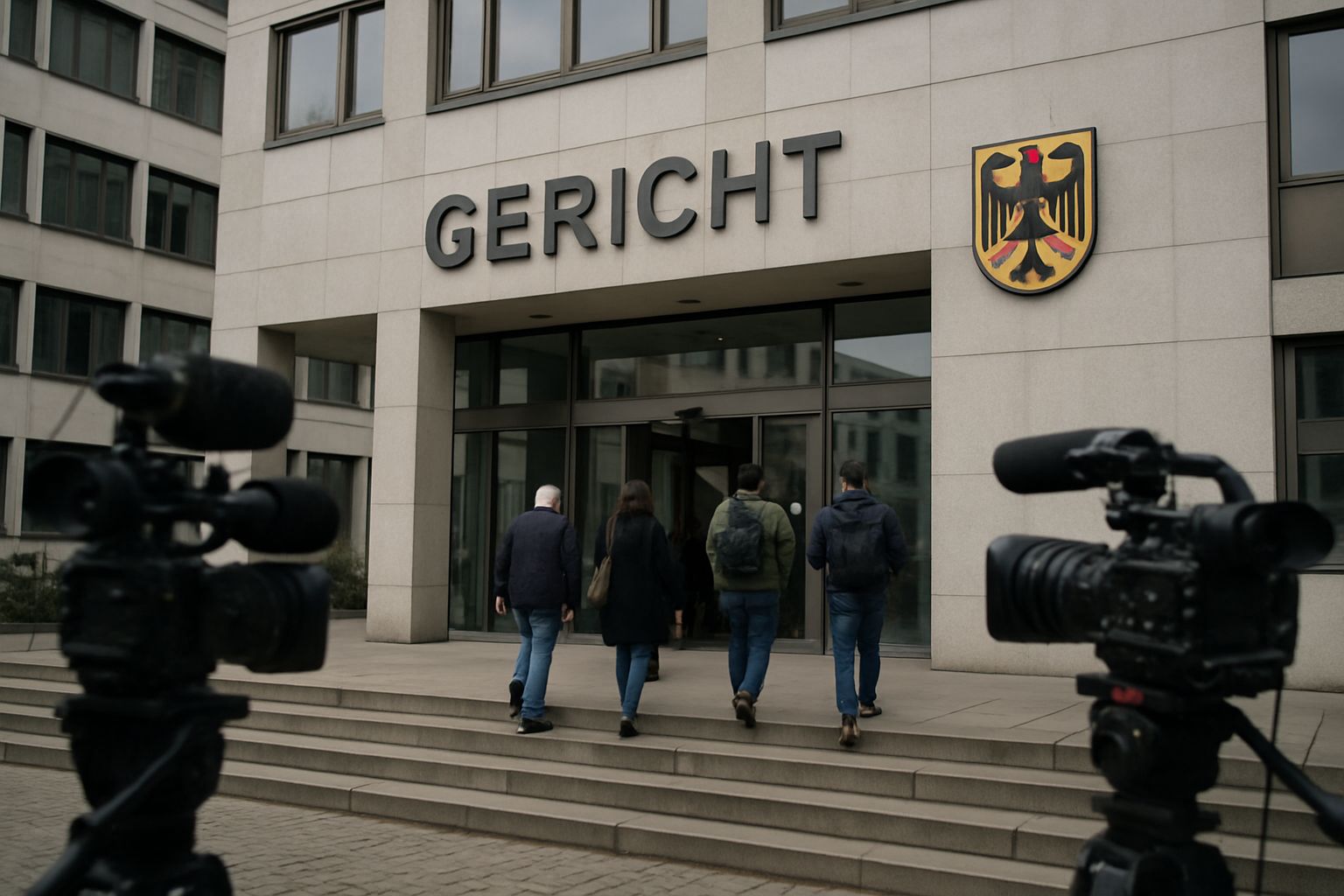
Penguin filed at Munich Regional Court on 27 March 2026. Reporters obtained confirmation through trade press and AFP wires. Moreover, the complaint targets OpenAI Ireland, often the defendant in EU litigation. Plaintiffs claim simple prompts generated passages and art “virtually indistinguishable” from Siegner’s originals. The OpenAI Plagiarism Lawsuit also demands disclosure of training sources and preventive safeguards.
Carina Mathern, speaking for Penguin, stressed openness to AI but insisted creator rights remain paramount. OpenAI provided a brief statement. It said it respects creators and is reviewing allegations. Nevertheless, no immediate takedown occurred. These opening salvos highlight rising tension between generative AI firms and rightsholders. However, prior German copyright rulings suggest courts may lean toward strict protection.
These developments confirm litigation momentum. Consequently, analysts predict similar complaints across Europe.
Key Timeline Filing Details
• 27 Mar 2026 — Complaint filed.
• 31 Mar 2026 — Public reporting begins.
• April 2026 — OpenAI response expected.
• Q3 2026 — Possible preliminary injunction hearing.
The quick progression underscores urgency. Therefore, counsel on both sides face tight deadlines.
Claims Of Direct Reproduction
At the heart lies alleged memorisation. Penguin asserts ChatGPT returned near-verbatim lines from the children’s book adventures. Furthermore, illustrations resembled Siegner’s friendly dragon. Training data transparency forms a core remedy request. The publisher argues unidentified datasets hide systematic copying.
Legal experts link these claims to a November 2025 ruling where a Munich court found song-lyric reproduction unlawful. Consequently, the OpenAI Plagiarism Lawsuit leans on that precedent. Plaintiffs point to similar output behaviour. In contrast, OpenAI often argues outputs are transformative. Nevertheless, verbatim examples weaken that stance.
Two specific concerns emerge. First, users could create production-ready knockoffs without licensing. Second, brand confusion may erode market value. These alleged harms illustrate why Penguin pursues injunctive relief. Moreover, the filing seeks “Auskunft” to learn exactly how often such copying occurs.
Such detailed accusations raise existential questions for model training. However, they also open negotiation pathways.
Training Data Debate Intensifies
Observers split opinions on legality of ingesting copyrighted works. Many U.S. scholars cite fair use. Meanwhile, European jurists reference narrower text-and-data-mining exceptions. Therefore, jurisdiction matters greatly. The OpenAI Plagiarism Lawsuit will test whether German copyright law views memorisation as separate infringement.
Past music cases suggest strict scrutiny. Consequently, AI companies may need comprehensive licences or robust filtering. Professionals can enhance their expertise with the AI Robotics Architect™ certification to navigate such compliance challenges.
These divergent legal theories will guide courtroom argument. Subsequently, global developers must watch the outcome.
German Legal Context Matters
Germany hosts influential copyright jurisprudence. The 2025 GEMA victory against OpenAI over song lyrics set the tone. Moreover, the European Union recently updated digital single-market directives. Those rules emphasise opt-out rights for creators. Consequently, German copyright provisions give plaintiffs procedural weapons.
Industry lawyers note that Munich courts move faster than many peers. Additionally, statutory damages can accumulate quickly. The Anthropic settlement from 2025, valued at $1.5 billion, offers a cautionary benchmark. Although U.S. based, it indicates potential liability scope. Therefore, the OpenAI Plagiarism Lawsuit may drive sizeable financial exposure.
At the same time, European Commission officials evaluate AI Act provisions. Those upcoming rules might mandate disclosure of copyrighted training data. Such regulatory winds strengthen Penguin’s negotiating leverage. In contrast, OpenAI may lobby for broader text-mining exemptions. Nevertheless, momentum currently favours transparency demands.
This context amplifies case significance. Consequently, global publishers track every filing update.
Industry Reactions And Stakes
Publishing houses, collecting societies, and author guilds welcomed the complaint. Many view it as a catalyst for structured licensing schemes. Furthermore, illustrators fear image generators erode commission opportunities. The children’s book sector depends heavily on distinctive visuals. Hence, near-duplicate art threatens long-term income.
Technology investors express different worries. They fear patchwork rulings could fragment model deployment across borders. Moreover, compliance engineering costs might rise. Meanwhile, enterprise users crave reliable legal footing before embedding generative AI in workflows.
Key numbers illustrate possible impact:
- $1.5 billion — Anthropic authors’ settlement (2025).
- 500,000 books — Estimated works covered in that deal.
- €20,000 average statutory damage per infringed German book.
Consequently, even partial liability could translate into hundreds of millions. Nevertheless, structured licences could unlock stable revenue for authors while permitting AI innovation.
These divergent interests shape negotiation pressure. Therefore, market stakeholders prepare contingency plans.
Possible Paths Ahead Now
Several scenarios loom. First, the parties could settle, mirroring Anthropic’s approach. That outcome would likely establish paid licensing tiers. Second, OpenAI might litigate fully, hoping to clarify European limits on training data. However, unfavourable rulings could force model retraining or geographic output filtering.
Third, policymakers could intervene. The EU could accelerate AI Act transparency clauses. Meanwhile, national regulators might issue guidance on memorisation tests. Additionally, collective-rights organisations may broker blanket licences similar to music-streaming deals.
Litigation timelines provide additional clues. German civil cases often see preliminary injunction rulings within months. Subsequently, full trials can last a year. Appeals then proceed to higher regional courts. Therefore, definitive resolution may not appear before 2028. Nevertheless, interim orders could impose immediate operational changes.
These possibilities keep legal teams busy. Consequently, prudent businesses monitor docket movements closely.
The sections above chart complex dynamics. However, opportunities exist for professionals who master emerging compliance standards.
Conclusion And Next Steps
Penguin’s complaint thrusts ChatGPT into another spotlight. Moreover, the OpenAI Plagiarism Lawsuit tests European tolerance for AI memorisation and reproduction. German copyright law, prior music decisions, and staggering settlement precedents all elevate risk. Consequently, publishers worldwide may follow suit if Munich courts favour creators.
OpenAI must now balance innovation with transparency. Meanwhile, creators push for fair compensation. Professionals seeking strategic advantage should study evolving rulings. Furthermore, acquiring specialised credentials proves invaluable. Therefore, consider pursuing the linked AI Robotics Architect™ certification to navigate this fast-moving landscape.
The coming months will reveal whether cooperation or conflict prevails. Stay informed, adapt quickly, and lead responsibly.


