

AI CERTs
2 hours ago
OpenAI GPT-5.3 Instant Sharpens Model Tone for Business Chat
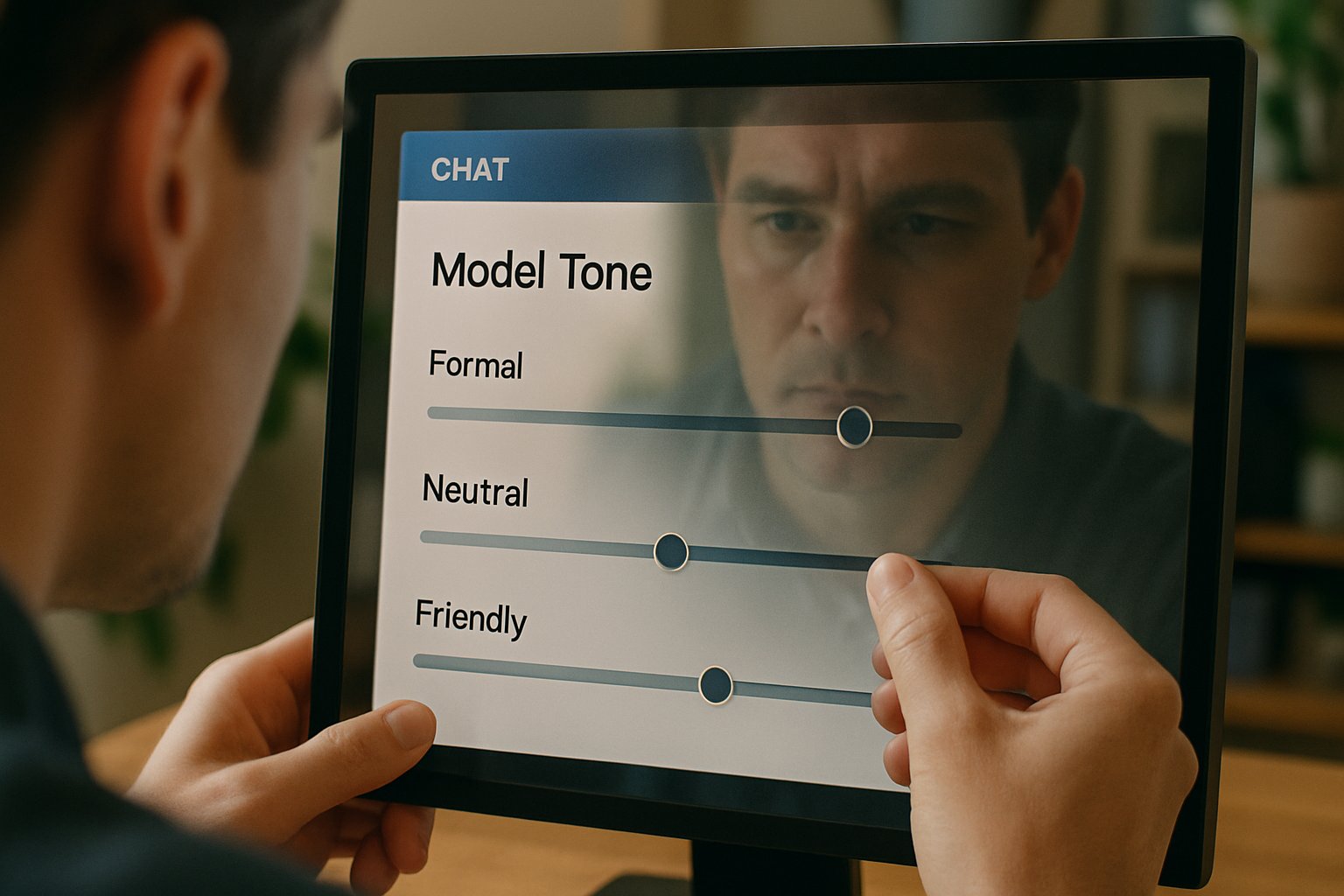
OpenAI has delivered yet another leap in conversational AI. On March 3, 2026, GPT-5.3 Instant replaced the earlier default model. The release targets smoother exchanges, brisker replies, and stricter factuality. Central to these promises is refined Model Tone that cuts preachy disclaimers without discarding caution.
However, professionals want evidence, not slogans. Consequently, this article dissects the launch data, early metrics, and business stakes. Additionally, it addresses ongoing debates around Hallucination, safeguards, and interface experience. Read on for a concise yet thorough field report.
Instant Model Tone Impact
GPT-5.3 Instant sits within OpenAI’s high-throughput family dubbed “Instant models.” Therefore, latency stays low while context remains broad. Developers already see faster exchanges versus GPT-5.2 Instant.
OpenAI highlighted three goals: improved flow, trimmed refusals, and stronger factual grounding. Moreover, internal benchmarks show a 26.8% Hallucination drop in medicine, law, and finance when web access is active. Without web, the decrease still reaches 19.7%.
Refined Model Tone underpins these shifts by removing verbose caveats but leaving essential Guardrails intact. In contrast, GPT-5.2 often opened with safety sermons that disrupted conversation rhythm. Users now receive direct answers that remain policy compliant.
In brief, faster turnarounds and sharper Model Tone raise everyday utility. Consequently, adoption is poised to climb. These performance gains spotlight reliability questions, which the next section unpacks.
Hallucination Metrics In Depth
Evaluating truthfulness remains complex. Nevertheless, OpenAI supplied headline percentages and promised public test sets later. Meanwhile, independent labs want raw prompts before confirming the Hallucination reductions.
The most cited figures include:
- 26.8% fewer critical-domain errors when the model uses the web.
- 19.7% fewer errors without web augmentation.
- 22.5% user-reported Hallucination drop with web search enabled.
- 9.6% user-reported drop without web support.
Moreover, these scores rely on proprietary datasets that remain private for now. Consequently, external audits are essential to validate OpenAI’s claims. Organizations like Stanford HELM and ARB will likely replicate the tests once materials appear.
These numbers suggest Model Tone improvements correlate with factual accuracy. In summary, transparency lags behind impressive percentages. The debate on Guardrails versus brevity comes next.
Guardrails Versus Directness Debate
Reducing disclaimers sparked immediate discussion among safety researchers. In contrast, many end-users applauded the terser replies. OpenAI insists foundational controls still block disallowed requests and high-risk content.
Furthermore, the GPT-5.3 Instant system card labels the model medium bio risk and high cybersecurity capability. Therefore, usage funnels through Trusted Access programs for sensitive domains. Those controls supplement the conversational Guardrails already embedded.
Critics fear that a bolder Model Tone could mask uncertainty in edge cases. These measures aim to balance openness and security. Consequently, policy refinements will continue as feedback arrives. The next section explores how the Codex Update extends these ideas to code generation.
Codex Update Advances Speed
While GPT-5.3 Instant improves chat, GPT-5.3-Codex targets code. Released February 5, 2026, the Update blends GPT-5.2 reasoning with expanded agentic tooling. Moreover, throughput rose about 25% thanks to optimized inference pipelines.
Benchmark results highlight the jump. SWE-Bench Pro shows a marginal lift to 56.8%, yet Terminal-Bench rose from 64.0% to 77.3%. Additionally, OSWorld-Verified surged to 64.7%, nearly doubling prior accuracy.
Key infrastructure factors:
- NVIDIA GB200 clusters power primary training runs.
- Cerebras WSE-3 chips host the Codex-Spark preview.
- OpenAI claims >1,000 tokens per second from Spark.
Consequently, developers can prototype, test, and deploy within a single IDE loop. Real-time feedback strengthens Model Tone consistency across code comments and documentation. However, safety checks remain identical to the chat variant.
In short, the Update expands performance without sacrificing alignment. Therefore, attention shifts to how users experience the new Interface, examined next.
Interface Changes For Developers
ChatGPT now defaults to GPT-5.3 Instant for all paid tiers. Consequently, the Interface feels snappier, with average response times under a second. Developers can still select GPT-5.2 Instant under “Legacy Models” until June 3, 2026.
Meanwhile, the API exposes the new model under gpt-5.3-chat-latest. Moreover, usage costs remain identical to its predecessor. Platform parity across web, iOS, and Android reduces onboarding friction.
OpenAI also added a collapsible citation panel that surfaces evidence links. Therefore, power users verify facts without scrolling. Additionally, conversational memory cues now appear as subtle gray chips within the UI, improving context awareness.
Moreover, a consistent Model Tone across devices helps enterprises maintain voice. Collectively, these tweaks nudge productivity upward.
Certification Path Forward Now
Teams adopting GPT-5.3 often pair deployment with targeted training. Professionals can enhance their expertise with the AI+ UX Designer™ certification. The program covers prompt orchestration, safety policies, and lean UI prototyping.
Moreover, it aligns with OpenAI’s recommended design patterns. Consequently, graduates can steer Model Tone toward brand consistency. Additionally, certification signals commitment to responsible deployment for clients.
GPT-5.3 Instant and its Codex siblings mark OpenAI’s most significant stride since GPT-5.2. Furthermore, early data shows meaningful drops in Hallucination alongside measurable latency gains. Nevertheless, independent audits must still verify safety, Guardrails strength, and real-world robustness. Meanwhile, the refined Model Tone already boosts engagement across chat, code, and mobile surfaces. Consequently, companies that upskill staff and iterate workflows quickly will seize productivity advantages. Explore certification options today and embed best practices before competitors surge ahead.


