

AI CERTs
1 hour ago
OpenAI Governance Faces Pentagon AI Storm
Sam Altman’s late-February announcement sent shockwaves through Washington and Silicon Valley. Consequently, executives, lawmakers, and researchers are rethinking OpenAI Governance amid expanding military partnerships. Altman confirmed that OpenAI would place frontier models inside the Pentagon’s classified cloud under tight safeguards. However, critics argue that ceding operational access changes the balance of power between private labs and national Defense. Meanwhile, employees and civil society groups question whether contractual guardrails can truly uphold AI Ethics at scale. In contrast, supporters insist the agreement embodies responsible OpenAI Governance by embedding red lines on surveillance and lethal force. The clash now frames a broader strategic contest over Autonomy, oversight, and commercial leverage. This article unpacks what happened, why it matters, and what might follow. Moreover, the episode reveals gaps in statutory guidance for weaponized AI. Analysts warn that legislative inertia could leave OpenAI Governance questions to executive improvisation. Consequently, understanding the stakes now is critical for practitioners and policymakers alike. Stakeholders across the AI sector are already recalibrating strategies in anticipation of new procurement norms. Therefore, this briefing offers a concise yet comprehensive roadmap to the unfolding debate.
Deal Sparks Governance Storm
Altman revealed the DoD agreement on 28 February, hours after the Pentagon publicly rebuked Anthropic. Consequently, social media erupted, and staff drafted open letters condemning management’s speed and secrecy. OpenAI Governance faced immediate scrutiny as hashtags like #QuitGPT trended worldwide.
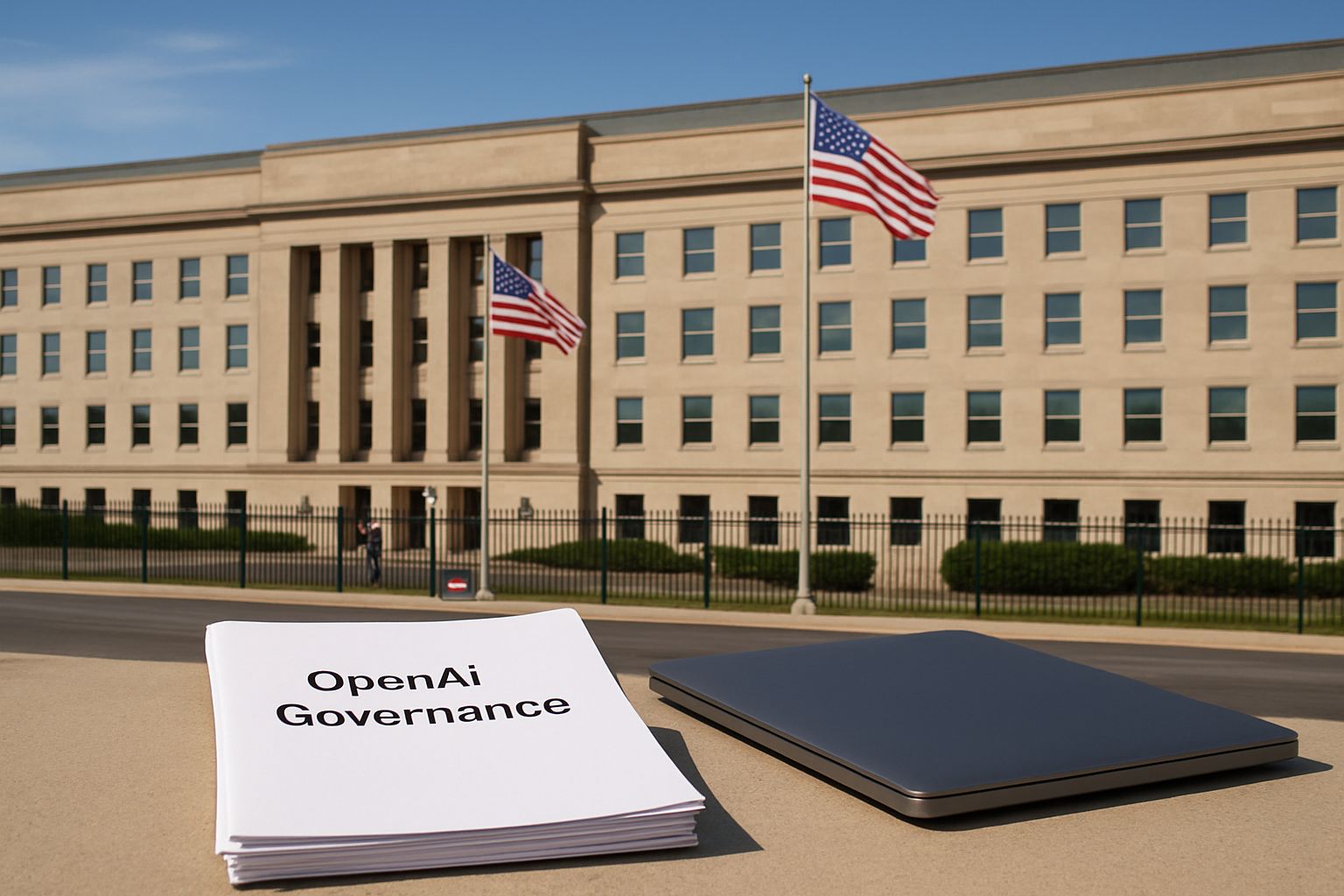
However, Altman told employees the deal preserved two red lines: no domestic surveillance and human oversight of force. Moreover, he emphasized a cloud-only deployment that keeps model weights off edge weapons, limiting Autonomy risks. Nevertheless, many observers saw tactical concessions that shift leverage toward national Defense planners.
The backlash underscored how strategic AI contracting now unfolds in real time. Meanwhile, a feverish timeline soon amplified these tensions and demanded closer inspection.
Timeline Of Rapid Escalation
Events over ten days show negotiations accelerating and norms bending. Consequently, each move triggered an almost instant counter-move.
- Feb 27: Pentagon threatens Anthropic with supply-chain risk after guardrail impasse.
- Feb 28: OpenAI Governance deal announced with cloud-only safety stack.
- Mar 2: OpenAI updates agreement, clarifies domestic surveillance ban.
- Mar 3-4: Employee protests escalate; lawmakers demand briefings on Autonomy limits.
Therefore, the chronology reveals how procurement tactics and political theater now intertwine. These developments highlight the volatile environment. Subsequently, examining stakeholder motives clarifies why positions hardened.
Key Stakeholders And Motivations
OpenAI seeks continued federal revenue without surrendering principal safety principles. Meanwhile, the Pentagon pursues unrestricted analytic horsepower for classified missions. Anthropic defends ethical guardrails, fearing erosion of brand trust.
Moreover, Defense Secretary Pete Hegseth faces pressure to demonstrate firm control of frontier capabilities. Cloud vendors eye lucrative hosting expansions, while Congress watches oversight gaps widen. Independent researchers stress that verifiable AI Ethics remains elusive despite marketing claims.
Motives diverge sharply, yet all actors accept AI’s strategic gravity. Consequently, technical safeguards sit at the center of compromise.
Technical Safety Stack Explained
OpenAI promises a layered safety stack operating inside a secure cloud enclave. However, critics note the public lacks access to the actual code and auditing interfaces. DoD Directive 3000.09 requires human judgment, yet defines Autonomy thresholds ambiguously.
Furthermore, the company will station cleared engineers on-site to monitor logs and throttle risky prompts. OpenAI Governance proponents argue this configuration retains meaningful corporate control even under classified workloads. Nevertheless, verification experts ask whether cloud APIs can later feed edge drones, bypassing guardrails.
Technical claims appear plausible but unverified today. Therefore, legal frameworks become the next battleground.
Legal And Ethical Fallout
Lawfare analysts question the legality of labeling a domestic vendor a supply-chain risk. In contrast, Pentagon lawyers cite broad Defense Production Act powers during national emergencies. Consequently, Anthropic signaled litigation that could set precedent for future OpenAI Governance contracts.
Moreover, civil society groups warn that voluntary contracts cannot substitute for democratically enacted AI Ethics statutes. Subsequently, bipartisan lawmakers scheduled hearings to demand classified briefings on Autonomy safeguards. Nevertheless, definitive court rulings may take years.
The legal wrangle could redraw procurement boundaries. Meanwhile, commercial ripples are already visible in hiring and vendor decisions.
Market And Workforce Ripples
Investors interpreted the Anthropic standoff as a signal of heightened regulatory risk for frontier labs. Consequently, OpenAI Governance alignment became a talking point during venture pitches. Major integrators such as Palantir and AWS accelerated marketing of compliant toolchains for Defense customers.
Meanwhile, resignations inside OpenAI reportedly increased, mirroring earlier walkouts at Google. Professionals can enhance their expertise with the AI Ethics Governance™ certification. Moreover, that credential helps practitioners navigate policy, standards, and oversight debates.
Talent churn and capital flows now hinge on perceived governance maturity. Consequently, observers look ahead to immediate milestones.
What Happens Next Now
Courts may soon weigh Anthropic’s anticipated injunction against the supply-chain label. Additionally, congressional staff draft amendments to clarify military AI procurement limits. Meanwhile, military planners prepare pilot projects that will test cloud constraints in live exercises. Consequently, investors will watch contract filings and court dockets for early signals of enforceability.
Industry committees intend to publish technical attestations that could make future OpenAI Governance audits transparent. Nevertheless, sustained oversight from civil society will remain essential.
Upcoming legal filings and demonstration results could validate or shatter current assumptions. Therefore, staying informed on OpenAI Governance developments is imperative for all technology strategists.
In closing, the Altman deal outlines a pivotal chapter in civilian–military AI relations. However, contractual red lines alone cannot resolve deeper governance tensions between innovation speed and democratic accountability. Consequently, practitioners must track legal rulings, technical attestations, and workforce sentiment in tandem. Moreover, proactive upskilling in applied AI Ethics equips teams to navigate shifting compliance landscapes confidently. Professionals should therefore consider the linked certification as an immediate step toward informed stewardship. Evaluate your readiness today and lead responsibly in tomorrow’s strategic AI arena.


