

AI CERTS
3 months ago
OpenAI-Foxconn Deal Reshapes Hardware Supply Chain
Meanwhile, Foxconn gains a platform to expand beyond consumer electronics into high-margin AI infrastructure. This article unpacks the rationale, stakes, and potential industry ripple effects of the headline deal. It also explores open risks and professional opportunities created by the ambitious partnership. Figures cited derive from company statements, market research, and reputable media reporting.
Deal Overview And Context
OpenAI’s statement on 20 November outlined three core pillars of the new collaboration. Firstly, the partners will co-design multiple rack generations tailored for accelerator-dense AI workloads. Secondly, they intend to strengthen U.S. testing, assembly, and small-batch production ahead of full rollouts. Thirdly, Foxconn will explore domestic manufacturing of cabling, networking, cooling, and power modules. Moreover, OpenAI retains early evaluation rights and the Hardware Supply Chain option without immediate monetary obligations. Foxconn’s 21 November release confirmed identical terms and highlighted its global manufacturing scale of USD 208 billion revenue. Consequently, market observers describe the announcement as a calculated test rather than a definitive procurement contract. Nevertheless, the move positions both firms to influence regulatory debates on reshoring critical electronics. These details clarify scope yet also spotlight open commercial questions. However, wider supply implications merit deeper scrutiny.
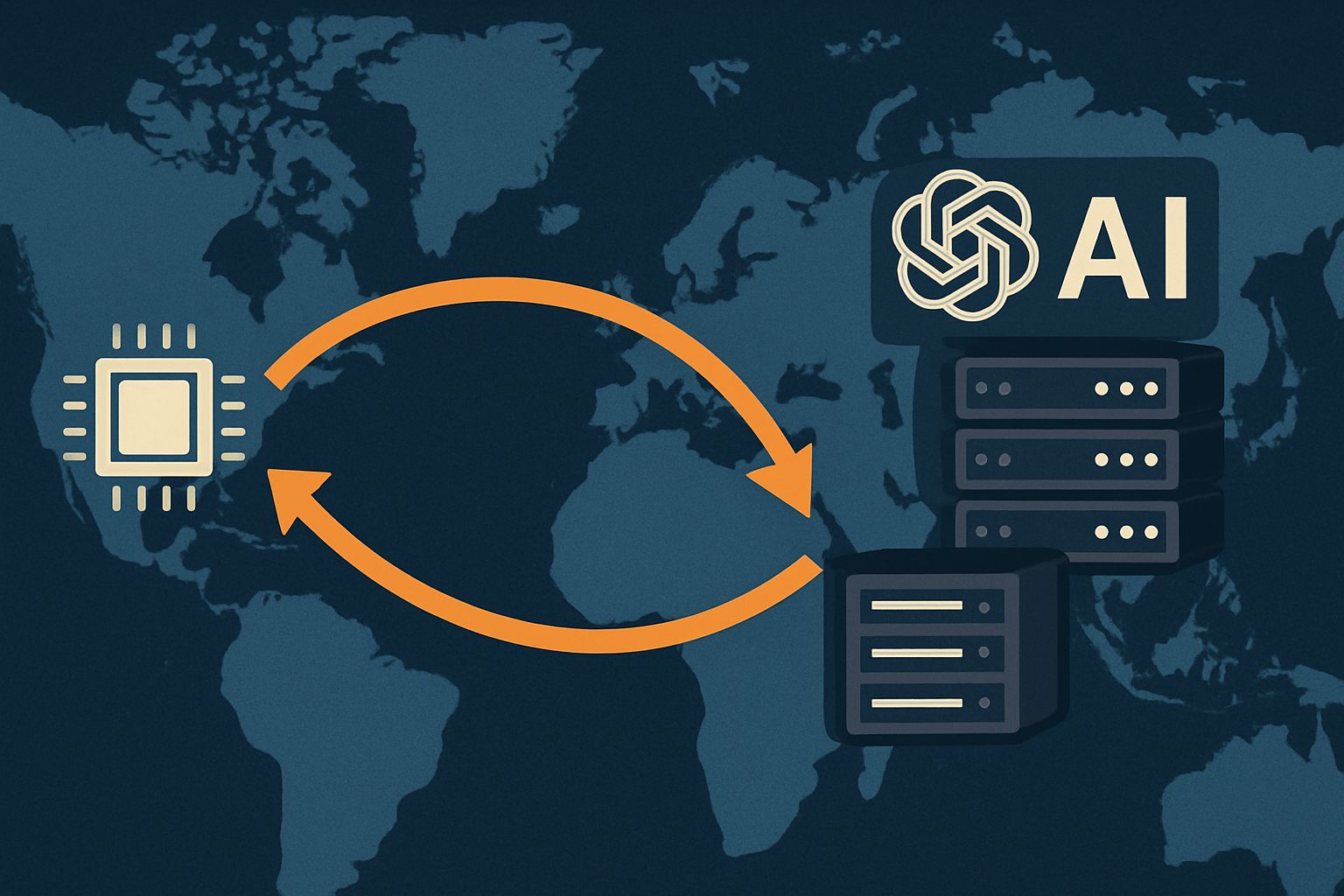
Strategic Hardware Supply Chain
The global Hardware Supply Chain faces unprecedented strain from soaring AI demand. Consequently, OpenAI seeks to shorten iteration cycles by redesigning racks alongside the assembler, then assembling within U.S. borders. In contrast, traditional server models rely on multistage offshore assembly, which elongates shipping timelines and complicates compliance. Furthermore, Foxconn already operates Wisconsin and Ohio sites that could anchor AI factories dedicated to rack assembly. Such proximity allows rapid prototype feedback, tighter NDA enforcement, and quicker component substitutions when upstream shortages emerge. Moreover, localized cabling and cooling fabrication reduces logistic emissions while creating skilled U.S. electronics roles. Therefore, the partnership illustrates how advanced AI factories and the Hardware Supply Chain can evolve mutually. These strategic mechanics signal potential manufacturing resurgence. Subsequently, market growth dynamics warrant examination.
AI Market Growth Drivers
TrendForce projects AI server value at nearly USD 298 billion in 2025. Grand View Research estimates comparable compound growth above thirty percent across the decade. Moreover, Foxconn reports double-digit quarterly expansion in cloud and networking revenue, driven by accelerator-heavy electronics. Consequently, suppliers able to guarantee volume AI rack delivery capture premium margins. OpenAI’s appetite for compute already commands multi-billion hardware budgets, pushing demand visibility further upstream. In contrast, lagging capacity forces cloud providers to queue scarce GPUs and specialised memory. Therefore, alliances that tighten the Hardware Supply Chain could influence accelerator allocation negotiations. Key incentives motivating stakeholders appear below.
Key Supporting Data Points
- TrendForce forecasts AI servers nearing 70 % of total server revenue by 2026.
- Foxconn’s cloud segment grew 19 % year-on-year in the latest quarter.
- OpenAI has signaled multibillion-dollar infrastructure budgets across several fiscal cycles.
- Grand View predicts 30 % compound growth for AI server shipments through 2030.
These figures confirm explosive demand momentum. However, every projection assumes timely capacity investments. That dependency leads directly to risk analysis. Collaboration among hyperscalers and manufacturers intensifies to secure favored delivery slots.
Key Risks And Unknowns
The collaboration still lacks binding volume or price commitments. Therefore, Foxconn must plan factories without guaranteed orders, raising financing uncertainty. Additionally, GPU and high-bandwidth memory shortages continue to constrain upstream electronics production. Meanwhile, energy availability for dense racks varies across U.S. grids, complicating site selection. In contrast, offshore plants often reside near established high-capacity substations. Moreover, Foxconn’s labor record invites heightened regulatory and media scrutiny as domestic production scales. Environmental compliance costs could further influence capital decisions. Nevertheless, federal CHIPS Act incentives may offset some risk if applications succeed. Collaboration terms may shift if geopolitical tensions escalate. These vulnerabilities illustrate execution hurdles. Consequently, stakeholders are watching concrete milestones closely. Such vigilance informs the next actionable checkpoints.
Monitoring The Next Steps
Analysts propose several near-term indicators to gauge traction. Firstly, signed purchase orders from OpenAI would validate demand projections. Secondly, Foxconn's announcement of specific U.S. capex budgets would confirm factory commitment. Thirdly, prototype rack benchmarks demonstrating compatibility with Nvidia and AMD accelerators would reassure integrators. Additionally, state economic development filings could reveal incentive packages and hiring timelines. In contrast, prolonged silence may suggest evaluation hurdles or shifting priorities. Therefore, monitoring public filings and supply-chain chatter becomes essential for hardware buyers. These checkpoints help investors and engineers calibrate expectations. Subsequently, professionals can adjust roadmap decisions proactively. Focused skill development complements such tactical monitoring.
Professional Upskilling Opportunities Ahead
Accelerated domestic manufacturing will increase demand for multidisciplinary leaders. Consequently, supply chain managers must understand AI workloads, thermal engineering, and regulatory incentives. Moreover, product owners need fluency in electronics production economics. Professionals can deepen strategic capability through the Chief AI Officer™ certification. Additionally, coursework covers risk governance, vendor negotiation, and AI factories capacity planning. Therefore, graduates position themselves for leadership roles within the evolving Hardware Supply Chain. Meanwhile, engineers should pursue liquid cooling and power distribution micro-credentials. These skills directly map to Foxconn’s planned AI factories. Consequently, a talent pipeline emerges to support localized rack production. This preparation safeguards project timelines.
OpenAI and Foxconn have drawn a bold blueprint for a domestically anchored Hardware Supply Chain. If successful, the initiative will demonstrate how agile collaboration can rewire the Hardware Supply Chain for AI scale. However, execution risks around component shortages, energy access, and financing remain substantial. Therefore, stakeholders must monitor purchase orders, capex announcements, and technical benchmarks over the coming quarters. Moreover, professionals who upskill now will seize leadership opportunities as the refreshed Hardware Supply Chain takes shape. Explore relevant certifications and stay informed to remain competitive in this rapidly evolving domain.


