

AI CERTs
2 hours ago
OpenAI Codex App Boosts Agentic AI Workflows
OpenAI just placed a new stake in the agent race. On 2 February 2026, the company released the Codex desktop app for macOS. The tool offers a command center for multiple coding agents running simultaneously. Consequently, developers can orchestrate long tasks without drowning in terminal windows. This launch exemplifies Agentic AI moving from browser plugins to dedicated native environments. Furthermore, OpenAI promises background Automations, Git worktree integration, and strong security sandboxes. Meanwhile, more than a million developers already test Codex each month. Analysts view the desktop shift as essential for Parallel Processing workflows across complex repositories. However, the macOS exclusivity raises adoption questions for Windows-centric engineering teams. The following report unpacks features, risks, and industry implications.
Codex App Launch Impact
OpenAI framed the desktop app as the missing control tower for Codex. Therefore, engineers can spin up many Agentic AI threads per project and observe live diffs. Each thread occupies its own Git worktree, avoiding merge chaos. Additionally, the architecture emphasizes Parallel Processing to keep multiple agents responsive.
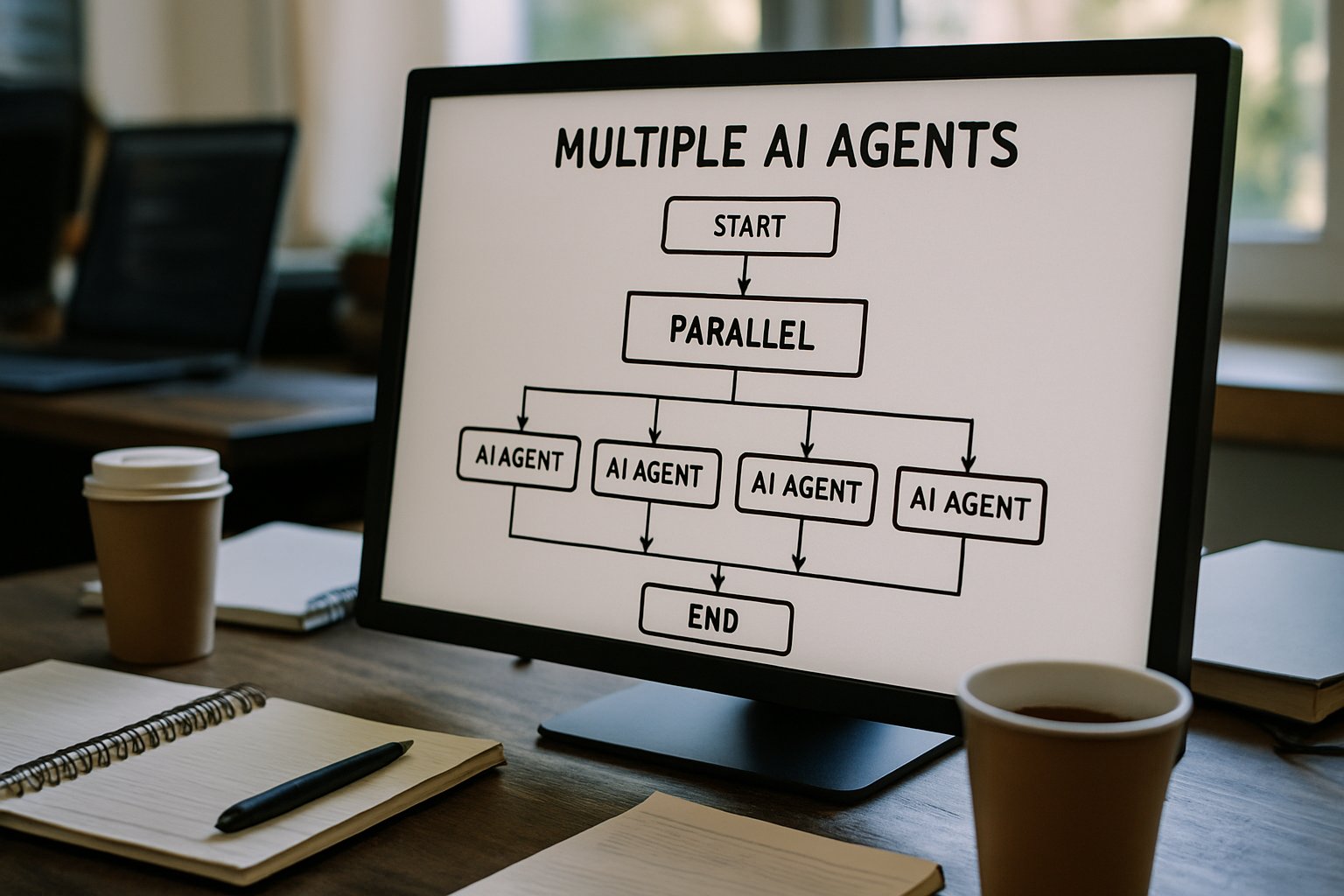
More than a million developers experimented with Codex last month, according to OpenAI's metrics. Usage doubled after the GPT-5.2-Codex model upgrade in December 2025. Consequently, market momentum felt ripe for a richer interface.
Sam Altman told reporters that sophisticated work demands convenient surfaces. He argued the desktop experience finally unlocks the model’s depth for Agentic AI practitioners. In contrast, rival products from Anthropic and GitHub already lived on macOS.
The launch positions Codex as a serious multi-agent hub. However, feature depth warrants close inspection. Let’s examine those capabilities in detail next.
Core Multi Agent Features
Codex threads run independently yet remain contextually linked within the desktop workspace. Moreover, users can pause or resume each agent without harming others. Such threading embodies the core promise of Agentic AI for complex codebases.
- Multi-thread dashboard with live diffs
- Worktree isolation for conflict-free commits
- Reusable skills library for deployments and design fetches
- Sandboxed Agentic AI operations with permission requests
Collectively, these tools turn the app into a modular Agentic AI workstation. Consequently, teams can codify standards rather than reinventing prompts daily. The feature stack highlights flexibility and speed. Consequently, Codex advances agent workflows beyond earlier CLI surfaces. Next, we assess how security and governance keep that velocity sustainable.
Security And Governance Concerns
OpenAI ships the desktop app with system-level sandboxes enabled by default. Administrators can restrict network calls, environment variables, and secret access per project. Furthermore, every agent must request elevated permissions before touching sensitive resources.
Reviewers inspect diffs in an approval queue before merges land. Therefore, human oversight remains central despite autonomous execution. Nevertheless, misconfigured policies could allow destructive scripts to slip through.
OpenAI recommends skills libraries be audited regularly. Enterprise customers also gain compliance APIs for traceability. Such tooling supports Agentic AI at scale within regulated industries.
Security architecture offers strong defaults yet still demands disciplined configuration. Consequently, governance planning should start before pilot projects expand. With risks outlined, competitive dynamics deserve equal attention.
Competitive Landscape Rapidly Shifts
The desktop move arrives amid an escalating multi-agent arms race. Anthropic already offers Claude Code, a macOS native hub with similar threads. In contrast, GitHub plans Agent HQ for comparing several providers in one pane.
OpenAI benefits from brand momentum and substantial model performance. However, benchmarks reveal task-specific strengths across vendors. Therefore, teams may adopt heterogeneous stacks combining Codex with rivals.
Parallel Processing proves a common value proposition throughout these offerings. Meanwhile, licensing differences and Windows support could sway procurement decisions.
Competition will likely push rapid interface and pricing updates. Consequently, buyers should track roadmaps closely. Hard numbers on adoption help decode those trajectories.
Real World Adoption Metrics
OpenAI cites over one million monthly developers interacting with Codex services. Usage doubled after GPT-5.2-Codex arrived in December. Nevertheless, the company has not published enterprise versus hobbyist breakdowns.
Early testers praise faster Parallel Processing when long test suites run in background Automations. However, several developers complained about high memory usage on older M1 machines. OpenAI says optimisation updates will roll out weekly. Many believe such gains illustrate Agentic AI moving from hype to habit.
Upcoming Windows Release Timeline
Windows support is promised but lacks a date. Consequently, organisations heavily invested in Microsoft stacks remain cautious. Altman stated that a beta build could emerge by summer. Meanwhile, GitHub’s cross-vendor Agent HQ may cushion that gap.
Adoption figures impress yet still mask segment nuance. Therefore, further transparency will guide procurement roadmaps. Strategic recommendations follow for teams evaluating Codex.
Strategic Takeaways For Teams
Engineering leaders must weigh productivity, security, and cost. Moreover, change management will influence success even with brilliant tooling.
- Start with a small repository to calibrate Agentic AI outputs and review cycles.
- Define permission policies before enabling network calls or deployment skills.
- Monitor compute budgets, because intense Parallel Processing threads can spike usage.
- Document reusable skills for consistency and audit trails.
- Upskill writers and reviewers through the AI Writer™ certification to craft clear prompts and reviews.
These guidelines condense field lessons from early adopters. Consequently, teams can shorten experimentation cycles and secure quick wins. Solid governance and incremental rollouts maximise Codex value. In contrast, big-bang switches risk productivity stalls. The following conclusion rounds out the analysis.
OpenAI’s Codex desktop app brings autonomous coding agents into daily workflows. Productivity gains arise from Parallel Processing, reusable skills, and vigilant governance. Security sandboxes and diff reviews mitigate many operational fears. Competitive pressure will likely refine every vendor offering this year. Nevertheless, Codex currently enjoys strong momentum and generous rate limits. Teams embracing Agentic AI early can shape standards and capture learning curves before rivals. Therefore, audit your repositories, define guardrails, and begin a controlled pilot. For deeper expertise, consider the linked certification and stay tuned for ongoing coverage.


