

AI CERTS
7 hours ago
Nvidia Funds CoreWeave Infrastructure Buildout With $2B
Meanwhile, critics question whether the financial engineering masks circular revenue loops. Furthermore, the agreement cements CoreWeave as a flagship deployment venue for Nvidia Rubin accelerators and Vera CPUs. Industry veterans describe these AI factories as the modern foundries of digital intelligence. Moreover, the capital infusion arrives during an acute shortage of high-density data-center power. Investors now watch execution risks, energy access, and geopolitical supply chains with heightened focus. This article unpacks the numbers, motivations, and possible outcomes for all stakeholders.
Infrastructure Buildout Deal Overview
Nvidia purchased 22.9 million CoreWeave Class A shares at $87.20 each. Therefore, the gross consideration equals exactly $2 billion.
- Investment size: $2 billion equity
- Purchase price: $87.20 per share
- Capacity target: 5 GW+ by 2030
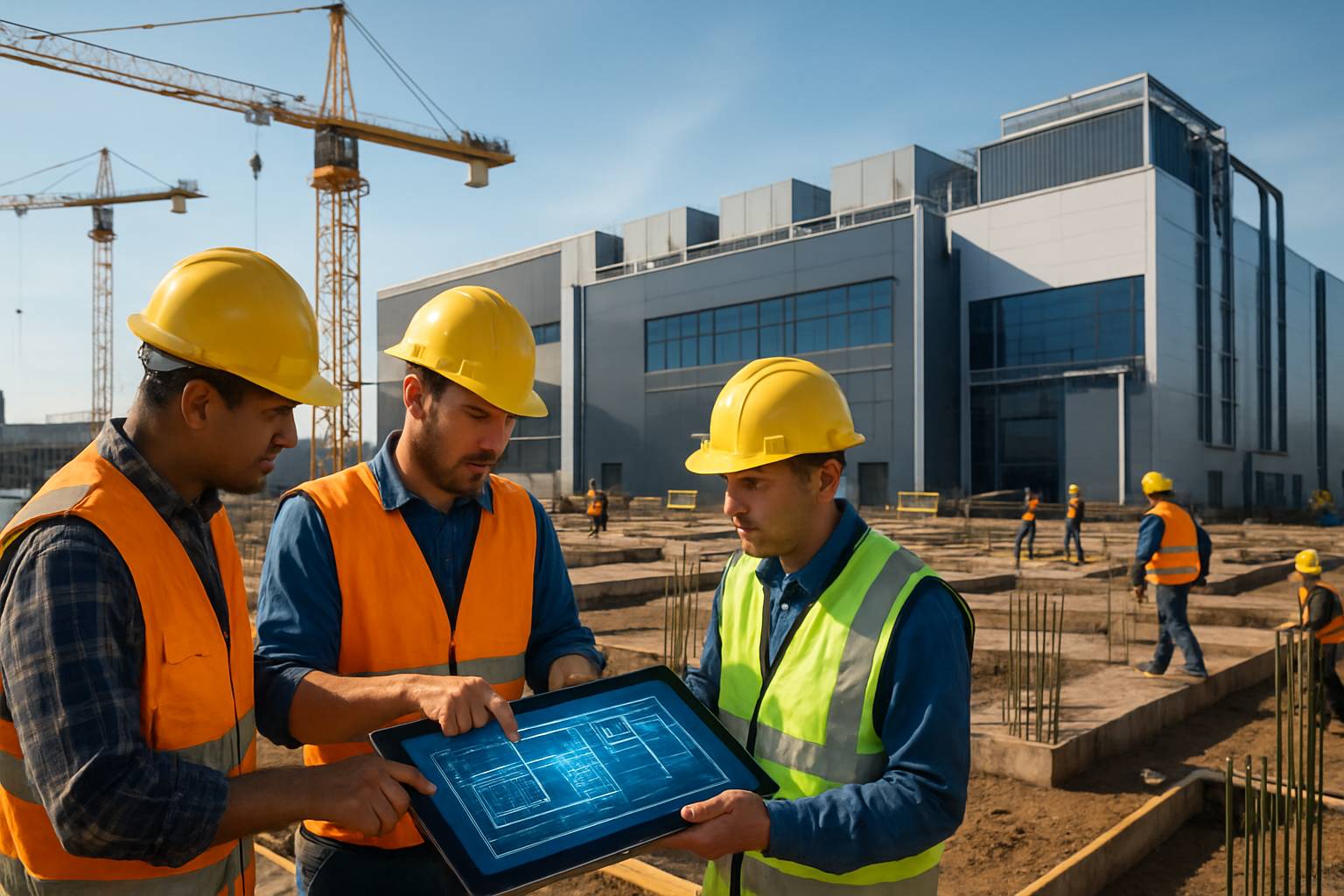
Subsequently, CoreWeave and Nvidia pledged to accelerate site selection, permitting, and equipment validation. The roadmap envisions more than 5 GW of AI factories online before decade end. That capacity could host several million cutting-edge GPUs. Consequently, analysts calculate tens of billions in future system revenue for Nvidia. This Infrastructure Buildout initiative dwarfs many hyperscaler expansions announced last year. These figures underscore the bold scope of the collaboration. However, strategy matters as much as scale, which the next section explores.
Strategic Rationale Key Drivers
CoreWeave positions itself as a neocloud tailored for GPU workloads. Therefore, aligning deeply with Nvidia secures early access to Rubin accelerators, BlueField storage, and Vera CPUs. For Nvidia, a loyal customer pipeline guarantees volume purchases of high-margin chips. Moreover, validated reference architectures shorten deployment cycles for enterprises lacking in-house integration expertise. Additionally, co-marketing efforts help startups attract enterprises that distrust unproven vendors. Such efforts exemplify ecosystem symbiosis in the AI era.
Securing Future GPU Sales
Raymond James models imply each gigawatt could translate into roughly 150,000 top-tier GPUs. Consequently, five gigawatts suggest hardware orders exceeding 750,000 units over several years. At prevailing prices, that equals tens of billions in incremental chips revenue. Therefore, the equity spend looks modest relative to the upside.
Validating Next Gen Platforms
Meanwhile, CoreWeave will pilot Rubin silicon at scale before hyperscalers deploy the architecture widely. Such real-world feedback accelerates Nvidia firmware, networking, and software refinements. Additionally, demonstrated efficiency gains help persuade cautious CIOs evaluating AI factories. Consequently, Nvidia strengthens ecosystem lock-in across silicon, interconnects, and orchestration layers.
Successful execution of the Infrastructure Buildout would entrench Nvidia as the default AI platform vendor. Together, these drivers illustrate mutual benefits that extend beyond immediate capital. In contrast, markets still react emotionally, as the following section shows.
Early Market Reaction Signals
CoreWeave shares spiked double digits during pre-market trading after the announcement. Reuters noted similar enthusiasm in Nvidia’s stock, albeit with smaller percentage gains. Moreover, sell-side analysts rushed to update revenue models and deployment timelines. JP Morgan projected accelerated compute demand through 2028, citing the five-gigawatt target. Nevertheless, some commentary flagged potential circular financing between investor and supplier. Jensen Huang dismissed the critique as ridiculous during a press query. Options volume linked to Nvidia chips surged as speculators priced higher demand. Analysts compared the planned AI factories to semiconductor fabs in capital intensity.
- CoreWeave closing price: +12% day-over-day
- Nvidia intraday move: +3%
- Analyst average price target increase: 7%
These swings illustrate optimism tempered by due diligence. However, investors must weigh upside against well-telegraphed risks next. Media coverage also highlighted geopolitical implications, noting ongoing US export controls on advanced processors.
Risks And Stakeholder Criticisms
High leverage remains CoreWeave’s most pressing concern. TechCrunch highlighted sizeable debt tied to rapid campus expansion. Consequently, any slowdown in compute demand could erode cash flow quickly. In contrast, capacity backstop agreements partially mitigate utilization risk but also invite scrutiny. Furthermore, some activists question energy consumption and local grid impact. Any financing hiccup could derail the Infrastructure Buildout schedule, amplifying investor anxiety.
- Possible circular financing between equity and hardware spend
- Permitting delays for power-hungry campuses
- Customer concentration around a handful of AI labs
Nevertheless, management argues that multi-year contracts provide predictable revenue visibility. These debates emphasize execution discipline above all else. Therefore, environmental and financial factors merge in the next challenge spotlight.
Energy And Site Challenges
Building five gigawatts of AI factories demands unprecedented power procurement. Moreover, local communities increasingly resist additional high-voltage substations. California, Texas, and Virginia have already tightened environmental reviews for similar projects. Consequently, securing transmission agreements could rival the complexity of sourcing advanced chips. Additionally, water-cooling requirements introduce further regulatory hurdles. CoreWeave claims early site control in multiple regions with favorable renewable mixes. Nevertheless, energy consultants remain skeptical until interconnection queues clear. These constraints could elongate the Infrastructure Buildout timeline if not managed proactively. However, strategic certifications can bolster operational expertise, easing regulatory negotiations.
Professionals can enhance their expertise with the AI Cloud Architect™ certification.
Grid operators often require multi-year notice before approving large substation upgrades. Therefore, early engagement with utilities becomes non-negotiable.
Outlook And Next Steps
Barclays forecasts CoreWeave revenue quadrupling by 2027 if build milestones hold. Therefore, Nvidia could capture compounding shipments of high-margin chips each calendar quarter. Additionally, rising compute demand from generative AI workloads shows little sign of slowing. In contrast, macroeconomic weakness could push some customers toward usage-based contracts, reducing visibility. Nevertheless, supply shortages suggest pricing power may persist through the cycle.
CoreWeave expects to file additional site permits within six months, according to investor slides. Consequently, the Infrastructure Buildout trajectory will become clearer by mid-2026 filings. Executives encourage engineers to upskill in multi-cloud orchestration to meet looming talent gaps. Therefore, earning specialised credentials now positions professionals for leadership roles. Moreover, the AI Cloud Architect™ pathway aligns directly with AI factory operations. Market forecasters now track transformer lead times closely, because hardware readiness can bottleneck deployment. Subsequently, parallel supply-chain investments may surface in future announcements.
Nvidia’s $2 billion equity bet reframes how silicon vendors accelerate cloud scale. Meanwhile, CoreWeave gains critical liquidity to push construction forward. Nevertheless, financing, energy, and execution hurdles remain formidable. Consequently, investors will study quarterly disclosures for tangible construction progress. In contrast, sustained compute demand could quickly validate the aggressive power targets. Furthermore, successful AI factories will raise the performance bar for incumbents. Professionals should, therefore, upskill today to participate in these data-center revolutions. Explore the AI Cloud Architect™ program and stay ahead in the AI infrastructure race.


