

AI CERTS
2 hours ago
North Korea AI shapes missile response patterns
This article reviews recent launches, allied responses, and emerging digital methods that decode DPRK behavior. In contrast, it highlights business implications and certification paths that empower informed decision-making. Historical context from 2025 through 2026 underscores a clear test-exercise linkage. However, new missile varieties complicate defensive planning across air, sea, and cyber domains.
Subsequently, stakeholders adopt machine learning dashboards to track flight data minutes after detection. Therefore, understanding technology, politics, and finance together remains essential. Lastly, geopolitical surprises rarely follow predicted timelines.
Pattern Behind Latest Launches
Allied intelligence noted a predictable cadence linking Freedom Shield Drills to missile salvos. Japan recorded two projectiles on 27 January 2026, both flying roughly 350 kilometers. Meanwhile, South Korea’s Joint Chiefs tracked about ten rockets on 14 March during the same exercise. Experts argue Pyongyang aims to normalize launches while gathering telemetry under realistic radar pressure. Moreover, the tests reinforce domestic legitimacy by showcasing self-reliant Military prowess. North Korea AI forecasting models flag similar windows whenever combined forces announce large maneuvers.
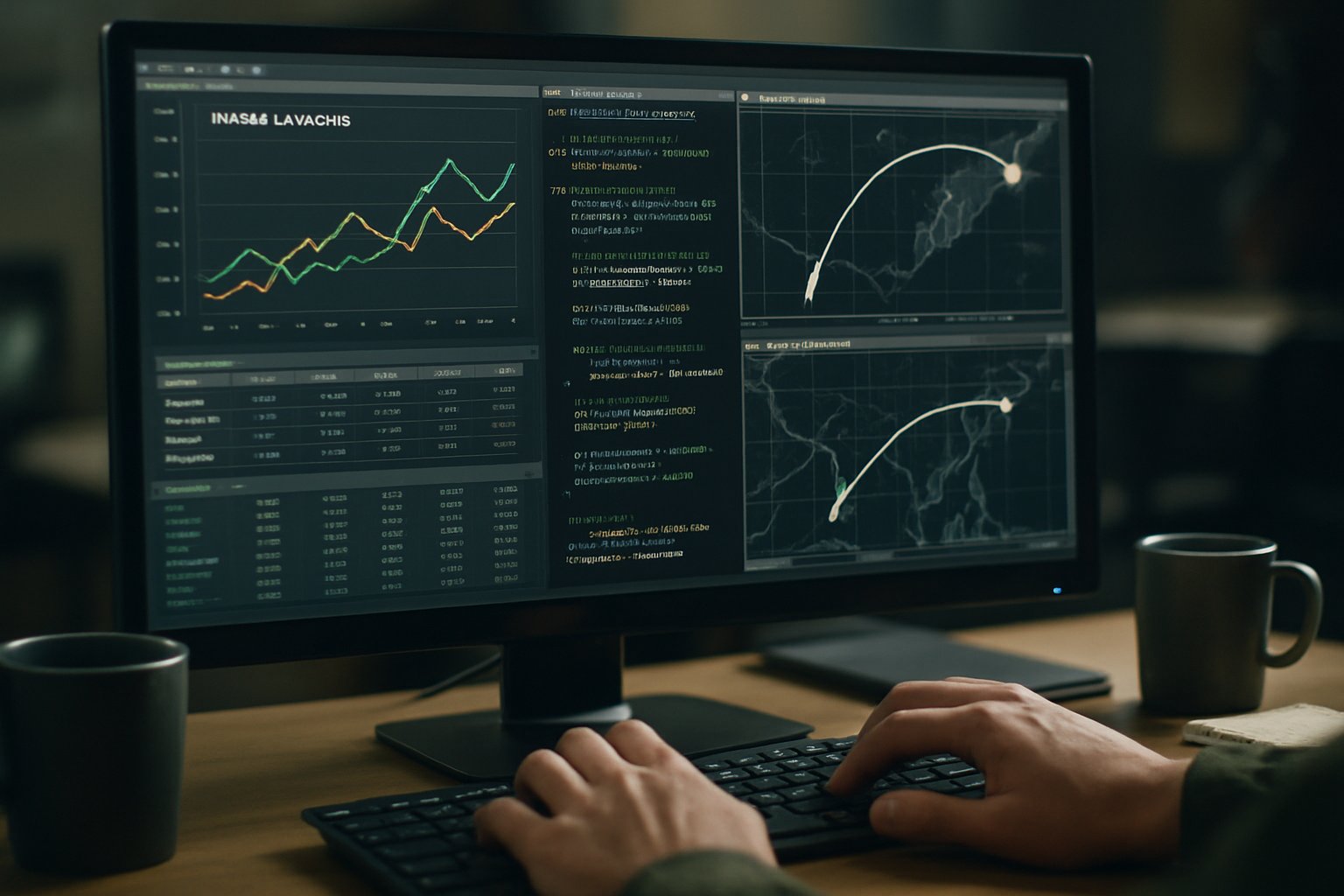
These data points confirm timing remains strategic, not random. Nevertheless, missile diversity also matters, which the next section explores. Consequently, readers should watch variant evolution as closely as event calendars.
Regional Security Flashpoints
Each launch forces immediate alliance consultations among Indo-Pacific commanders. Consequently, allied Military aerial tankers scramble while Aegis destroyers adjust intercept grids near Japanese waters. KCNA simultaneously accuses the coalition of preparing invasion. Observers note that media images often display identical launch angles, suggesting scripted demonstrations. North Korea AI risk dashboards highlight spikes whenever Drills commence, reinforcing policy urgency. Trump era negotiations briefly paused tests, yet missile production quietly continued. Moreover, analysts at CSIS warn that even short-range shots risk accidental Conflict if guidance fails.
Heightened alert levels raise operational costs and market volatility. However, a clearer view of technical capabilities can inform proportional deterrence. The following section dissects missiles and launch systems in detail.
Technical Capabilities Expanding Fast
Pyongyang now fields SRBMs, cruise missiles, and large-caliber MRLS. Furthermore, January tests used an extended-range multiple-rocket system striking maritime targets. Satellite photos reveal larger transporter erector launchers positioned near coastal rail spurs during test windows. Analysts believe the vehicles improve reload speed, thereby sustaining rapid-fire salvos over several hours.
Experts estimate 350-kilometer reach, enough to hit most ROK airfields. Hypersonic glide vehicles and submarine-launched cruise missiles remain developmental but demonstrate ambition. Moreover, missile variety strains allied Military tracking sensors and interception budgets. North Korea AI pattern recognition helps classify launch plumes within seconds, reducing confusion.
- ~350 km: Distance for January and March 2026 launches
- About 10 projectiles: Size of 14 March 2026 salvo
- 18,000 personnel: Scale of 2026 Freedom Shield Drills
These metrics expose both reach and tempo. Consequently, businesses must evaluate supply chain vulnerabilities, discussed next.
Allied Defensive Posture Shifts
Seoul accelerated kill-chain upgrades and integrated radar fusion centers. Meanwhile, Japan deployed additional PAC-3 units near Kyushu ports. United States rotated stealth bombers and cyber teams to enhance combined Military readiness. Moreover, trilateral data sharing now feeds directly into North Korea AI situational platforms. Nevertheless, intelligence gaps persist regarding underground launch sites. Trump administration agreements on cost sharing still influence procurement budgets today.
Coordinated sensors improve early warning but cannot address root motives. Therefore, analysts look at artificial intelligence applications, covered in the following section. Effective strategy demands both hardware and software innovation.
Potential Role For AI
Machine learning sifts satellite imagery for freshly paved launch pads. Consequently, predictive analytics estimate possible firing windows days before public notices. Start-ups feed open-source telemetry into cloud models branded as North Korea AI Intelligence Suites. In contrast, some skeptics warn algorithms cannot capture shifting political signals from Kim Yo Jong. Trump era diplomatic letters, for instance, triggered abrupt testing lulls invisible to code. Moreover, data scientists refine sentiment analysis from KCNA bulletins to flag rising Conflict rhetoric.
Professionals can enhance their expertise with the AI Marketing Strategist™ certification, aligning analytical skills with defense communication needs.
These tools turn raw feeds into actionable foresight. Subsequently, organizations translate insights into financial and reputational risk planning, as the next section explains.
Business Risks And Opportunities
Supply chains for semiconductors, energy, and shipping remain vulnerable to sudden peninsula shocks. Furthermore, insurers raise premiums whenever missiles fall near key sea lanes. Real-time shipping indexes show container dwell times doubling whenever regional alerts climb. North Korea AI market trackers send automated alerts to trading desks within milliseconds.
- Port closures: Container rerouting costs rise 12% during heightened Conflict.
- Won volatility: Currency swings average 3% after major Drills announcements.
- Defense equities: Shares spike 5-8% following confirmed launches.
Moreover, ESG investors screen defense exposure yet acknowledge growing demand for dual-use analytics. Nevertheless, sustained market movements rarely last because diplomatic backchannels often calm nerves fast. These trends show risk can fuel opportunity when managed wisely. The final section weighs long-term policy choices.
Policy Options Going Forward
Lawmakers debate fresh sanctions and cyber operations against proliferation networks. However, deterrence must balance pressure and dialogue to avoid open Conflict. Trackers built on North Korea AI simulations now inform scenario planning in parliamentary committees. Moreover, regional forums advocate renewed arms talks resembling the Trump Singapore summit.
Parliamentary committees also review export control loopholes exploited by offshore procurement agents. Additionally, civil society groups demand transparency around resource allocation for humanitarian programming. In contrast, some experts urge unconditional humanitarian aid to build trust. Subsequently, mixed strategies could stabilize flashpoints while preserving allied leverage.
Sound policy integrates technology, economics, and diplomacy. Therefore, continuous learning remains vital, as summarized below.
Conclusion And Next Steps
Missile launches linked to allied Drills will likely persist. However, North Korea AI platforms equip professionals to parse signals and respond swiftly. Moreover, diversified sensors, predictive models, and prudent finance can reduce escalation risk and protect assets. In contrast, ignoring data leaves supply chains and diplomacy exposed to sudden Conflict. Regional businesses have launched contingency committees meeting quarterly to update threat matrices. Such collaborations link insurers, logistics firms, and port authorities in a single digital workspace.
Trump era lessons show dialogue and consistent pressure can coexist when guided by real-time intelligence. Consequently, readers should upgrade analytic skills through the earlier mentioned certification and follow future briefings. North Korea AI insights combined with accredited learning will strengthen strategic decisions in an uncertain era.


