

AI CERTs
13 hours ago
Neural voice licensing upgrade transforms AI audio
The race to control synthetic voices is intensifying. However, talent now demands consent and royalties before algorithms speak for them. The neural voice licensing upgrade at the heart of recent deals signals that power shift. Brands, unions, and platforms see commercial opportunity balanced by new guardrails.
Speechify’s latest celebrity roster addition highlights the trend. Meanwhile, ElevenLabs markets licensed legendary tones to advertisers. Consequently, investors expect text-to-speech spending to nearly double by 2030. This introduction unpacks market forces, policy responses, and technical advances shaping monetization.
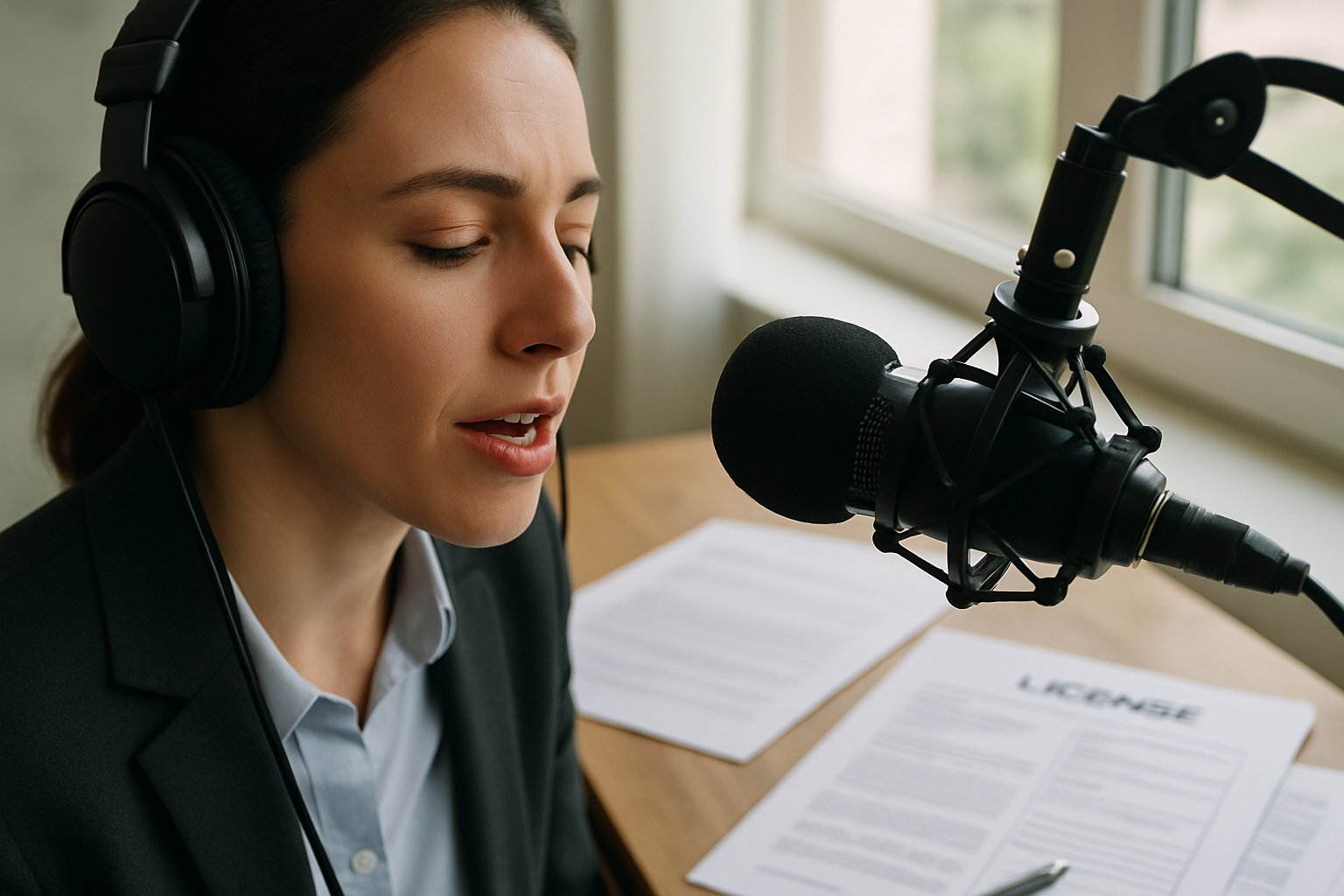
AI Audio Market Drivers
Realistic neural text-to-speech unlocked new use cases overnight. Additionally, accessibility mandates pushed enterprises to adopt voice interfaces quickly. Market researchers valued the sector at USD 3.87 billion in 2025. They forecast USD 7.28 billion by 2030.
Within that surge, the neural voice licensing upgrade lets studios scale global campaigns without hiring dozens of narrators. Moreover, improved prosody controls make cloned speech indistinguishable from studio recordings.
Vendors refine architectures such as the SIMBA voice model, which blends sequence-to-sequence encoders with flow-based vocoders. Consequently, latency falls while emotional range widens.
Demand grows as quality improves and costs drop. However, monetization hinges on performer trust.
The next section analyses how licensing frameworks answer that trust question.
Performer First Licensing Boom
Speechify signed Juanpa Zurita in October 2025 under a royalty-bearing contract. Moreover, its catalog now flaunts Snoop Dogg, Gwyneth Paltrow, and MrBeast. Each signature voice appears across web, mobile, and API endpoints.
This model relies on the neural voice licensing upgrade to enforce contract terms programmatically. Therefore, enterprises can purchase minutes, monitor usage, and trigger payouts automatically.
ElevenLabs adopted similar 'ethical voice cloning' practices, yet differentiated through a curated marketplace. In contrast, Speechify bundles voices directly inside its reading platform.
- Recurring royalties managed by smart dashboards
- Global reach through instant translation pipelines
- Creator approval workflows guarding brand alignment
- Lower production costs for small agencies
Licensed marketplaces deliver income and control for speakers. Nevertheless, competition among platforms is intensifying.
Consequently, we must compare their product strategies next.
Competitive AI Platform Landscape
Speechify boasts more than 1,000 voices spanning 60 languages. Meanwhile, ElevenLabs debuted 28 iconic voices at launch. Resemble.ai, Play.ht, and Descript chase niche segments like gaming or podcasting.
Each competitor markets a neural voice licensing upgrade as a differentiator, yet pricing transparency varies. Moreover, contract structures swing between one-time buyouts and residual splits.
Technical parity narrows as the SIMBA voice model blueprint circulates through academic preprints. Consequently, softer factors like union compliance and marketing clout decide adoption.
Platforms advertising ethical voice cloning gain publicity boosts after recent deepfake scandals. However, they still battle disinformation risks when open APIs leak.
Feature wars alone will not secure market share. Therefore, regulatory action becomes the decisive force.
Regulatory Guardrails Rapidly Expand
SAG-AFTRA negotiated AI audio waivers in 2024 and 2025. Additionally, California bills now require informed consent before digital replicas enter commerce. Similar drafts appear in Illinois and New York.
Under these statutes, any neural voice licensing upgrade must log provenance, expiry dates, and compensation events. Consequently, compliance modules turned into selling points during enterprise procurement.
The SIMBA voice model can comply with watermark mandates when vendors embed inaudible signatures. Furthermore, ethical voice cloning demands clear opt-out clauses for heirs and estates.
Legal harmonization remains fragmented across states and unions. Nevertheless, business models are evolving to handle that complexity.
We now examine those economics.
Business Models Evolving Fast
Speechify charges subscription tiers plus per-minute fees tied to its neural voice licensing upgrade. Meanwhile, ElevenLabs collects commissions on each marketplace transaction.
- One-time buyouts for limited campaigns
- Royalty splits for ongoing ads
- Enterprise platform licenses bundling analytics
Vendors leveraging the SIMBA voice model enjoy lower compute costs, allowing aggressive volume discounts. Moreover, smaller studios can finally afford celebrity narration.
Ethical voice cloning also opens archival monetization, letting estates license historical figures responsibly. In contrast, unauthorized deepfakes face mounting legal penalties.
Revenue forecasts bundle royalties, API calls, and white-label SDKs built on the neural voice licensing upgrade. Therefore, analysts predict compound revenue growth surpassing hardware costs.
Flexible pricing fuels adoption across industries. However, strategic planning still requires clear future signals.
The final section explores upcoming milestones.
Future Outlook And Strategy
Experts expect every major suite to embed a neural voice licensing upgrade by 2027, standardizing consent management. Moreover, cross-platform federated ledgers may automate royalty clearing.
Simultaneously, ethical voice cloning guidelines will mature into ISO-style standards. Consequently, cross-border campaigns could rely on unified compliance APIs.
The SIMBA voice model roadmap adds multilingual emotional transfer, enabling seamless dubbing for films. Therefore, studios may minimize rerecording sessions.
Professionals can enhance their expertise with the Bitcoin Security Specialist™ certification. Understanding smart contract concepts supports deploying a neural voice licensing upgrade that automates payouts securely.
Strategic investments in tooling, compliance, and talent relations will differentiate winners. Nevertheless, ongoing dialogue with unions remains vital.
Future frameworks favor transparent, performer-centric ecosystems. Consequently, early adopters stand to capture outsized share.
In summary, the neural voice licensing upgrade anchors a new era of AI audio commerce. Accessible tech like the SIMBA voice model and ethical voice cloning expands creative horizons while respecting performer rights. Moreover, evolving laws, smart royalties, and certification-backed skills will define competitive edges. Consequently, executives should audit current pipelines, engage union guidelines, and pilot licensed voices now. Explore additional training and certifications to secure your voice innovation roadmap today.


