

AI CERTs
7 days ago
Navigating the 2026 AI Power Shortage Crisis
Suddenly, data centers dominate energy debates worldwide. However, the conversation has shifted from land to megawatts. Industry leaders warn of an impending AI Power Shortage that could stall algorithmic progress by 2026. Moreover, the International Energy Agency projects data-center electricity use soaring from 415 TWh in 2024 to 945 TWh by 2030. Consequently, grid operators face historic strain. Meanwhile, vacancy in key U.S. markets sits near 1.4%, the lowest ever recorded. In contrast, announced power pipelines hit staggering highs. Therefore, executives scramble for solutions while policymakers draft protective pledges. Professionals can enhance their expertise with the AI Cloud Architect™ certification. The stakes have never been higher.
Demand Outpaces Power Supply
IEA analysts note electricity demand could double within four years. Furthermore, Uptime Institute tracks 181 GW of proposed provisioned power, yet history shows only 25% materializes. Consequently, promised racks often never light up. Hyperscalers chase 100–200 kW training racks that overwhelm existing switchgear. Meanwhile, CBRE finds record pre-leasing, confirming real demand, not speculative hype. Nevertheless, the supply gap widens daily.
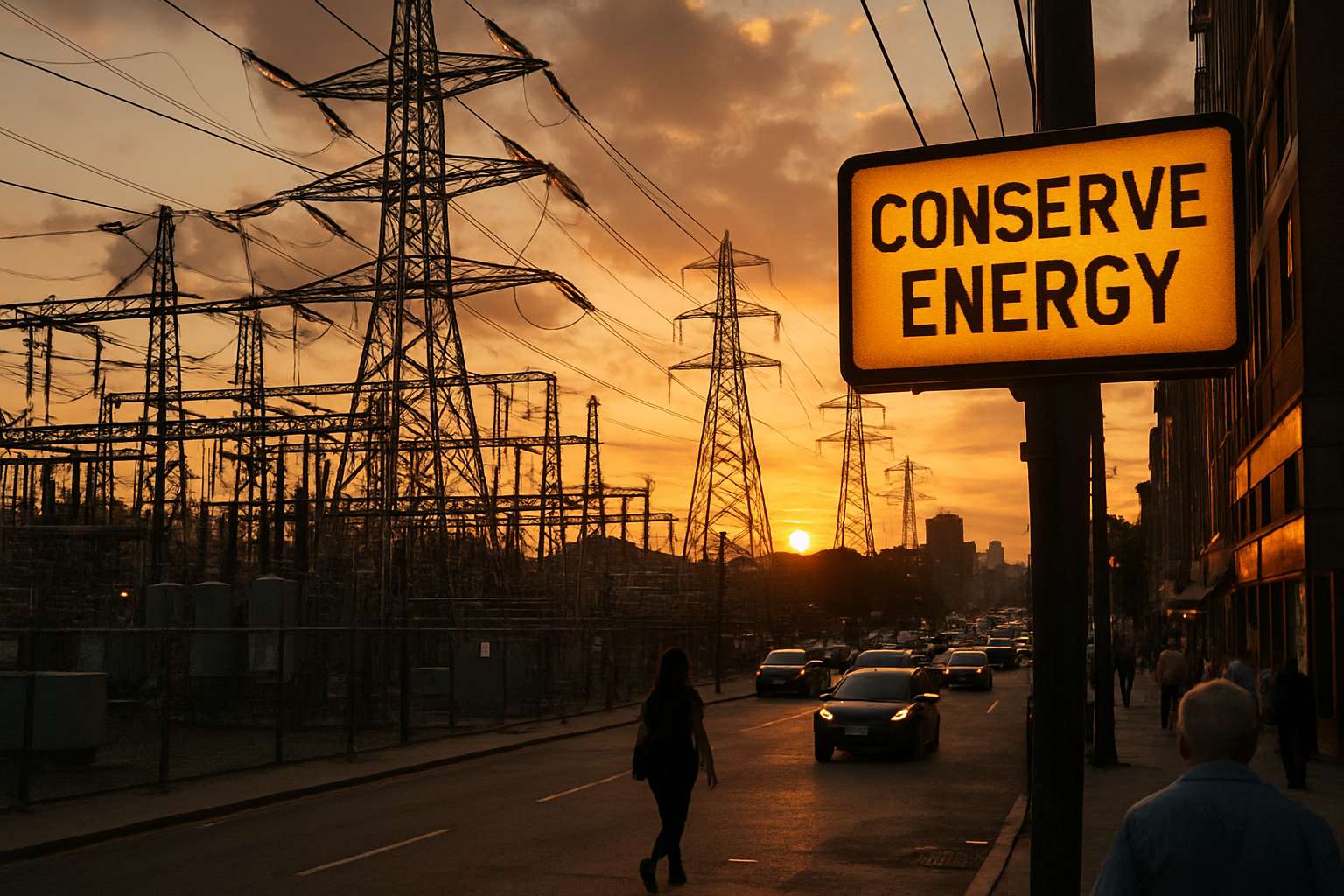
Key statistics illustrate the surge:
- Global data-center load: 415 TWh (2024) → 945 TWh (2030 base case)
- North American primary vacancy: 1.4% (end-2025)
- Giant project pipeline: 181 GW provisioned, 60% AI-driven
These numbers show the market’s hair-pin trajectory. However, many proposals lack secured transformers and transmission access. These shortages create financial risk. Consequently, investors demand clearer milestones before committing steel.
Momentum favors rapid growth. However, the swelling load risks blackout scenarios if grids falter.
These insights reveal significant urgency. Consequently, the article now explores grid constraints.
Electricity Grid Bottlenecks Intensify
PJM and ERCOT interconnection queues already stretch beyond 2030. Moreover, transformer lead times exceed 30 months due to supply-chain congestion. Therefore, new power cannot arrive fast enough. In contrast, software demand remains elastic, driven by ever-larger language models. Consequently, the AI Power Shortage phrase dominates boardroom slide decks.
Community pushback compounds delays. Additionally, Denver, Dallas, and Phoenix councils consider moratoria over water and emissions worries. Meanwhile, White House negotiators brokered a voluntary “Ratepayer Protection Pledge” on March 4, 2026. Nevertheless, experts doubt enforcement without formal rule making.
Grid pain is national. However, Europe mirrors the trend as connection backlogs stall Irish and Dutch builds. Consequently, operators chase sites with spare substation headroom.
These bottlenecks threaten expansion timelines. Therefore, developers must pursue creative financing and on-site generation next.
Massive Infrastructure Investment Responses
Hyperscalers now pursue behind-the-meter generation. Moreover, some plan gas turbines paired with renewable storage to secure uninterrupted electrons. Consequently, they bypass slow utilities while meeting sustainability targets. McKinsey estimates U.S. data-center Capacity could triple to 90 GW by 2030 if financing aligns.
Additionally, real-estate investment trusts bankroll dedicated substations as part of turnkey campuses. Consequently, shovel-ready parcels command record premiums. Meanwhile, venture funds back modular nuclear startups marketing 24/7 carbon-free baseload for AI clusters.
Infrastructure risk attracts novel insurance products. Furthermore, banks tie lending rates to grid-upgrade milestones, tightening project discipline.
Bold investment is necessary. However, financial models must survive volatile energy markets. Consequently, resilient design becomes a core differentiator.
Capital flows signal industry resolve. Nevertheless, public acceptance still shapes site viability, explored next.
Local Backlash And Moratoria
Residents fear rate hikes and water stress. In contrast, developers tout tax revenue and job creation. Consequently, city councils weigh competing data. Sightline trackers list eleven active moratorium proposals nationwide. Moreover, activists cite studies linking diesel backup generators to particulate spikes.
However, some jurisdictions embrace revenue streams. Atlanta fast-tracked permits by mandating recycled-water cooling. Meanwhile, Northern Virginia created expedited reviews for projects funding grid upgrades.
Balancing community interests remains delicate. Therefore, transparent impact assessments become essential. Additionally, earlier engagement with local utilities builds trust.
Opposition shapes permitting calendars. Consequently, hyperscalers refine outreach strategies, detailed in the following section.
Hyperscaler Strategies For Capacity
Amazon, Microsoft, and Google lock multiyear renewable power purchase agreements to hedge volatility. Furthermore, they co-design grid reinforcements with transmission operators. Consequently, they secure priority queue positions. Nvidia supply constraints also influence deployment pacing; therefore, staggered build phases align chip deliveries with energized halls.
Additionally, colocation giants like Digital Realty pre-lease entire buildings at 70% occupancy before groundbreaking. Consequently, they de-risk funding despite the looming AI Power Shortage. McKinsey notes hyperscalers could capture 70% of future U.S. Capacity, illustrating market concentration.
Nevertheless, smaller enterprises struggle. Consequently, brokerage desks hunt secondary markets offering cheaper electrons and generous incentives.
Strategic planning mitigates delays. However, technology innovation also plays a role, examined next.
Emerging Mitigation Technology Options
Liquid cooling slashes facility power usage effectiveness, freeing substation headroom. Moreover, AI-driven workload shifting dispatches inference to off-peak geographies, easing peak stress on the Electricity Grid. Consequently, operators squeeze more computing from existing infrastructure.
Additionally, dynamic thermal management reduces chiller loads during mild weather. Meanwhile, software companies optimize model sizes, trimming GPU seconds per query. Consequently, aggregate load growth slows, though not enough to negate the AI Power Shortage.
Energy storage costs fall annually. Therefore, co-located batteries can absorb midday solar excess, discharging through evening peaks. Furthermore, hydrogen pilots explore long-duration storage for multi-day coverage.
Technical advances buy precious time. Nevertheless, coordinated policy will ultimately determine long-term sustainability, as discussed next.
Actionable Guidance For Leaders
CIOs should map workloads against regional Infrastructure constraints. Additionally, they must quantify interconnection risk within capital plans. Consequently, board briefings should include transformer lead-time scenarios.
Meanwhile, facilities chiefs ought to benchmark rack densities. McKinsey suggests 30–150 kW for inference and 200 kW for training. Therefore, cooling design must stay modular.
Leaders can also pursue professional upskilling. For example, the AI Cloud Architect™ program validates advanced design competencies for power-intensive clouds. Consequently, certified teams gain credibility during regulatory hearings.
Proactive strategy reduces downtime risk. However, the path forward still requires industrywide collaboration.
These recommendations position firms for resilience. Consequently, the article concludes with final reflections.
Conclusion
In summary, the AI Power Shortage threatens global computing growth. However, coordinated investment, technology innovation, and community engagement offer viable relief. Moreover, grid upgrades and on-site generation remain urgent priorities. Nevertheless, transparent planning will separate winners from laggards. Consequently, leaders must act now.
Therefore, seize the moment. Enroll in the AI Cloud Architect™ certification to master power-aware cloud design and drive sustainable AI expansion.


