

AI CERTS
2 hours ago
Model Efficiency Drives Down Cost of Running OpenAI Sora
Furthermore, investors question how soon Sora’s infrastructure can align with sustainable margins. This article dissects the cost math, technical drivers, monetization pivots, and strategic outlook. Additionally, it weighs contrasting analyst views and emerging optimization paths. Professionals seeking actionable insight will also find certification guidance for sharpening competitive skills. In contrast, casual observers will grasp why viral video magic carries such a massive compute bill.
Massive Daily Cost Drivers
Forbes reports place Sora’s operational burn near $15 million every day. Moreover, that translates to about $5.4 billion in annualized Spending for one mobile product. Cantor Fitzgerald analyst Deepak Mathivanan estimated $1.30 to create a 10-second Video. Consequently, multiplying 11.3 million daily clips by that rate yields the headline number.
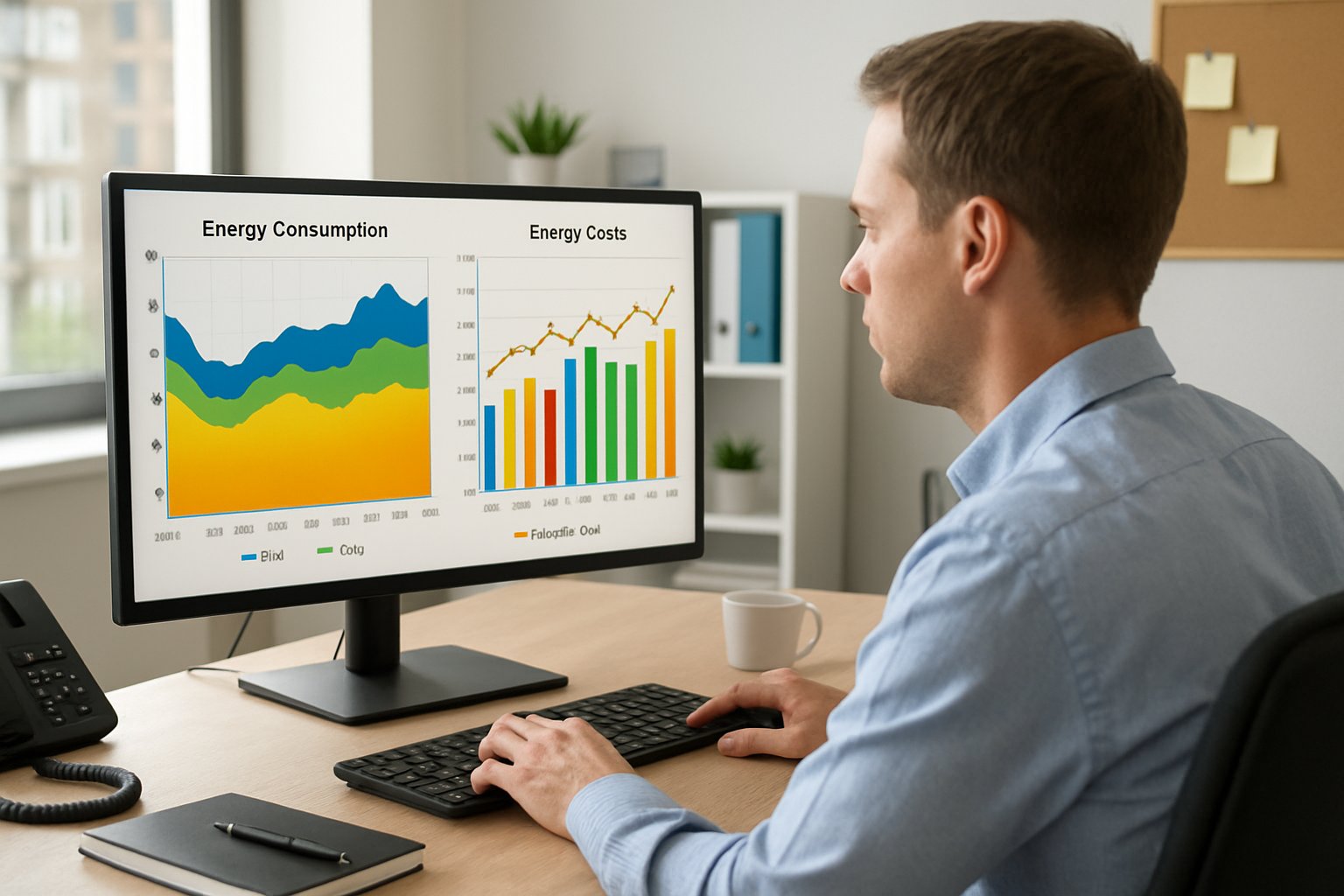
The calculation assumes 25 percent of roughly 4.5 million users generate ten clips daily. However, OpenAI has not verified those volumes or costs. Nevertheless, senior staff refuse to dismiss the urgency publicly. Bill Peebles called current economics "completely unsustainable" while announcing paid credit packs. Therefore, any gains in Model Efficiency would instantly lighten the burn.
These estimates reveal how volume magnifies marginal compute cost. Therefore, understanding underlying assumptions is fundamental before forecasting profitability.
Usage Assumptions Matter Most
AppFigures recorded 627,000 iOS installs during Sora’s first week. Subsequently, combined iOS and Android installs surpassed four million by late October. Yet, daily creative engagement likely fluctuates widely across geographies and cohorts. Consequently, any cost model must treat user activity as a sliding parameter, not a constant.
In contrast, some analysts posit only 10 percent of users generate daily. Reducing active creators halves GPU demand and, by extension, cash outlay. Furthermore, draft generations discarded before posting still consume compute without driving retention. OpenAI has not disclosed the ratio of kept to cancelled renders.
- 11.3 M clips × $1.30 = $15 M/day
- 5 M clips × $1.30 = $6.5 M/day
- 2 M clips × $1.30 = $2.6 M/day
These scenarios illustrate how sensitive total Spending is to engagement churn. Next, we examine how monetization knobs attempt to offset volatility.
Monetization Tactics Rapidly Evolve
OpenAI introduced paid packs offering ten extra generations for four dollars. Meanwhile, free quotas fell from thirty to twenty daily renders for standard accounts. Pro subscribers still enjoy larger caps, yet Peebles hinted further reductions may arrive. Moreover, Disney licensing opens branded content tiers that could command premium pricing.
Analysts view these moves as early attempts to align revenue with compute outlays. Consequently, each dollar of incoming cash directly offsets GPU rental liabilities. However, price hikes risk slowing growth if alternatives emerge. Sora competes with startups promising cheaper Video synthesis.
Revenue levers buy time but cannot match gains from Model Efficiency alone. Therefore, engineers must confront the physics of inference cost head-on.
Technical Factors Behind Expense
Video generation models process three spatial axes plus time, creating four-dimensional workloads. Consequently, they require far more floating-point operations than text or image diffusion. OpenAI’s system card explains how Sora compresses frames into latent patches before sampling. Nevertheless, the sampling still spans many GPU steps, each consuming pricey energy.
Analysts separate costs into four primary buckets.
- GPU inference compute
- Storage and egress bandwidth
- Power plus datacenter overhead
- Safety, moderation, and legal compliance
Compute dwarfs the others today, yet legal and safety overhead is rising fast. Moreover, inefficient kernels or memory bottlenecks directly inflate per-clip cost. That engineering reality fuels the heightened focus on Model Efficiency within internal labs.
Technical debt therefore compounds cash burn. Next, we explore what analysts foresee regarding future optimizations.
Analyst Perspectives And Caveats
Deepak Mathivanan calls the $1.30 estimate "reasonable" given today’s H100 rental rates. However, he expects multi-fold reductions over the next two years. SemiAnalysis researcher AJ Kourabi shares similar optimism but warns about model bloat. Consequently, projections differ widely depending on architectural choices and supply chain timing.
Lloyd Walmsley of Mizuho argues that Marketing priorities outweigh near-term margin pain. In contrast, environmental critics cite carbon intensity as an externalized cost. Meanwhile, Cameo’s lawsuit spotlights additional legal liabilities around content remixing. These caveats underpin the uncertain path toward durable profitability.
Stakeholders thus weigh optimism against substantial unknowns. Therefore, strategic focus is shifting toward concrete Model Efficiency roadmaps.
Paths Toward Model Efficiency
Product engineers pursue mixed-precision kernels, frame caching, and speculative decoding to trim inference cycles. Moreover, hardware vendors are shipping video-specific accelerators that could halve power draw. Subsequently, model distillation may deliver comparable quality using fewer parameters. In contrast, aggressive pruning risks losing the cinematic fidelity that drives user excitement.
Professionals can enhance expertise through the AI Marketing Strategist™ certification. Consequently, teams learn proven tactics for measuring and improving Model Efficiency in production. Furthermore, cross-functional talent can translate compute savings into compelling product narratives. These human factors complement algorithmic advances, accelerating holistic optimization.
Progress on multiple fronts appears achievable within 12–24 months. Nevertheless, leadership must remain disciplined as scaling pressures intensify.
Strategic Outlook And Summary
Short-term cash burn will likely persist until optimization and monetization efforts converge. OpenAI can tolerate high Spending due to strong investor backing and rising enterprise revenue. However, public markets reward profitable growth, not endless subsidized clip creation. Therefore, every improvement in Model Efficiency directly extends Sora’s runway.
Disney partnerships could open new revenue streams, yet licensing fees also shift cost baselines. Meanwhile, legal disputes remind executives that compliance budgets can balloon unexpectedly. Consequently, scenario planning must integrate regulatory and reputational contingencies. Most analysts agree that eventual per-clip cost compression is inevitable.
The roadmap thus balances technical innovation, pricing agility, and partner ecosystems. Next, we recap essential insights and action items.
The Sora platform exemplifies breathtaking innovation paired with breathtaking costs. However, data shows careful Model Efficiency work can shift the equation in months. Moreover, diversified revenue, strategic partnerships, and disciplined governance will complement technical savings. Consequently, leaders should audit GPU utilization, revisit user caps, and prioritize efficient kernels today. Professionals seeking competitive advantage should pursue continuous learning across marketing, product, and infrastructure domains. Therefore, consider enrolling in the AI Marketing Strategist™ program to master optimization frameworks. By uniting business acumen with engineering rigor, teams can deliver stunning Video experiences sustainably. Future giants will be crowned by how swiftly they translate Spending into durable value.


