

AI CERTS
2 hours ago
MLB’s Robo-Ref System Hits Home Plate
MLB believes the balance keeps drama alive, yet minimizes heated confrontations. Such calibration matters because 61.5% of past ejections involved disputed strikes. Therefore, stakeholders hope tempers cool when graphics display objective evidence within seconds.
Technology Behind Strike Accuracy
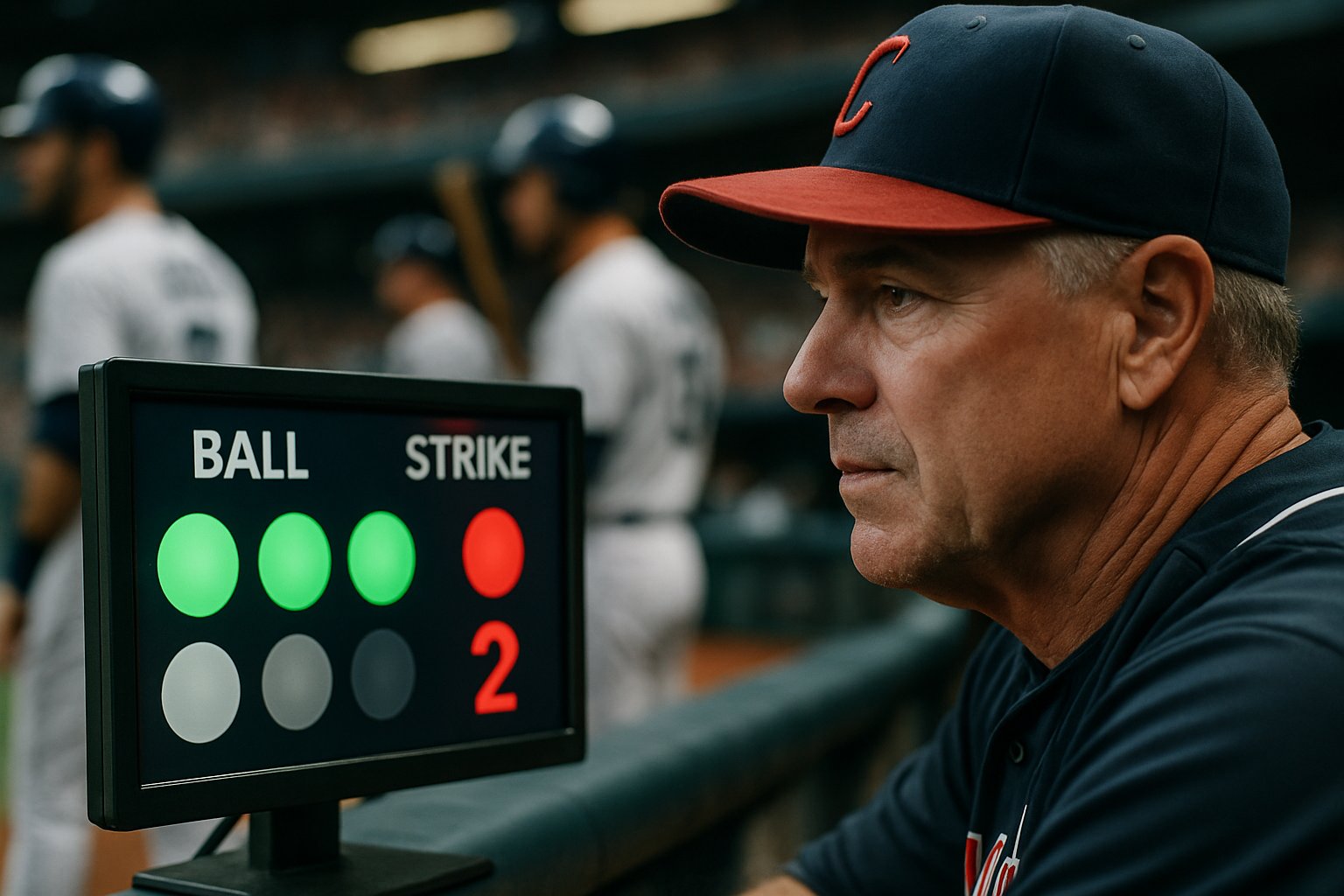
The Robo-Ref System relies on Hawk-Eye cameras positioned around the field. Additionally, a private 5G network from T-Mobile transmits data to scoreboards almost instantly. Twelve optical units triangulate each pitch and map it against a batter-specific zone. In contrast to full automation, umpires still voice the initial call. However, pitchers, catchers, or batters may immediately tap a cap to trigger review. The visual overlay then confirms or overturns the ruling in roughly 14 seconds.
Hawk-Eye And 5G Network
Cameras capture 3D trajectories at 1,000 frames per second. Moreover, edge computing nodes crunch coordinates before sending packets over T-Mobile’s low-latency lanes. Consequently, ball tracking stays consistent across 30 venues despite varied lighting. Nevertheless, engineers keep redundancy plans in place for potential network drops.
Defining The Strike Zone
The automated zone spans the plate’s 17-inch width. Vertical limits equal 53.5% and 27% of each hitter’s height. Therefore, taller sluggers receive naturally larger boxes. Any part of the ball grazing that volume registers as a strike. MLB positions sensors at the plate midpoint to standardize depth readings. Professionals can enhance their expertise with the AI+ Data Robotics™ certification.
This technical backbone highlights precise, millimeter judgment. However, precision alone does not define success. The next section explores early performance metrics.
Pilot Results And Data
Extensive trials began during 2025 Spring Training. Over 288 exhibition games, teams issued 1,182 challenges. Moreover, 52.2% of calls were overturned, validating the system’s corrective power. Average review time stayed at 13.8 seconds, so pace-of-play remained steady.
Triple-A seasons offered additional insights. Success rates hovered near 50%, confirming repeatability across competitive tiers. Early 2026 spring contests delivered similar figures, yet club variance appeared. Oakland’s overturn rate reached 69.2%, while San Francisco posted 66.7%.
- 2025 Spring Training: 4.1 challenges per game
- League average success: 51.3% early 2026
- Human umpire baseline: 94% accuracy unassisted
These numbers show players use challenges judiciously. Consequently, MLB officials predict only minor additional pauses during regular contests. These findings feed directly into operational planning, discussed next.
Operational Challenges And Risks
Every ballpark must calibrate cameras before first pitch. In contrast, manual zones lived within an umpire’s experience. Moreover, weather, stadium architecture, and crowd movement may introduce occlusions. Therefore, engineers run nightly diagnostics and compare readings against control datasets. Additionally, latency spikes could disrupt real-time overlays, confusing spectators.
Another risk involves public perception. Some fans argue that overturning calls by millimeters violates the spirit of the game. Nevertheless, transparent graphics intend to build trust by showing indisputable evidence. If glitches occur, MLB will default to human judgment until issues resolve.
These technical and cultural hurdles require vigilant Algorithmic Oversight. However, once addressed, strategic gameplay changes become the next frontier.
Strategic On-Field Implications
Catchers still frame pitches, hoping umpires hesitate to call for review. However, managers now study data to allocate two starting challenges wisely. Consequently, late-inning at-bats could swing on retained appeals. Pitchers with elite command might benefit because rivals risk burning challenges early.
Challenge Protocol In Play
Players initiate review by tapping helmets immediately. Moreover, only three individuals per team hold that privilege, preventing chaos. Successful challenges remain available, so accuracy pays strategic dividends. In contrast, reckless appeals drain resources quickly.
These tactical wrinkles preserve suspense. Subsequently, roster valuation may shift. Catchers known for framing could maintain relevance, yet data scientists will track value changes through WAR metrics. Such analysis underscores evolving Algorithmic Oversight.
Strategy interacts tightly with fan sentiment, rooted deeply in Traditions. The next section weighs cultural reactions.
Tradition Versus Digital Precision
Purists fear technology erodes Baseball folklore. Moreover, former managers warn that fractions of an inch lack theatrical flair. Nevertheless, supporters counter that credibility matters more than nostalgia. Commissioner Rob Manfred emphasizes that challenges maintain human involvement while enhancing fairness.
Players echo those sentiments. Phillies skipper Rob Thomson praised accountability. Rangers catcher Kyle Higashioka noted that limited challenges keep borderline drama alive. Consequently, the compromise seems to respect core Traditions while leveraging data.
Cultural acceptance remains fluid. However, transparent statistics may convert skeptics over time. A balanced perspective now guides future governance and oversight.
Future Metrics And Oversight
Baseball Savant will publish daily leaderboards tracking overturn margins, team tendencies, and hitter zones. Additionally, analysts plan to study catcher framing value shifts across seasons. Hawk-Eye intends to release calibration summaries, promoting continual Algorithmic Oversight.
MLB will also monitor ejection trends. If confrontations drop, executives may expand the model to other rule areas. Moreover, private 5G partners could test augmented reality visuals for mobile viewers. Therefore, the Robo-Ref System could become a broader innovation platform.
These forward-looking initiatives indicate ongoing commitment. Consequently, stakeholders should prepare for deeper data integration throughout the league.
Conclusion
MLB’s Robo-Ref System merges precision technology with long-standing Traditions. Furthermore, trials confirm swift reviews and strategic depth without degrading pace. Algorithmic Oversight guards fairness, while human umpires retain crucial roles. Nevertheless, calibration and perception challenges demand constant vigilance. Professionals seeking deeper expertise should pursue the AI+ Data Robotics™ credential. Engage with emerging metrics, join the conversation, and shape the future of officiating.


