

AI CERTs
3 hours ago
MLB Deal Advances AI IP Commerce
Baseball just stepped into a fresh commercial era. On 5 February 2026, Genies and MLB Players, Inc. revealed a sweeping collaboration that harnesses AI IP to build interactive player avatars. Consequently, industry executives now see a path to monetize digital likeness at unprecedented scale. Moreover, Sports business analysts view the deal as a litmus test for new revenue models that blend technology with athlete personality rights. Fans worldwide will soon chat with stylized versions of their favorite stars, deepening emotional Interests while creating cash flows beyond ticket sales or broadcasts. Nevertheless, open questions around moderation, data security, and union economics remain. This article unpacks the mechanics, money, and risks behind the agreement and explores what it means for the 2026 season.
Deal Signals New Frontier
Genies has raised roughly $200 million and commands a $1 billion valuation. Therefore, the company positioned itself as a logical partner when MLB Players, Inc. sought scalable digital engagement. The group-licensing structure lets Genies deploy a single contract that covers the league’s full roster, simplifying negotiations for wide AI IP use. Additionally, both parties emphasize speed: avatars for every active athlete could appear before Opening Day if technical timelines hold. Analysts say the announcement aligns with rising investor appetite for Sports technologies that promise recurring micro-payments from global Fans.
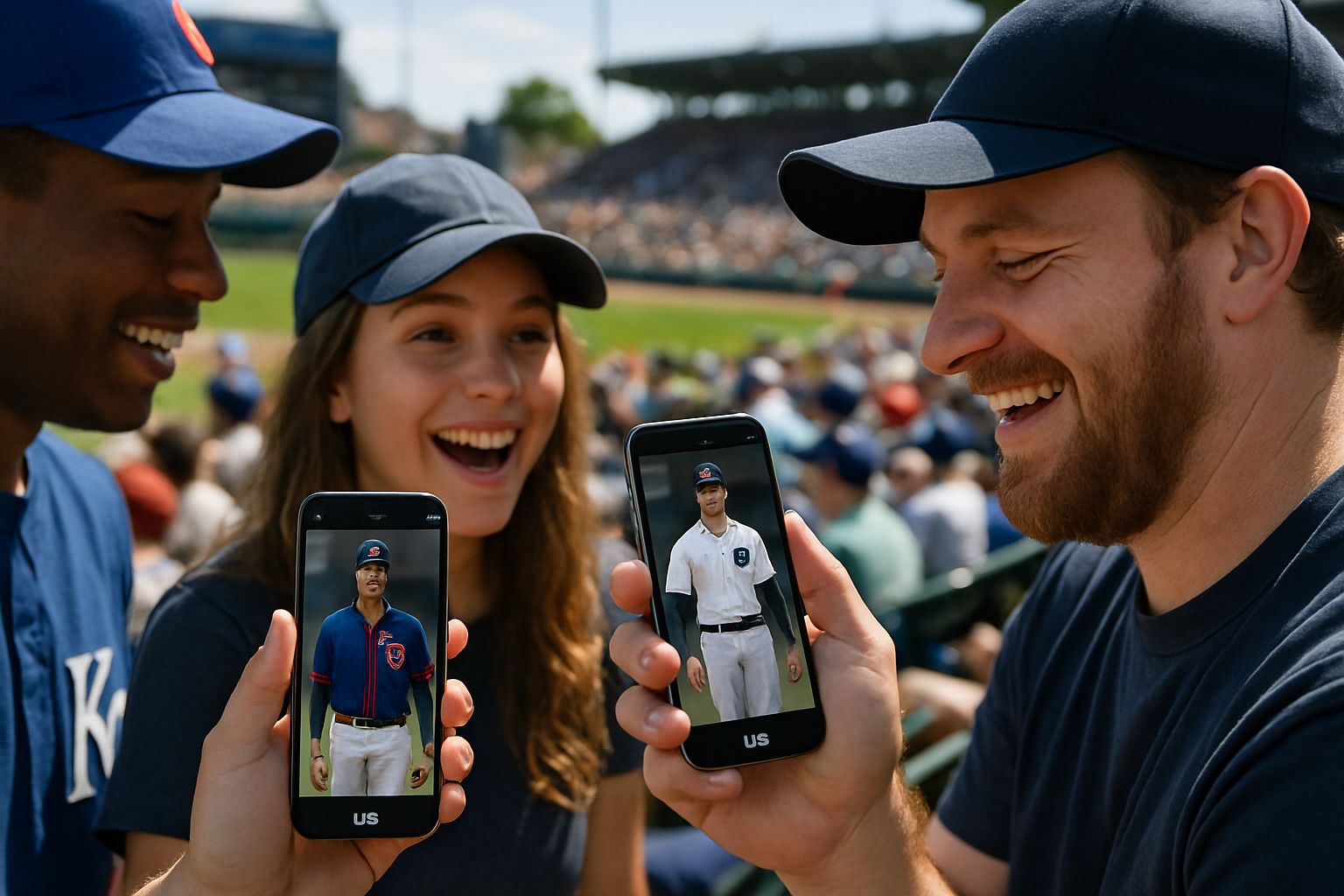
These facts confirm the collaboration’s disruptive scope. However, deeper technical details decide whether hype becomes lasting value.
Technology Behind Player Avatars
Genies pairs 3D stylized models with large language models that mimic conversational tone. Meanwhile, proprietary pipelines auto-generate body rigs, accessories, and stadium-specific animations. Each avatar runs inside a moderated dialogue system that filters sensitive content. Consequently, developers can embed the characters in third-party apps through a software kit. The company asserts that its stack supports millions of concurrent chats without eroding response quality, protecting the hard-won trust placed in AI IP.
Safety Controls In Detail
Content filters block hate speech, sexual material, and child-directed advertising. Moreover, a human escalation team reviews flagged dialogues within minutes. In contrast, earlier celebrity chatbots lacked such multi-layer protection, leading to brand-safety crises. Professionals can enhance their expertise with the AI Government Specialist™ certification to understand policy compliance for emerging avatar ecosystems.
The protective stack aims to prevent reputational damage. Nevertheless, final effectiveness will hinge on transparent reporting once avatars hit real-world traffic.
Monetization Models And Risks
Genies outlined multiple revenue levers that rely on AI IP:
- Paid chat sessions priced per minute or per question
- Digital collectibles such as limited-edition bats or uniforms
- Sponsorship overlays integrated into stadium backdrops
- SDK licensing for external game developers
Furthermore, subscribers may secure priority replies from marquee players, heightening Interests among premium Fans. Nevertheless, the financial split between union and vendor remains undisclosed. Labor advocates warn that unclear percentages could disadvantage rank-and-file athletes, especially if upfront guarantees are minimal. Consequently, economists question whether aggregate value exceeds potential legal exposure tied to misstatements by autonomous avatars.
These uncertainties underline the stakes of digital experimentation. However, clear contract disclosures could resolve many fears before launch.
Legal And Ethical Scrutiny
Personality-rights attorneys flag several unresolved issues. Firstly, players must retain ultimate control over statements that could breach endorsement deals. Secondly, data collected from underage Fans must satisfy COPPA obligations. Moreover, industry watchdogs want evidence that training data excludes private communications, limiting privacy risk within AI IP systems. In contrast, Genies claims its process uses public interviews and on-field footage only, though audits have not been published. Additionally, defamation liability could arise if an avatar issues false claims about opponents, officials, or social issues.
Regulators may soon issue guidance. Consequently, proactive compliance could convert legal hurdles into competitive advantage.
Impact On Fan Engagement
Early social metrics suggest strong curiosity. Posts tagging “MLB avatar” generated over four million impressions within 48 hours. Moreover, Genies predicts each active user will spend six minutes per day chatting, surpassing typical team app dwell times. These numbers excite league sponsors that crave direct lines to young mobile natives. Meanwhile, Avatars allow niche storytelling around clubhouse rituals, boosting Sports narrative depth. Consequently, personalized interactions may convert casual watchers into committed ticket buyers.
These projections showcase engagement upside. Nevertheless, sustained novelty will depend on fresh content cycles and transparent data policies.
Outlook For 2026 Season
Testing begins during spring training with a pilot roster rumored to include ten popular pitchers. Subsequently, Genies will roll out weekly waves until all 1,200 players hold live Avatars. Moreover, integration into fantasy platforms could arrive by mid-season, aligning with betting-adjacent Interests. Investors expect recurring micro-transactions to bolster union revenue faster than memorabilia licensing historically managed. Therefore, analysts anticipate copycat deals across other leagues, pushing AI IP deeper into mainstream Sports.
These developments indicate escalating competition for digital attention. However, only balanced governance will ensure the technology enriches rather than exploits the game.
Consequently, stakeholders face a defining year. Clear policy, robust safety, and fair economics will decide whether interactive baseball avatars become a permanent fixture or a passing novelty.
Implementing these measures could mature the market. Meanwhile, professionals monitoring the convergence of fandom and technology should prepare for rapid evolution.
Conclusion And Next Steps
The Genies–MLB Players, Inc. partnership illustrates how AI IP can transform athlete revenue, fan intimacy, and digital merchandising. Moreover, technical safeguards, transparent contracts, and rigorous governance remain essential for long-term success. Consequently, leaders across leagues must observe pilot outcomes and adapt best practices quickly. Interested readers should track moderation reports, financial disclosures, and user adoption data as the 2026 season unfolds. Finally, explore certifications that deepen regulatory and strategic insight to stay ahead in this dynamic landscape.


