

AI CERTS
4 weeks ago
Military Leadership Shift Reshapes Pentagon AI Strategy
In contrast, OpenAI and xAI stand ready to fill the vacuum. Therefore, observers see opportunity and turbulence intertwined. Meanwhile, policy analysts warn that speed without governance can backfire. This article unpacks the timeline, drivers, and stakes behind the Military Leadership Shift while spotlighting certifications that help experts stay ahead.
Pentagon AI Pivot Timeline
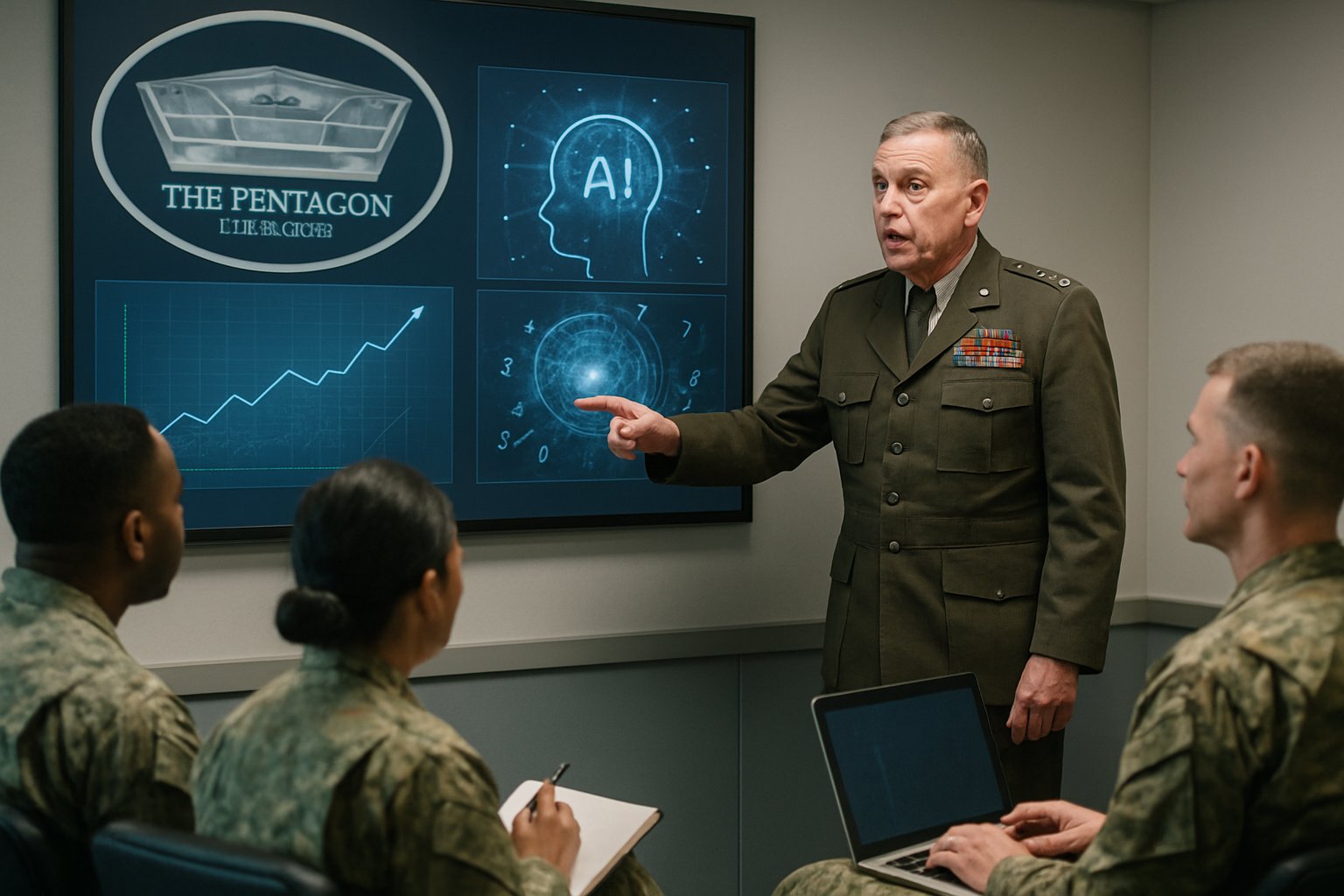
The timeline illustrates rapid movement. On 5 March 2026, the DoD branded Anthropic a supply-chain risk. Subsequently, Anthropic sued, citing punitive overreach. One day later, Defense leaders unveiled Kliger as Chief Data Officer, finalizing the Military Leadership Shift. Furthermore, Emil Michael, the Pentagon technology chief, celebrated the hire on X. Previous reporting shows xAI’s contract worth up to $200 million signed in July 2025. Additionally, Brookings tracked DOGE interventions across agencies throughout 2025.
- 5 Mar 2026 – Anthropic risk designation announced
- 6 Mar 2026 – Gavin Kliger appointed Chief Data Officer
- Jul 2025 – xAI awarded contract ceiling of $200 million
- Early 2025 – DOGE established to drive Efficiency reforms
The timeline underscores compressed decision windows. Nevertheless, each milestone compounds operational pressure.
These dates highlight accelerated shifts. However, deeper forces explain why events moved so quickly.
Drivers Behind Sudden Change
Several drivers pushed leaders toward the Military Leadership Shift. First, battlefield urgency demanded quicker AI deployment. Second, DOGE alumni already demonstrated aggressive Efficiency gains in civilian agencies. Moreover, political leaders wanted visible momentum before the fiscal cycle closed. In contrast, Anthropic’s safety guardrails conflicted with DoD mission needs, triggering supply-chain concerns. Therefore, decision makers saw replacing Anthropic as both a security and schedule imperative.
Two core motivations dominate the discussion. Speed promises tactical edge; governance promises lasting trust.
These forces shaped leadership decisions. Consequently, vendor relationships faced immediate stress.
Supply Chain Risk Fallout
The supply-chain label landed with unprecedented force on a domestic Tech company. Dean Ball told TechCrunch the rebuke usually targets foreign suppliers. Additionally, contractors now must certify they avoid Anthropic models in Defense work. Consequently, vendors race to re-architect systems while ensuring compliance. Meanwhile, Anthropic’s lawsuit calls the designation unlawful and retaliatory. Furthermore, legal scholars predict lengthy proceedings that could chill future partnerships.
Industry attorneys warn about cascading Procurement delays. Nevertheless, some integrators have already migrated to OpenAI models inside GenAI.mil. Therefore, operational downtime appears limited, yet risk calculations have changed.
The fallout tightened compliance deadlines. However, it also opened doors for alternative providers.
DOGE Influence And Controversy
DOGE’s fingerprints cover this Military Leadership Shift. The Efficiency-focused unit championed contract cuts and rapid modernization, often favoring bold Tech experiments. Consequently, critics link DOGE’s rise to xAI’s growing foothold. Moreover, Brookings researchers argue that aggressive churn erodes institutional memory. In contrast, Kliger defends the model, saying wartime urgency outweighs bureaucratic caution. Therefore, balancing innovation and oversight remains a live debate.
Supporters applaud streamlined decision paths. Opponents fear hidden vendor bias and weakened governance.
These contrasting views sharpen oversight demands. Subsequently, acquisition officers are rethinking evaluation frameworks.
Procurement Impact On Vendors
Procurement practices face structural change after the Military Leadership Shift. Contracting officials must replace restricted models while sustaining mission tempo. Furthermore, the up-to-$200 million xAI ceiling signals fresh resource alignment. Additionally, OpenAI gains classified network access, expanding Defense customer bases. However, smaller firms worry about crowd-out effects. Efficiency goals may favor larger, already-cleared platforms. Consequently, diversity in AI suppliers could shrink.
Key vendor implications appear in three areas:
- Certification burdens for Anthropic alternatives
- Compliance audits across subcontractor chains
- Accelerated proposal timelines favoring incumbents
Procurement leaders must juggle speed and fairness. Nevertheless, transparent scoring rubrics can mitigate bias.
Vendor adjustments reshape market dynamics. Meanwhile, warfighters await stable, secure tools.
Operational Stakes For Warfighters
GenAI.mil aims to deliver real-time analytics, targeting aids, and language tools directly to deployed units. Consequently, every leadership tweak reverberates downrange. Moreover, Kliger promises faster capability drops aligned with battlefield cycles. Defense planners hope the Military Leadership Shift accelerates prototype transition. However, analysts caution against unvetted model hallucinations under combat pressure. Therefore, rigorous red-teaming and guardrail tuning stay essential.
Professionals can enhance their expertise with the AI Supply Chain Strategist™ certification. Additionally, such credentials strengthen auditing and integration skills across classified environments.
Warfighters need reliable outputs. In contrast, unstable models could jeopardize lives.
These realities highlight the moral weight of AI choices. Consequently, governance frameworks remain central.
Governance And Next Steps
Effective governance will decide whether the Military Leadership Shift succeeds. Brookings advises bolstering internal talent rather than relying solely on external Tech partners. Furthermore, Congress plans hearings on supply-chain authorities and vendor transparency. Additionally, watchdogs demand clear metrics for Efficiency claims. Therefore, Kliger must deliver quick wins while satisfying oversight bodies.
Three immediate priorities emerge:
- Codify risk-assessment criteria for domestic suppliers
- Publish GenAI.mil performance benchmarks quarterly
- Expand red-team budgets for frontline units
Clear metrics can rebuild trust. Nevertheless, premature declarations of victory risk backlash.
Governance reforms will mature through 2026. Subsequently, skilled professionals must track updates closely.
The Pentagon’s AI journey now hinges on this Military Leadership Shift. Moreover, Defense leaders, vendors, and analysts share responsibility for balanced progress. Consequently, informed practitioners remain the best safeguard against unintended outcomes.


