

AI CERTs
3 hours ago
Micron’s Manufacturing Crunch Signals Extended Memory Shortage
The memory sector just received another jolt. Micron now predicts the industry will face tight supply well past 2026. Consequently, procurement teams fear prolonged cost inflation. Moreover, hyperscale AI rollouts keep absorbing every available gigabyte. Analysts link the squeeze to limited Manufacturing capacity and mounting Resource Scarcity. Meanwhile, Micron’s record results show suppliers still enjoy booming margins. Nevertheless, downstream device makers brace for another turbulent cycle.
AI Demand Squeezes Supply
Generative AI servers need enormous high-bandwidth memory pools. Therefore, HBM chips already consume disproportionate wafer space. TrendForce expects DRAM contract prices to jump 55-60% in Q1 2026. In contrast, smartphone buyers will likely see higher retail costs. Additionally, SK Hynix confirmed its 2026 HBM slate is sold out. The company cited “unprecedented” demand spikes. Resource Scarcity now extends beyond raw silicon; skilled labor and substrate materials also feel the strain.
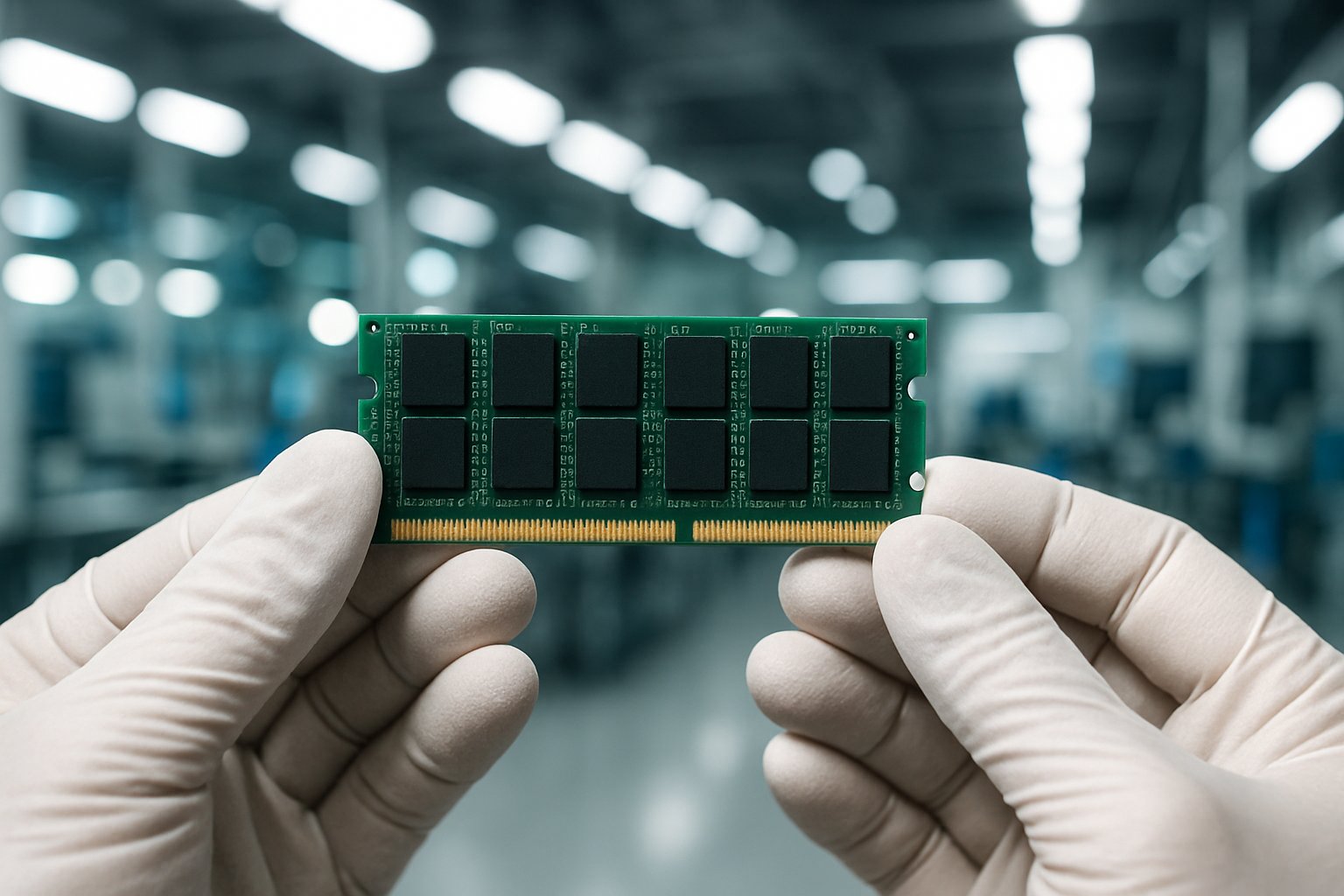
These figures underscore extreme pressure on fabs. However, relief remains distant because new lines need years to qualify. Consequently, Micron executives caution that shortages will “persist through and beyond” 2026. These warnings highlight fragile supply dynamics. Yet, investors currently reward the stronger pricing environment.
Near-term constraints will keep reshaping design priorities. However, the next section examines how Micron plans to expand.
Micron Capacity Expansion Roadmap
Micron’s capital budget rose to US $20 billion for fiscal 2026. Furthermore, the firm broke ground on a major New York campus in January 2026. First wafers from that site arrive around 2030. Meanwhile, an Idaho fab targets mid-2027 starts. Additionally, the company signed a US $1.8 billion deal to purchase Powerchip’s Tongluo facility in Taiwan. That plant could add meaningful output in H2 2027. All projects share one hurdle: advanced Manufacturing tools remain back-ordered.
Micron also invested in Singapore packaging lines to assemble stacked HBM dies. Operations begin later this year, with meaningful scale next year. Consequently, Micron hopes to divert some bottlenecks away from its front-end fabs.
- CapEx FY-2026: ≈ US $20 billion
- Tongluo cleanroom: 300,000 sq ft
- HBM packaging expansion: 2027 ramp
- New York megafab: first wafers ~2030
This multiregional push aims to balance geopolitical risk. Nevertheless, timelines show relief will not arrive quickly. Therefore, OEMs must prepare for continued tight allocation.
Price Shock Spreads Downstream
PC and smartphone brands already feel the sting. Counterpoint Research predicts a 2.1% handset shipment dip for 2026. Moreover, Dell signaled potential notebook delays if spot pricing remains elevated. Consequently, retail DRAM modules have climbed by double-digit percentages since late 2025.
Micron’s gross margin reached 56.8% last quarter. Investors cheered. However, OEM executives lament ballooning bills of materials. Furthermore, Resource Scarcity forces many to sign longer contracts. Consequently, price flexibility disappears.
The tightening spreads beyond memory. Substrates, advanced packaging capacity, and photoresist chemicals also face shortages. Therefore, coordinated industry action becomes vital. Yet, immediate options remain limited.
These pain points motivate competitive shifts that the next section explores.
Competitive Landscape Shifts Fast
Samsung, SK Hynix, and Micron control over 95% of DRAM. Consequently, their expansion cadence dictates market health. Samsung maintains “disciplined” spending, prioritizing profitability over share grabs. Meanwhile, SK Hynix doubles down on HBM, but tool lead times slow progress. Additionally, emerging Chinese players still struggle with cutting-edge Manufacturing nodes.
Therefore, tier-two suppliers cannot bridge the current gap. Moreover, hyperscalers increasingly sign direct supply agreements, bypassing distributors. In contrast, smaller OEMs remain exposed to spot volatility. Resource Scarcity thus amplifies power imbalances.
The reshaped hierarchy pressures policy makers. Consequently, subsidies and export-control debates intensify worldwide. However, overbuilding remains a real risk, as the following section discusses.
Risks Of Overbuilding Capacity
History warns that memory booms often precede painful busts. Barron’s notes potential oversupply once 2027–2029 fabs reach volume. Moreover, Micron, Samsung, and SK Hynix collectively plan tens of billions in new assets. If AI demand growth stalls, inventories could balloon. Consequently, prices may collapse, eroding current gains.
Nevertheless, several buffers exist. First, AI workloads still scale aggressively. Second, legacy DDR markets decline slowly, freeing tools for premium HBM shifts. Third, geopolitical reshoring incentives encourage steady domestic Manufacturing even during down cycles.
Balancing risk versus need remains complex. However, prudent capacity planning will protect margins. The next section outlines practical steps for buyers.
Action Items For OEMs
Procurement leaders must harden supply strategies now. Additionally, multi-year take-or-pay contracts can secure volume at predictable costs. Furthermore, design teams should validate multiple DRAM densities to enhance flexibility. Professionals can enhance their expertise with the AI Learning & Development™ certification.
OEMs should also monitor Manufacturing milestones. For example, Tongluo tool-move dates offer early signals of relief. Moreover, diversifying assembly partners reduces single-point failures. Finally, contingency stockpiles, while expensive, safeguard critical launches.
These tactics mitigate near-term volatility. Nevertheless, long-term ecosystem collaboration remains essential for sustainable growth.
Key Takeaway Checklist
1. Track capex announcements monthly.
2. Negotiate capacity locks before design freeze.
3. Align product roadmaps with realistic wafer starts.
4. Invest in workforce upskilling to navigate Resource Scarcity.
This checklist empowers OEMs to stay proactive. Consequently, they can weather the prolonged shortage while positioning for eventual normalization.
Overall, strategic foresight will define winners in this constrained era.
Conclusion And Outlook
Micron’s stark warning underscores an industry in flux. Furthermore, limited Manufacturing headroom and persistent Resource Scarcity guarantee elevated prices through 2026. However, ambitious expansion plans promise future balance. Consequently, stakeholders must act decisively today. Adopt disciplined sourcing, pursue continuous learning, and monitor capacity roadmaps. Explore the recommended certification to deepen your strategic toolkit and navigate the evolving memory landscape with confidence.


