

AI CERTs
2 months ago
Meta Reality Labs Corporate Shake-Up: What the Cuts Mean
Meta's latest restructuring has sent tremors through the extended-reality sector. However, the January actions focus squarely on its Reality Labs arm. The division, long a costly experiment, lost over $19 billion during 2025 alone. Consequently, Corporate leadership decided decisive cuts were unavoidable. Roughly 10 percent of staff, about 1,300 people, exited during the week-long process. Moreover, several internal VR studios shut down immediately. Investors welcomed the pivot toward wearables and AI, yet industry voices voiced fresh worries. This article unpacks the reductions, financial backdrop, and strategic implications for Corporate strategy. Additionally, it highlights how layoffs, investments, and AR initiatives will shape Meta’s next chapter.
Financial Losses Keep Mounting
Reality Labs has reported red ink since Meta began segment disclosure in 2020. In 2025, the unit generated $2.2 billion revenue but posted a staggering $19.2 billion operating loss. Therefore, cumulative losses now approach $70 billion, according to SEC filings aggregated by analysts. Meanwhile, quarterly figures show a persistent pattern.
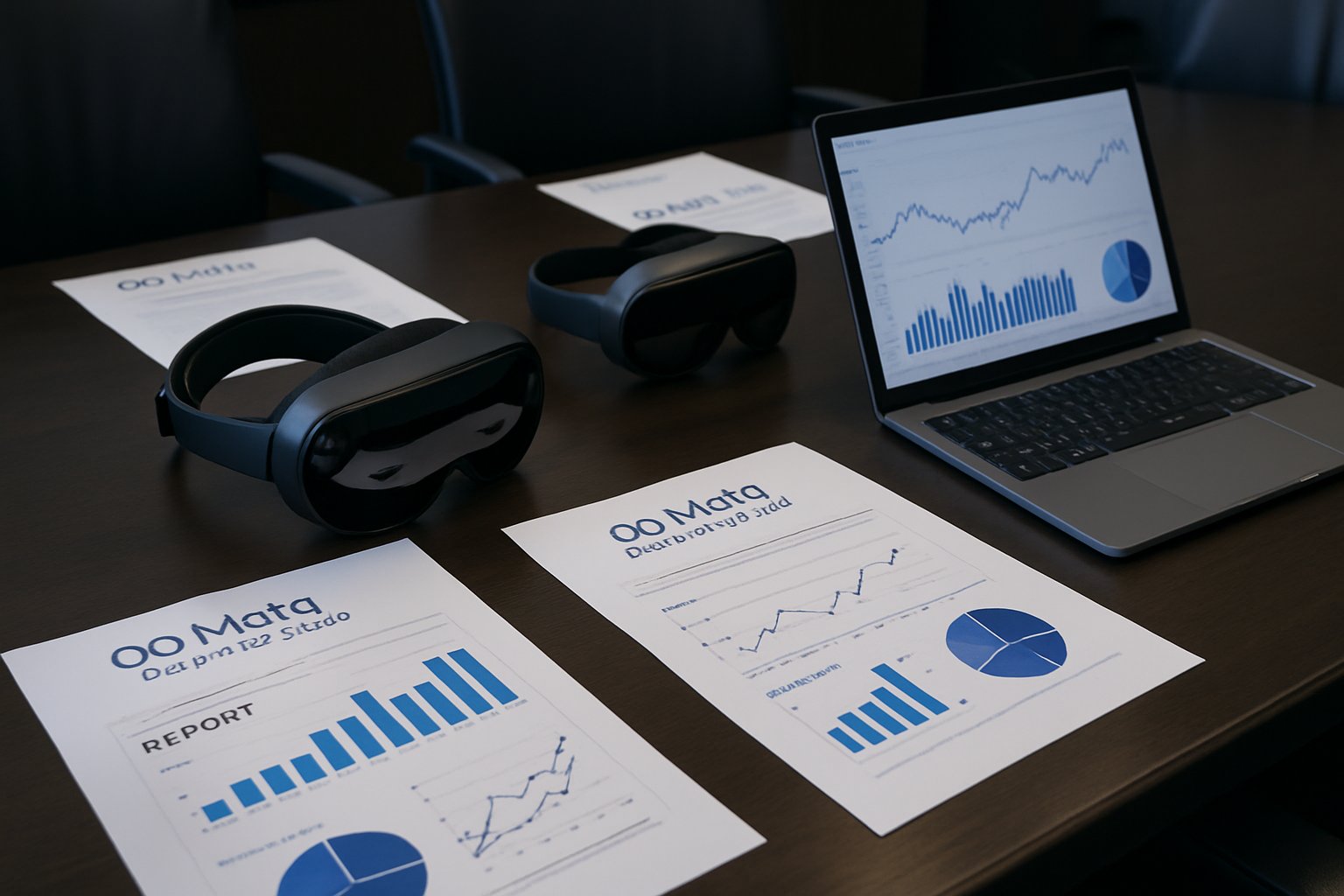
For example, Q3 2025 alone burned $4.4 billion on sales under half a billion. Consequently, Corporate finance teams flagged the segment as the company’s largest profitability drag. Susan Li, Meta’s CFO, signaled mounting pressure to curb spending while sustaining core R&D. These numbers created the backdrop for January’s reductions. Losses of this scale challenged even Meta’s vast advertising engine. Nevertheless, leadership believed careful cuts could redirect investments toward higher-return projects.
January Reduction Details Unpacked
The cutbacks started with an urgent all-hands meeting led by CTO Andrew Bosworth. Subsequently, managers delivered notice to teams building Quest software, Horizon Worlds, and first-party games. Reports from The New York Times placed departures between 1,000 and 1,500 roles. That range equals roughly ten percent of Reality Labs’ 15,000 employees.
Layoffs clustered in California and Texas facilities, confirmed later by WARN disclosure documents. Meta presented the move as a reallocation rather than an abandonment of immersive hardware. Consequently, Corporate communications emphasized continuity for the flagship Quest roadmap despite slimmer content staffing. A restructuring charge will appear in upcoming SEC filings, offering final headcount precision. Overall, the January plan sought fast savings without halting hardware innovation. Next, the closures’ human impact emerges.
Studios Shuttered Impacts Spread
Armature Studio, Twisted Pixel, and Sanzaru learned their doors were closing the same week. Developers called the announcement abrupt, leaving projects in limbo and staff scrambling for options. Meanwhile, the popular Supernatural VR fitness app shifted into maintenance mode with no new content planned. Horizon Workrooms, Meta’s enterprise VR meeting tool, will also wind down.
Key immediate effects:
- Roughly 100 titles under review for continuation or cancellation.
- Developer support budgets cut by about 30 percent, according to insiders.
- Community events for Quest creators postponed indefinitely.
Industry veterans labelled the string of closures a potential "VR winter" for content creators. In contrast, Oculus founder Palmer Luckey suggested trimming unsustainable budgets could aid broader ecosystem health. Corporate observers fear content voids could slow headset adoption. The contrasting opinions underscore uncertain prospects for first-party experiences. Attention now shifts to the new strategic focus.
Focus Turns To Wearables
Meta executives insist resources freed from VR will bolster smart glasses and on-device AI functions. Partnerships with EssilorLuxottica expand Ray-Ban Meta production capacity for the next generation frames. Additionally, an internal memo outlined plans to integrate conversational AI into AR lenses by 2027. Therefore, Corporate storytelling now highlights everyday wearable utility over fully immersive metaverse promises.
Investments in battery efficiency, micro-projectors, and low-latency connectivity top the refreshed hardware backlog. Moreover, CFO Susan Li told analysts that wearables show faster adoption curves than standalone headsets. Professionals can deepen product knowledge through the AI Everyone certification. Wearables thus represent the clearest commercial path forward. Investors appear to agree, at least initially.
Investor Sentiment Remains Mixed
Markets reacted positively on announcement day, lifting Meta shares nearly four percent. Analysts credited promised spending discipline and redirected Investments toward generative AI infrastructure. Nevertheless, some research notes warn content shortfalls could dampen future hardware demand. Watchers also stress that prior Corporate guidance has shifted before, creating forecasting uncertainties.
Analyst viewpoints diverge:
- Bullish cases highlight margin recovery within two quarters.
- Bears project slowing Quest sales after content pipeline shrinks.
- Neutral models expect flat returns while AR products scale.
Consequently, the stock may remain volatile until hard numbers confirm savings and new revenue. Financial community patience will depend on evidence of sustained growth. Risks beyond Wall Street also persist.
Monitoring Future Strategy Signals
Several indicators will reveal whether Meta’s pivot succeeds. Quarterly SEC filings should show exact restructuring charges, updated segment losses, and capital Investments direction. Furthermore, state WARN notices will confirm final Layoffs counts and locations. Product pipelines for AR eyewear will surface through supply chain leaks and developer kits. Consequently, Corporate analysts will watch shipment volumes and attachment rates closely.
Community trust needs nurturing through transparent communication and timely software updates. Meanwhile, talent migration patterns could reshape the broader XR labor market. Layoffs often release expertise that startups or rivals quickly absorb. Data across finance, product, and workforce will indicate trajectory. Finally, stakeholders should synthesize these threads into actionable plans.
Strategic Outlook Lies Ahead
Meta’s Reality Labs overhaul illustrates how even deep-pocketed giants must balance vision and viability. Layoffs provided immediate savings yet risk eroding developer enthusiasm. Meanwhile, concentrated AR focus and smarter Investments could unlock nearer-term revenue streams. Nevertheless, Corporate reputation now hinges on delivering tangible wearable value, not distant metaverse dreams. Therefore, leaders must share clear milestones, maintain remaining talent, and court external creators aggressively. Professionals should monitor filings and consider the AI Everyone certification for deeper insight. Ultimately, disciplined innovation will determine whether Corporate ambitions remain credible. Consequently, the coming quarters merit close scrutiny.


