

AI CERTS
2 months ago
Meta Manus acquisition reshapes Agentic AI landscape
Moreover, Manus already generates meaningful revenue, a rare feat among young AI ventures. Consequently, analysts see the purchase as both a technology grab and a monetization shortcut. Meanwhile, geopolitical watchers noticed Meta’s explicit pledge to sever any remaining Chinese ties. Therefore, the transaction also illustrates how regulatory pressure shapes modern AI strategy. In this article, we unpack the facts, numbers, opportunities, and concerns surrounding the move. Additionally, readers will find certification resources to deepen their understanding of advanced agent systems.
Key Deal Overview Highlights
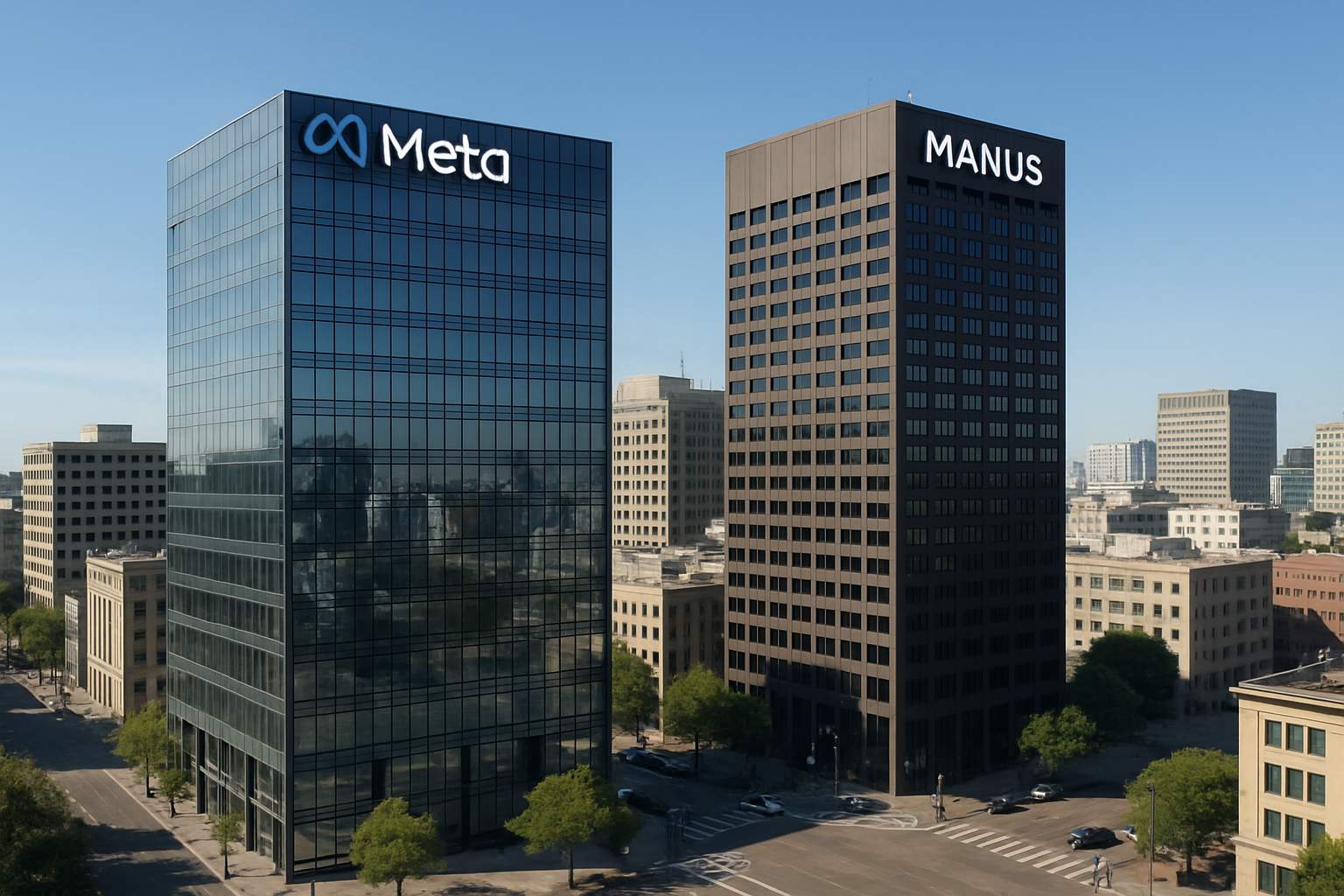
Meta confirmed the agreement on December 29 through statements to Reuters and other outlets. Manus simultaneously published a blog post titled “Manus Joins Meta for Next Era of Innovation.” Together, those announcements offered the first official picture of the Meta Manus acquisition. Reported valuations ranged between $2 billion and $3 billion, although Meta declined to release a price. However, sources familiar with the talks said investors were fully bought out. Xiao Hong, Manus CEO, noted that operations will remain in Singapore while China activities wind down. Furthermore, Alexandr Wang, Meta’s Chief AI Officer, welcomed the 105-person team on social media. Consequently, analysts framed the move as a rapid talent infusion.
These facts sketch a concise outline of what changed overnight. In contrast, deeper product questions demand closer inspection next.
Technology And Product Fit
Manus built an agent capable of planning and performing multi-step tasks across cloud tools. Unlike simple chatbots, the system delivers real-time execution through isolated virtual machines. Moreover, this execution layer supports code runs, web searches, and form filling with minimal prompts. Meta has been racing rivals to ship similar Agentic AI experiences across WhatsApp, Instagram, and Messenger.
Therefore, the Meta Manus acquisition accelerates that roadmap by adding mature infrastructure. Manus claims to have powered more than 80 million virtual computers and processed 147 trillion tokens. Additionally, the architecture aligns with Meta’s large-language models, easing future integration. In contrast, scaling Manus' isolated environments to billions of Meta users will test engineering limits. Nevertheless, the acquisition supplies critical expertise on safe autonomous task execution.
These product synergies explain why Meta moved decisively. Subsequently, financial metrics warrant an equally careful review.
Financial Numbers In Focus
Manus revealed $100 million in annual recurring revenue only eight months after launch. Furthermore, total run-rate revenue hit $125 million, supported by millions of paying users. Analysts compared those figures to other Agentic AI vendors still pre-revenue. Consequently, the Meta Manus acquisition delivered immediate topline growth to Meta’s AI segment. Bloomberg Intelligence suggested the deal price equaled roughly twenty times forward revenue. Meanwhile, Benchmark and Tencent exited with significant multiples on their April investment.
The following numbers summarize the headline metrics:
- $2-$3 billion estimated valuation
- $100 million ARR reported December 17
- 147 trillion tokens processed to date
- 80 million virtual computers launched
- 105 employees across three offices
These statistics illustrate why the relatively small startup commanded a premium. Nevertheless, money alone does not guarantee regulatory approval. Therefore, we next examine geopolitical factors.
Geopolitical And Regulatory Context
Manus started in China before relocating headquarters to Singapore during mid-2025 tensions. U.S. lawmakers had previously criticized venture funding for AI firms with Chinese roots. However, Meta emphasized that the Meta Manus acquisition eliminates any continuing Chinese ownership. Moreover, Manus will shut down remaining services inside China, according to Reuters. Regulators will likely scrutinize data transfers, employee access, and export compliance. In contrast, Singapore’s pro-innovation stance could streamline local approvals. Consequently, Meta pledged to isolate pre-acquisition customer data from internal training pipelines. Autonomous agents able to execute code raise privacy and safety debates. Therefore, external audits may become mandatory before wider deployment.
These geopolitical elements could still influence merger timelines. Meanwhile, potential benefits remain significant, as explored next.
Benefits And Integration Plans
Meta aims to embed Manus’ agent within Meta AI, WhatsApp, and business APIs. Furthermore, the acquisition adds a subscription business already tested in enterprise environments. Additionally, executives view the deal as a shortcut to Agentic AI monetization. Talent retention bonuses will keep Manus engineers focused on scaling autonomous capabilities inside Meta.
Moreover, product managers anticipate new execution features, such as automated form completion and workflow orchestration. Customers may also gain faster integration with Meta’s advertising and commerce clouds. Moreover, professionals can enhance their expertise with the AI Foundation Essentials™ certification. Consequently, ecosystems around Meta’s platforms could mature faster.
These strategic benefits appear compelling. Nevertheless, risks and criticisms deserve equal consideration.
Risks And Criticisms Raised
Skeptics question whether Manus’ claims about 147 trillion tokens are independently verified. Additionally, integrating isolated virtual machines at Meta scale could inflate infrastructure costs. In contrast, agent safety remains an open research problem across the autonomous field. Moreover, policymakers may ask why the Meta Manus acquisition proceeded before a full security review. Data privacy advocates seek guarantees that task actions cannot leak sensitive user information. Nevertheless, Meta’s stated commitment to external audits offers some reassurance.
These critiques highlight potential downside. Subsequently, attention shifts to market impact.
Future Market Impact Outlook
The purchase intensifies competition among big tech players chasing Agentic AI leadership. Google, Microsoft, and Amazon have each invested in similar autonomous agent research. Therefore, the Meta Manus acquisition may force rivals to accelerate dealmaking. A nimble startup building complementary tooling could see valuations soar. Moreover, investors may reward firms that demonstrate early revenue traction. Consequently, acquisition multiples across the sector could expand during 2026.
These market signals will evolve quickly. Meanwhile, professionals should track regulatory filings for additional clarity.
The Meta Manus acquisition closes a year defined by bold AI consolidation. It delivers proven Agentic AI technology, revenue, and talent in one decisive motion. However, success depends on seamless integration, transparent governance, and responsible autonomous deployment. Regulators will watch whether Meta honors promises made during the Meta Manus acquisition. Meanwhile, every ambitious startup now sees a clearer path toward multi-billion exits. In contrast, users will judge the final products by safety, speed, and usefulness.
Professionals can stay ahead by revisiting the AI Foundation certification linked above. Therefore, monitor post-merger milestones and prepare for the next transformative headline after the Meta Manus acquisition. Ultimately, disciplined strategy and ethical practice will define winners in the coming Agentic AI wave. Take action today and deepen your expertise before the market shifts again for your startup ambitions.


