

AI CERTS
2 hours ago
Meta Design Coup: Apple Interface Chiefs Join Reality Labs
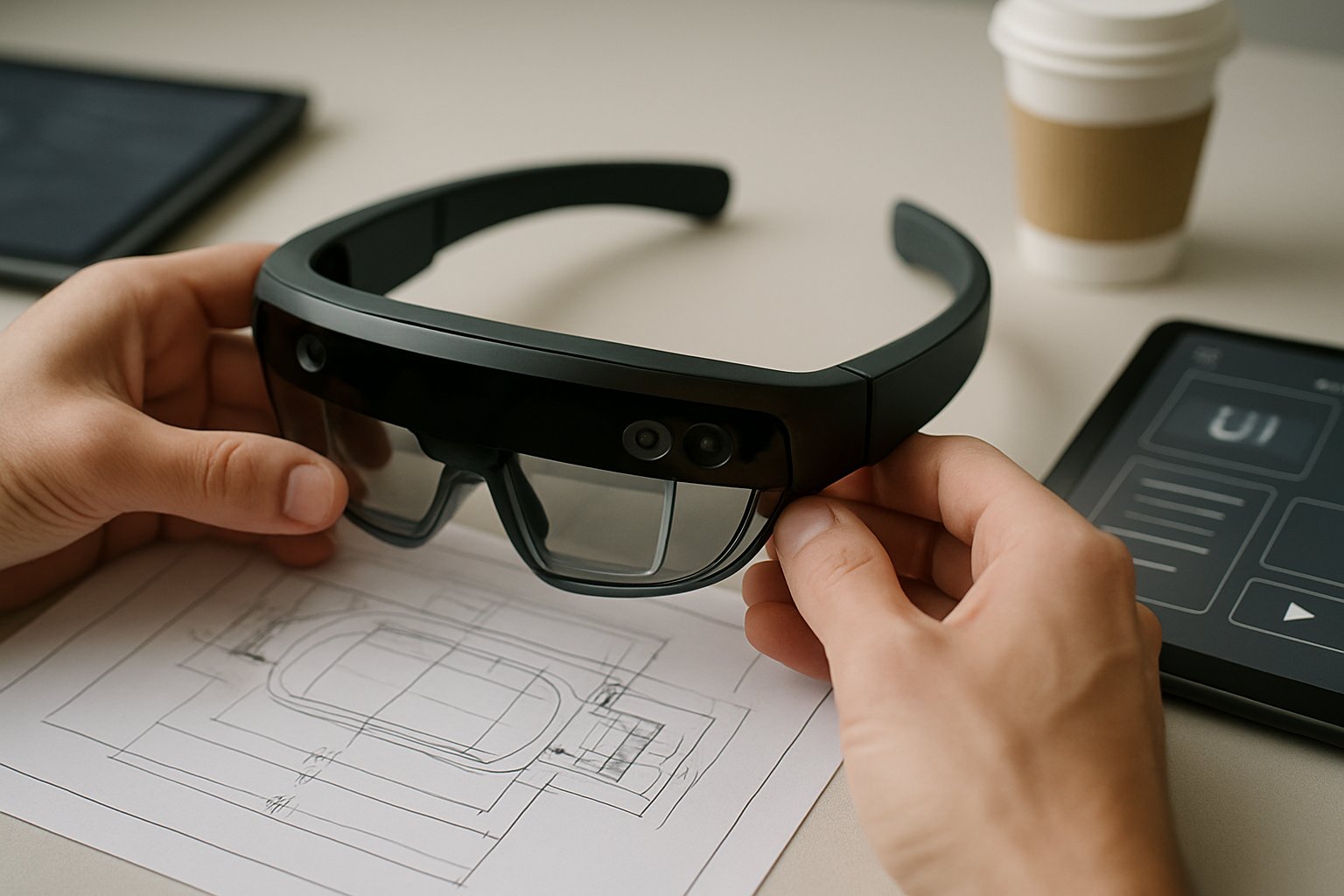
The move signals a fierce contest for interface talent as spatial computing heats up.
Meta Design ambitions now sit center stage as the company chases mainstream wearable adoption.
Furthermore, IDC forecasts show AR Glasses shipments leaping 39 percent during 2025.
Such momentum explains why Meta invests heavily despite billions in Reality Labs losses.
Therefore, executives claim better design will turn curiosity into sustained daily use.
This article unpacks the hires, market context, and strategic risks.
It also highlights actions professionals can take now.
Meta Design Leadership Shift
Reuters confirmed Dye will begin as chief design officer on 31 December 2025.
Moreover, Mark Zuckerberg announced a creative studio merging fashion, intelligence, and hardware under Reality Labs.
In contrast, Apple promoted Stephen Lemay to fill Dye’s human-interface vacancy.
Analysts say the simultaneous exits of two Apple Leads amplify pressure on Cupertino’s remaining designers.
Collectively, these moves reshape Meta Design leadership and intensify design rivalry. Subsequently, attention shifts to Meta’s wider talent strategy.
Big Tech Talent War
Meta has enticed AI scientists all year with unprecedented pay packages.
For example, Bloomberg reported that Ruoming Pang received offers exceeding 200 million dollars.
Furthermore, such figures dwarf typical Bay Area compensation and escalate expectations across competitors.
Nevertheless, observers note skill integration remains harder than cutting large checks.
Meta recruiters now target interface veterans, not only coders, reinforcing multidisciplinary needs.
Therefore, the escalating war covers art, algorithms, and hardware alike. The next section examines Reality Labs ambitions.
Reality Labs Design Ambition
Reality Labs builds Quest headsets and Ray-Ban smart glasses.
However, critics complain about cluttered menus and inconsistent gestures.
Dye’s mandate centers on unifying software surfaces, industrial forms, and voice agents.
Meta Design principles will now treat intelligence as material, according to Zuckerberg.
Additionally, the new studio partners with Pete Bristol and Jason Rubin to align hardware aesthetics with immersive content.
Stronger design cohesion could shorten onboarding times and boost daily retention. Yet market forces will influence success, as outlined next.
Market Context And Stakes
IDC estimates that combined AR and VR shipments will hit 14.3 million units during 2025.
Moreover, Meta held a roughly 55 percent share in several recent quarters.
- Q3 2025 Reality Labs revenue: 470 million dollars
- Q3 2025 operating loss: multibillion dollars
- 39 percent YoY growth forecast for AR Glasses shipments
- Meta shares leadership across the smart-glasses category
Consequently, investors scrutinize every dollar chasing adoption.
Analysts argue that premium design is cheaper than endless marketing.
Meta Design upgrades could convert early adopters into repeat buyers, lifting margins.
Nevertheless, high hardware subsidies remain likely until economies of scale appear.
The financial data underscores both urgency and opportunity. These realities inform product decisions for AR Glasses, discussed next.
Smart Glasses Adoption Benefits
Polished interfaces build trust, especially when devices sit on users’ faces.
Furthermore, Apple Leads understand how subtle animations reduce cognitive load.
Cleaner gestures and fashionable frames can normalize always-on cameras.
In contrast, clunky prototypes scare mainstream shoppers.
Therefore, Meta Design improvements may accelerate AR Glasses daily carry rates.
Professionals can enhance customer conversations with the AI Sales Executive™ certification.
Better design and skilled sales teams reinforce each other. Yet cultural mismatches could hinder execution, as the next section explores.
Risks And Cultural Fit
Apple prizes secrecy and small teams.
Meanwhile, Meta favors open roadmaps and rapid public iteration.
Consequently, some veterans fear process clashes.
Moreover, financial losses could trigger board scrutiny if timelines slip.
Critics warn that generous packages might demotivate existing staff.
Nevertheless, senior designers pledge to preserve craft while scaling impact.
Culture integration remains an unresolved puzzle. The strategic outlook now becomes paramount.
Strategic Outlook Ahead
Industry insiders expect Meta to preview refreshed AR Glasses software at its next Connect conference.
Additionally, a new design language may appear across Quest and mobile portals.
Subsequently, Apple Leads could help slim hardware prototypes, marrying sensors and style.
Meta Design adoption metrics will reveal success or failure by holiday 2026.
The company has staked reputational capital on Dye’s studio. Attention now turns to measurable user delight.
Alan Dye’s jump crystallizes the era’s fusion of design and artificial intelligence.
Consequently, Meta Design stands as a litmus test for wearables reaching the masses.
Improved usability, tighter hardware integration, and fashion credibility could unlock profitable scale.
However, cultural alignment and fiscal discipline will determine endurance.
Professionals tracking AR Glasses should monitor interface updates, shipment numbers, and staff retention.
Meanwhile, upgrading personal expertise remains wise.
Consider strengthening consultative skills through the previously mentioned AI Sales Executive™ certification.
Finally, keep evaluating how user-centric thinking can drive sustainable competitive advantage.


