

AI CERTs
2 months ago
Meta claims AI lets solo engineers match full teams
Investors expected solid numbers from Meta during its January earnings call. However, the company delivered something bigger: a claim that AI now multiplies individual output. Mark Zuckerberg told analysts that projects once needing full teams can be handled by one skilled contributor. Consequently, Wall Street's focus shifted from advertising revenue to engineering efficiency. Meanwhile, Meta's internal data showed a 30% jump in output per engineer since early 2025. Power users of the firm's coding agents reportedly lifted their own productivity by 80% year over year. These numbers echoed broader industry chatter about autonomous software agents remaking work. Furthermore, executives framed 2026 as the year AI reshapes daily operations across the organization. Such positioning raises questions about measurement methods, cultural impact, and broader Workplace Productivity trends.
AI Transforms Team Dynamics
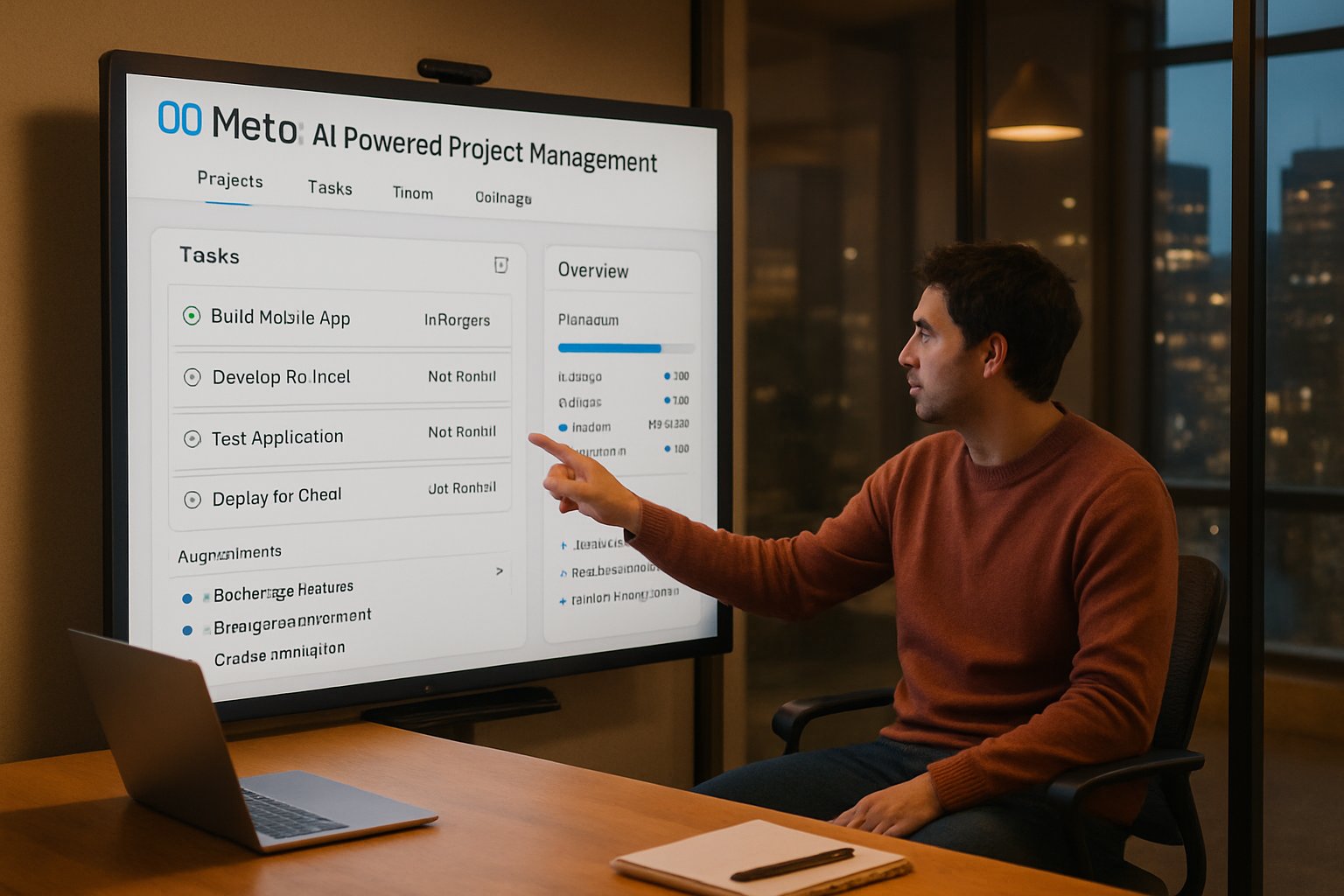
Internally, Meta deploys AI-native tooling woven into coding, testing, and deployment workflows. Moreover, agentic systems can autonomously generate code, run tests, and open pull requests without constant human prompts.
- End-to-end feature coding
- Automated testing and release
- Real-time documentation updates
- Higher Workplace Productivity with fewer handoffs
AI agents compress traditional handoffs and lower coordination overhead. However, governance remains essential to sustain quality at scale. The next step is verifying whether headline metrics truly reflect lasting gains.
Measuring Real Output Uplift
During the call, Meta's finance chief cited a 30% rise in output per engineer since 2025. Additionally, power users who lean on agentic coding tools reported 80% year-over-year performance growth. Such figures excite investors yet worry researchers who seek transparent baselines and measurement definitions. In contrast, independent audits rarely surface, leaving outsiders to trust headline ratios without raw data. Numbers alone obscure distribution across teams and projects. Consequently, analysts call for granular metrics and peer benchmarking. Capital allocation decisions hinge on these details, so we next examine investment plans.
Capex And Cost Tradeoffs
Meta guided 2026 capital expenditure between $115 billion and $135 billion, largely for AI infrastructure. Moreover, data centers, custom silicon, and supercomputer clusters require vast energy and supply chain commitments. Therefore, the promised efficiency must eventually offset rising depreciation, power, and cooling costs.
- Higher fixed costs versus lower staffing needs
- Faster product cycles versus technical debt risk
- Energy demand versus sustainability pledges
These tradeoffs will shape margins and investor sentiment. Nevertheless, leadership insists scale is necessary to maintain frontier models. Yet infrastructure alone cannot guarantee safe deployment, so we turn to operational risks.
Operational Risks And Safeguards
Meta acknowledges that autonomous agents can hallucinate, introduce security bugs, or degrade user trust. Meanwhile, case studies from Ramp and AWS stress human review loops as essential guardrails. Moreover, regulatory bodies scrutinize automated decision systems for privacy, safety, and employment impact. Therefore, companies implement layered controls, automated tests, and staged rollouts before full production exposure. Robust governance mitigates agent errors and reputational fallout. However, governance slows workflows if tooling lacks smart escalation paths. Industry peers provide comparative lessons that inform those escalation strategies.
Broader Industry Context Comparison
Microsoft, Google, and Amazon all tout agentic boosts, yet their disclosures remain less specific than Meta claims. McKinsey surveys show enterprise AI adoption rates nearing 60% but only 23% capture material financial gains. Consequently, operating-model redesign, not mere tooling availability, distinguishes high performers. In contrast, firms that bolt AI onto legacy workflows report modest benefit and lingering maintenance debt. Peer data confirms productivity is uneven across industries. Therefore, competitive advantage depends on culture, process, and governance fit. Skill development represents the next variable in that equation.
Upskilling For Future Work
Teams adopting agentic tools need deeper prompt engineering, evaluation, and oversight skills. Furthermore, Meta encourages engineers to become power users through internal workshops and certification stipends. Professionals can enhance their expertise with the AI in Healthcare™ certification. Additionally, program content around model governance translates directly to Workplace Productivity gains. Continuous learning lets staff supervise agents rather than fear displacement. Consequently, organizations maintain morale while extracting maximum value. These people, process, and technology threads converge in the broader outlook.
Key Takeaways Moving Forward
Meta's headline numbers spotlight AI's ability to compress timelines and shrink team sizes. However, robust measurement, governance, and skilled talent determine whether those gains persist. Costly infrastructure bets mean Meta must translate efficiency into sustained margin expansion. Meanwhile, rivals race to replicate Meta's agentic stack, amplifying competitive pressure. Workers therefore should upskill in prompt design, evaluation, and oversight to stay valuable. Leaders must pair transparent metrics with strong safeguards to avoid backlash and regulatory trouble. Organizations that balance tooling, talent, and governance will unlock outsized Workplace Productivity benefits. Explore emerging certifications and deepen your AI governance expertise to lead that transformation today.


