

AI CERTS
2 hours ago
MannKind AI Health pediatric inhaled insulin results
Pediatric trial key overview
INHALE-1 was a Phase 3 randomized, open-label study across multiple U.S. centers. Investigators randomized 230 children aged four to seventeen. Participants had Type 1 Diabetes in ninety-eight percent of cases. Additionally, a two-percent minority presented with Type 2 disease. Basal injections remained constant, while mealtime therapy differed. One arm inhaled Technosphere Insulin; the comparator used injected rapid analogs. Primary analysis tracked HbA1c change over twenty-six weeks.
In contrast, secondary endpoints included CGM time-in-range, weight, satisfaction, and lung function. These design features establish rigorous clinical credibility. Nevertheless, open-label structure posed potential behavioral biases. The overview underscores a solid experimental foundation. Consequently, subsequent sections can focus on detailed performance.
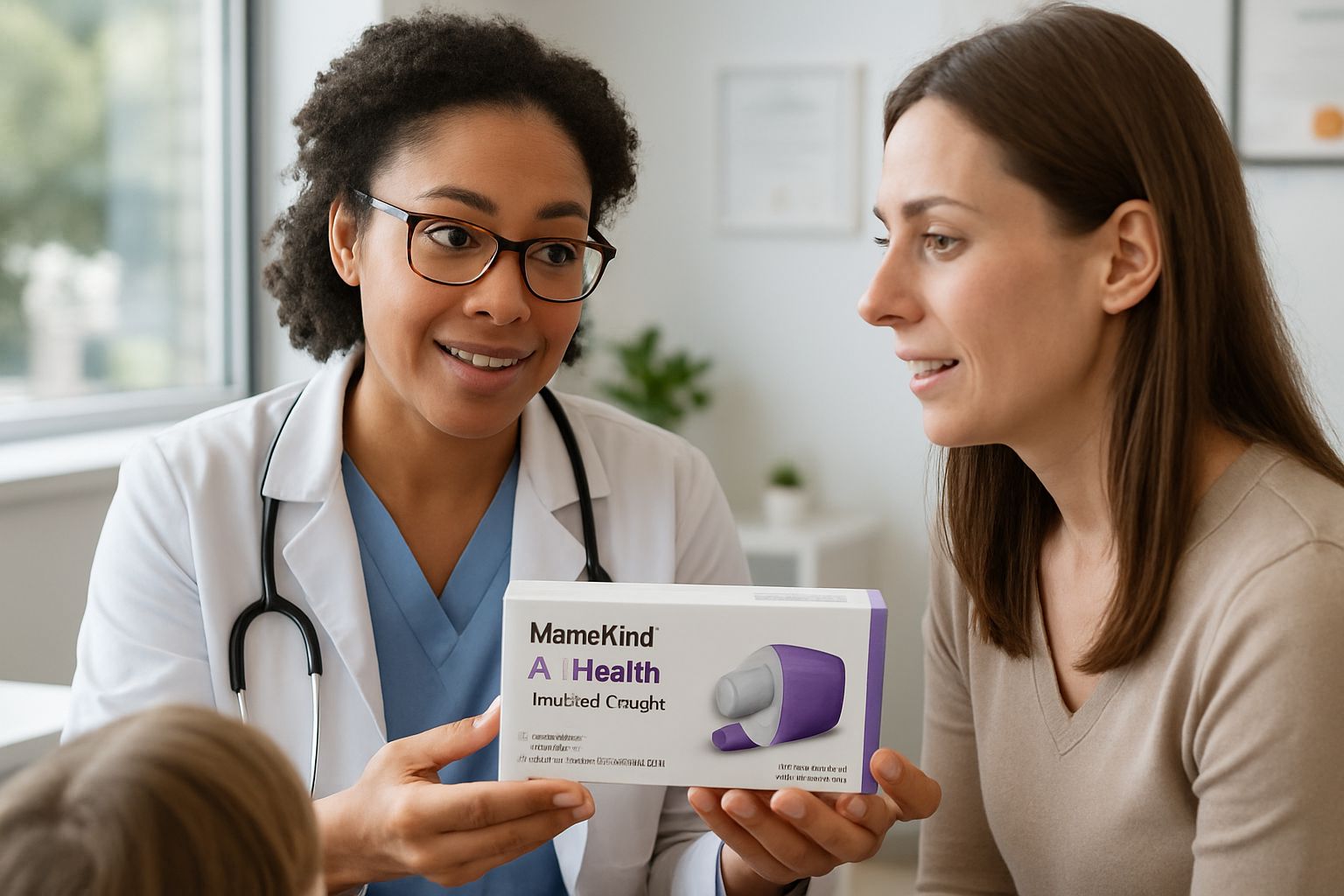
Efficacy data core insights
The intent-to-treat analysis showed an adjusted HbA1c difference of plus 0.18 percent. Therefore, non-inferiority narrowly failed against the 0.4-percent margin because the upper confidence bound hit 0.43 percent. Per-protocol sensitivity met the predefined bar with a plus 0.10-percent gap. Moreover, continuous glucose monitoring revealed a nonsignificant minus 2.2-percent time-in-range change. Investigators attributed HbA1c variability mainly to one non-adherent participant. Nevertheless, conservative regulators emphasize intent-to-treat results. Key numeric highlights include:
- HbA1c ITT difference: +0.18 % (95 % CI −0.07 to 0.43)
- HbA1c per-protocol difference: +0.10 % (95 % CI −0.15 to 0.34)
- Time-in-range delta: ‑2.2 % (95 % CI -7.0 to 2.7)
Consequently, efficacy appears comparable, though not superior. These outcomes invite balanced interpretation. Meanwhile, industry observers watch whether future extension data strengthen confidence.
Safety profile deep analysis
Pulmonary concerns dominate any inhaled medicine discussion. Importantly, INHALE-1 reported no significant forced expiratory volume reduction. Furthermore, severe hypoglycemia occurred twice with Technosphere Insulin against once in the comparator cohort. Weight gain favored inhalation, showing statistically lower body-mass index increases.
Moreover, no bronchospasm events surfaced, yet baseline spirometry remains mandatory under the current adult label. Professionals can deepen risk management skills with the AI Security Specialist™ certification. The evidence suggests a reassuring short-term profile. Still, longer surveillance will be vital because respiratory effects can emerge gradually. In summary, safety signals appear manageable. Consequently, regulators may weigh benefits over residual uncertainties.
Patient centric benefit highlights
Children often fear needles; Afrezza removes that burden. Additionally, ultra-rapid absorption better matches mealtime glucose spikes. Surveys within the study showed higher treatment satisfaction, with statistical significance at p = 0.004. Moreover, less weight gain could translate into cardiometabolic advantages over time. Parents reported easier school dosing because inhalation avoids syringe storage rules.
Nevertheless, spirometry scheduling imposes added clinic visits. The net patient experience skews positive, especially for active adolescents. These qualitative gains complement near-equivalent glycemic outcomes. Therefore, patient voice will likely influence adoption once regulatory gates open.
Regulatory path moves ahead
The FDA accepted the pediatric supplemental biologics license on October 13, 2025. Accordingly, a PDUFA action date of May 29, 2026 now guides corporate milestones. Historically, the agency demanded pediatric trials as a postmarketing commitment. Consequently, completion of INHALE-1 fulfills that obligation. However, the narrow non-inferiority miss may trigger advisory committee scrutiny.
MannKind forecasts decision outcomes during its Q2 earnings call. Meanwhile, MannKind AI Health continues briefing stakeholders at scientific conferences. Should approval arrive, Afrezza would become the first U.S. needle-free pediatric insulin. These steps underscore an advancing regulatory narrative. Subsequently, commercial planning accelerates.
Market adoption hurdle map
Insurance formularies previously restricted adult Afrezza, citing device costs and spirometry burdens. Moreover, some endocrinologists voiced workflow challenges integrating lung testing. Reimbursement discussions will intensify once pediatric labeling finalizes. In contrast, digital health startups plan support services to streamline respiratory monitoring. Pricing strategy also matters because families face rising diabetes care expenses.
Additionally, school policies on inhaled drugs vary by district, potentially slowing uptake. Nevertheless, strong patient preference could sway payers toward coverage. These obstacles highlight operational complexity. Consequently, broad education campaigns will be essential.
Strategic industry wide implications
Competitors pursue alternative rapid insulins, including mini-dose glucagon pens and closed-loop algorithms. However, inhalation remains the only truly needleless mealtime modality today. Furthermore, positive pediatric data may stimulate partnerships for combination therapies within automated delivery systems. Device makers exploring integrated smart inhalers may approach MannKind AI Health seeking collaborative pilots.
Additionally, big pharmas could revisit out-licensing talks shelved after earlier commercial setbacks. The broader clinical community watches to see if real-world outcomes mirror trial observations. Strategic momentum therefore hinges on regulatory success and payer uptake. These industry ripples could reshape pediatric insulin landscapes. Subsequently, continuous innovation will redefine competition.
The above market analysis closes our section series. Overall, Afrezza’s pediatric dossier mixes promise with caution.
Consequently, clinicians and investors must balance clinical nuance, safety vigilance, and cost realities while awaiting FDA judgment.


