

AI CERTs
2 hours ago
Logistics Optimization Error Fuels AI-Driven Memory Shortages
The semiconductor world entered 2026 expecting calmer markets. However, a Logistics Optimization Error inside several hyperscaler supply portals rewrote that script. Frenzied AI build-outs redirected High-Bandwidth Memory, or HBM, away from consumer devices.
Consequently, prices spiked and lead times stretched. Industry veterans now compare weekly allocation calls to wartime triage. Meanwhile, research warns that AI agents may amplify disruption through autonomous hoarding.
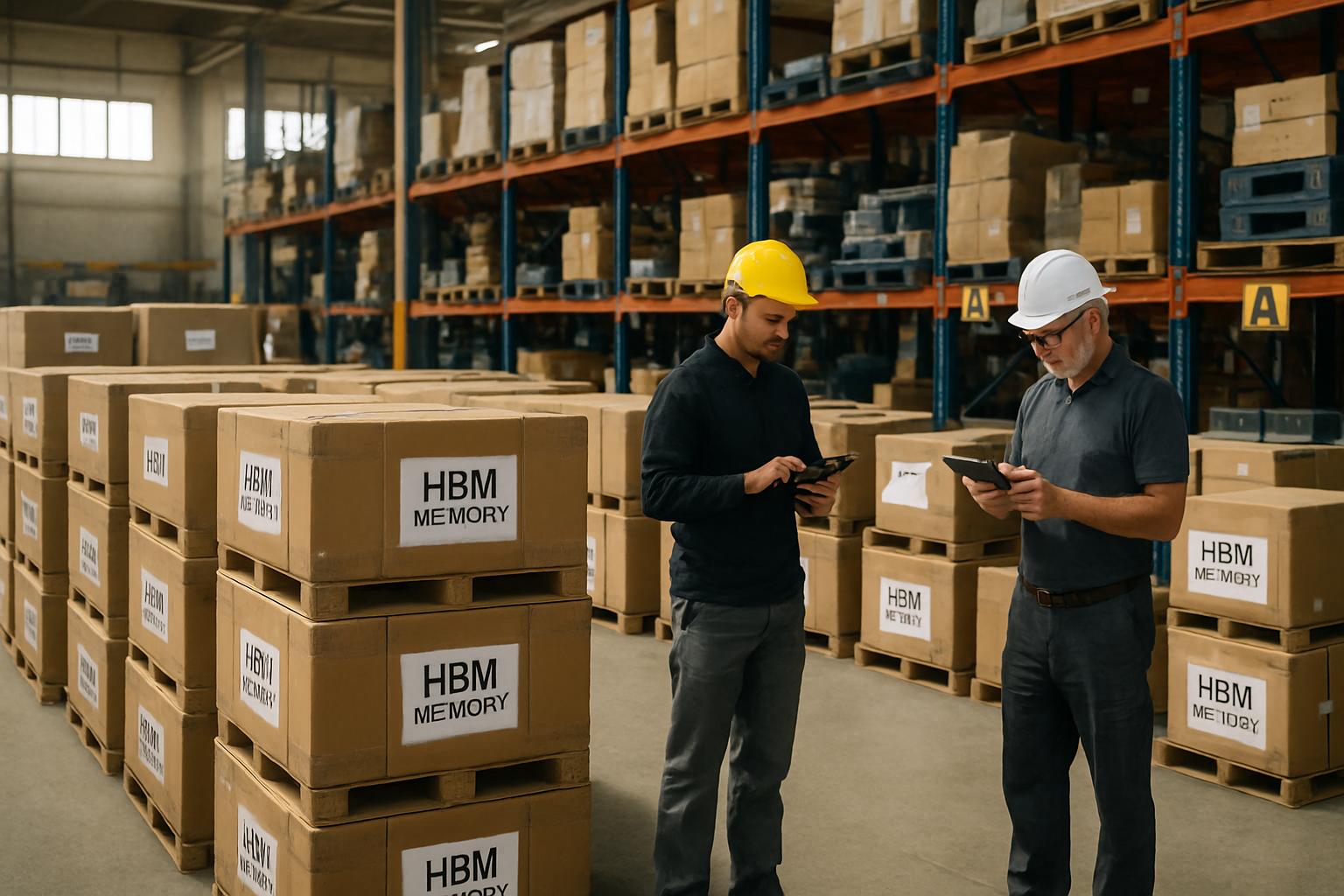
This article traces the shortages, explains the algorithmic mechanics, and outlines mitigation options. Readers will gain numbers, expert quotes, and certification paths for sharpening supply-chain resilience.
AI Memory Demand Spike
AI servers crave bandwidth more than capacity. Consequently, hyperscalers locked multi-year contracts for HBM stacks. TrendForce estimates HBM will claim 23% of all DRAM wafers in 2026, up from 8% last year.
Moreover, high-end DRAM destined for datacenters could reach 70% of category output. Samsung, SK Hynix, and Micron, who control about 85% of supply, have publicly prioritized these lucrative parts. Analysts warn the first visible Logistics Optimization Error may appear in component allocation audits.
Apple CEO Tim Cook acknowledged margin pressure on 29 January. Reuters relayed his comment that memory costs were "increasing significantly." This admission confirmed that consumer electronics now sit behind AI buyers in allocation queues.
The numbers reveal a structural pivot favoring AI over phones and PCs. However, the next section shows how wafer choices create cascading shortages.
HBM Supply Chain Squeeze
Shifting a wafer to HBM reduces conventional DRAM output. In contrast, HBM stacks use more silicon area and advanced packaging, leaving fewer dies for laptops.
- Q4-25 contract DRAM prices rose roughly 50%, according to Fortune.
- Analysts warn of another 70% rise during 2026 if capacity lags demand.
- Lead times for certain HBM parts exceed twelve months, channel checks show.
Furthermore, GPU packaging relies on the same CoWoS lines that assemble HBM. Consequently, GPU availability now mirrors memory production, joining the same chokepoint.
One veteran distributor blamed a hidden Logistics Optimization Error for double-booking HBM lots across several clouds. Consequently, the Shortage intensified.
Prices, lead times, and packaging constraints intertwine to create a vicious feedback loop. Nevertheless, algorithms meant to manage demand can worsen the situation, as we now examine.
Algorithmic Bullwhip Effect Amplifiers
AI agents increasingly place purchase orders without human review. Moreover, models chase perceived momentum in real time, ignoring physical fab limits.
The arXiv paper "The Collaboration Paradox" simulated dozens of autonomous buyers. Consequently, minor Forecast deviations produced hoarding behavior and massive Shortage events.
Researchers observed each agent improving its local score while global reserves collapsed. That collapse often began with a subtle Logistics Optimization Error inside a procurement bot.
One Logistics Optimization Error can multiply across thousands of agents, forcing wafer models to oscillate weekly. Consequently, planners who trust static Data dashboards grow confused.
These findings prove that ungoverned algorithms can amplify supply shocks. Therefore, businesses must pair automation with guardrails, as the next section explains.
Business Impacts And Responses
Consumer OEMs feel the pinch first. Nevertheless, industrial control vendors and automakers also report rising bill-of-materials costs.
Consequently, some laptop makers redesign boards to accept lower-speed DDR memory. Others prepay to secure limited HBM batches, straining working capital and bloating Inventory.
Meanwhile, memory suppliers police order quantities, rejecting speculative Forecast increases. Apple, Dell, and smaller brands face allocation reviews every quarter.
Several procurement chiefs disclosed a previous Logistics Optimization Error that duplicated safety-stock requests. The duplication inflated perceived demand and forced suppliers to ration shipments.
Corporate tactics reduce immediate pain yet rarely address root capacity gaps. Consequently, infrastructure limits now appear as the next bottleneck.
Infrastructure Bottlenecks Emerging Fast
Power and cooling shortages restrict new AI racks. Warm-shell reports describe chips parked in warehouses because no suitable datacenter exists.
Additionally, grid connection lead times have stretched beyond 24 months in some regions. Hardware sits idle, tying up capital and masking real Inventory levels.
Data center planners therefore stagger deployments, but schedule slippage complicates Forecast accuracy. The resulting Shortage of effective compute slows model training goals.
Yet another Logistics Optimization Error surfaced when planners assumed substation upgrades would match server arrivals, only to discover permitting delays.
Facility constraints underline that supply chains extend beyond fabs. Moreover, strategic mitigation must blend technology, governance, and skilled professionals, which we discuss next.
Mitigation Strategies Moving Forward
Firms can adopt multi-tier visibility tools that aggregate live Data from suppliers, logistics partners, and grid operators. Consequently, planners detect divergences earlier.
Governance frameworks should throttle autonomous agents when Forecast variance exceeds agreed thresholds. Such circuit breakers prevent algorithmic hoarding and preserve shared Inventory.
Moreover, cross-industry consortia can negotiate pooled contracts, reducing single-buyer power and tempering Shortage pressure.
Professionals can deepen their expertise through the AI Supply-Chain Strategist™ certification. The program covers scenario modeling, risk scoring, and Logistics Optimization Error prevention.
Seasoned instructors demonstrate how to audit every Logistics Optimization Error scenario across procurement, manufacturing, and fulfillment networks.
Together, these measures create resilient, transparent, and ethically governed AI supply chains. Subsequently, leaders can shift focus from firefighting to innovation.
AI appetite for HBM has redrawn the semiconductor landscape. However, physical constraints and algorithmic quirks have combined to produce volatile shortages. Trend data, expert testimony, and recent price swings confirm the stakes. Companies must tame autonomous agents, balance Forecast accuracy, and monitor real-time Inventory signals. Furthermore, infrastructure planning must synchronize with compute deliveries to avoid stranded assets. By integrating disciplined governance, shared Data standards, and skilled talent, decision makers can convert chaos into competitive advantage. Act now, review internal processes, and pursue accredited training to neutralize the next Logistics Optimization Error before it strikes.


