

AI CERTs
2 hours ago
Logistics Optimization Error Drives Global Memory Supply Crunch
Warnings of another chip crunch are echoing across boardrooms. However, executives now blame a different culprit: an AI-driven Logistics Optimization Error that spiraled beyond planners. Consequently, production schedules for memory chips no longer align with consumer demand curves. Manufacturers redirected wafer lines toward high-bandwidth memory for data centers, squeezing traditional devices. In contrast, TrendForce measured DRAM Inventory plunging from seventeen weeks to scarcely three by October 2025. Moreover, distributor reports show spot prices doubling across several categories within twelve months. Meanwhile, Samsung co-CEO TM Roh labeled the Shortage unprecedented and signaled further price hikes. Additionally, SK Group’s chairman admitted fear of missing orders from countless anxious customers. Therefore, the Supply Chain faces a structural shock that extends beyond simple cyclicality. Nevertheless, informed leaders can still act decisively if they grasp root causes and timelines. This article maps those drivers and offers pragmatic countermeasures.
AI Demand Reshapes Supply
Global AI workloads ballooned after GPT-4 scaled, igniting a scramble for accelerator memory. However, HBM requires complex stacking and limited CoWoS packaging, restricting wafer throughput. Consequently, suppliers prioritized lucrative HBM over commodity DRAM used in laptops and televisions. Moreover, hyperscalers locked exclusive long-term agreements that monopolized future capacity.
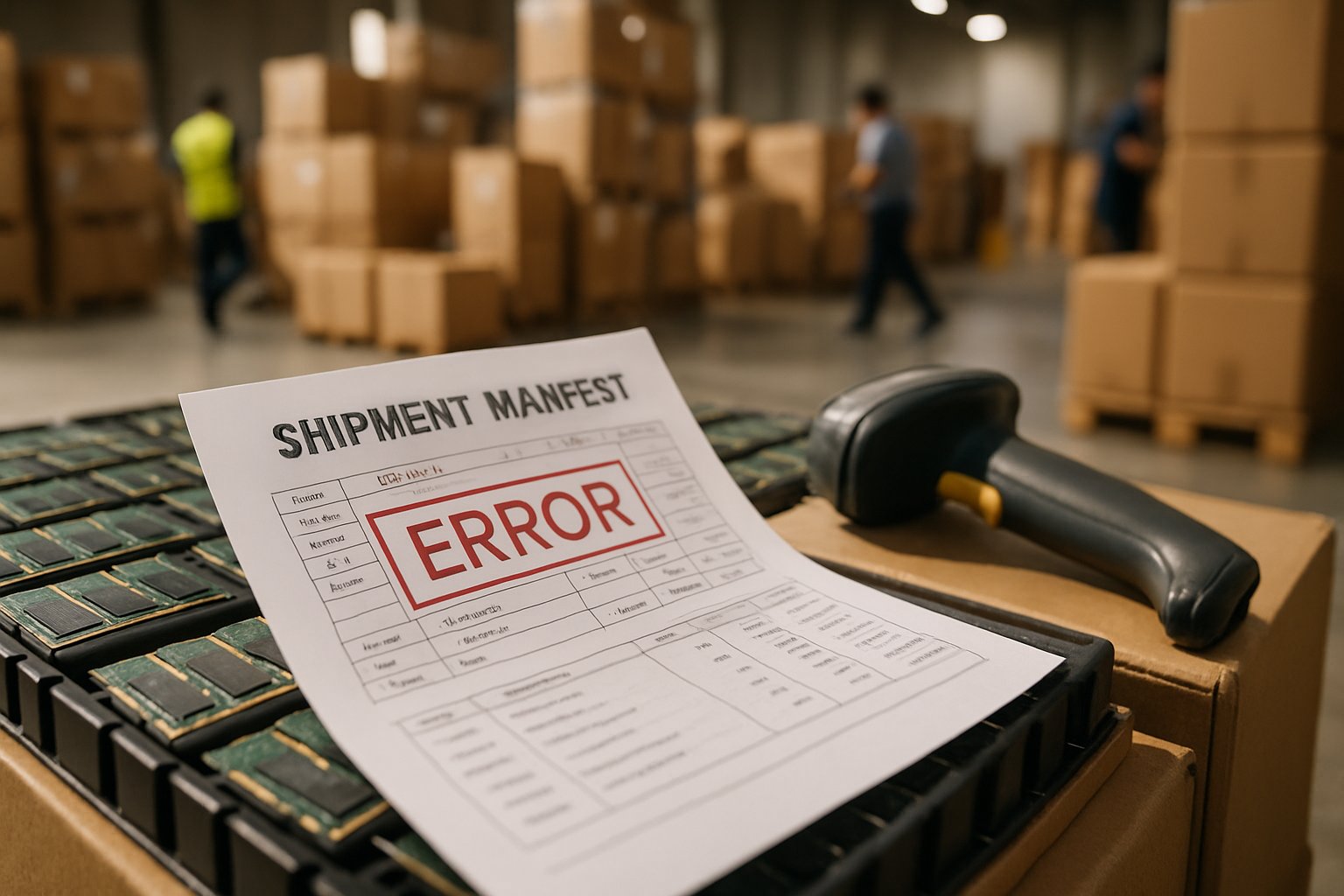
In contrast, mid-tier OEMs received shrinking allocations and lengthening lead times. Meanwhile, distributors noted weekly bid-and-ask spreads widening, reflecting another Logistics Optimization Error. Therefore, procurement managers faced unpredictable cash requirements and design revisions. This cascading Logistics Optimization Error highlighted brittle planning algorithms that missed emergent AI investment curves.
Subsequently, experts warned that misaligned demand signals could persist for several years. Nevertheless, understanding the timeline helps frame realistic mitigation paths. These dynamics illustrate how a single variable reshapes the whole Supply Chain ecosystem. Consequently, stakeholders must track memory market milestones closely.
AI demand redirected wafer capacity, starving consumer segments and smaller clouds. However, mapping the timeline clarifies where pressure intensifies next. Next, the historical record reveals exactly when alarm bells rang.
Memory Crisis Timeline Map
Industry trackers first flagged abnormal order acceleration in late 2024. Moreover, DRAM Inventory dropped from thirteen weeks to four within nine months. Consequently, TrendForce projected double-digit percentage price jumps every quarter through 2026. Meanwhile, Samsung confirmed HBM4 sampling to hyperscalers during its Q4 2025 earnings call.
January 2026 saw suppliers raise contract quotes by another thirty percent on average. In contrast, consumer DRAM prices sometimes doubled inside the spot market. Additionally, reports surfaced that OpenAI’s Stargate program could consume 900,000 wafers monthly by 2029. Such commitments forced manufacturers to rebalance product portfolios overnight.
Subsequently, analysts revised 2027 revenue Forecast for the memory segment upward by twenty percent. Moreover, Greyhound Research warned of wider macroeconomic drag if the Shortage lingers. Therefore, observers monitor earnings calls, price trackers, and construction permits for decisive inflection points. This logistical volatility again roots back to the initial Logistics Optimization Error embedded in AI growth projections.
Price Surge Key Statistics
- TrendForce recorded 28-33% quarter-over-quarter server DRAM hikes in Q4 2025.
- Analysts link the spike to a Logistics Optimization Error within hyperscaler planning systems.
- HBM wafer demand may double global capacity by 2029 under current Forecast models.
The timeline shows supply lagging demand despite aggressive capital plans. Consequently, executives must reassess production milestones every quarter. The human cost of delayed hardware now surfaces across every business stack.
Business Impacts And Risks
Consumer device makers face thinner margins as memory bills swell. Moreover, some smartphone brands cut flagship RAM configurations to hit price targets. Meanwhile, smaller cloud providers delay GPU clusters because DRAM kits are unobtainable. Consequently, service launches slip and revenue recognition stalls.
In contrast, memory manufacturers post record profits and channel more cash into new fabs. However, their cautious capital discipline means relief arrives slowly. Therefore, the Shortage could extend inflation beyond hardware and into digital services. Additionally, analysts cite Supply Chain concentration as a systemic risk for national security.
Greyhound Research argues the memory squeeze now resembles oil shocks of earlier decades. Nevertheless, proactive governance may cushion downstream industries. Subsequently, boards are adding chip-market updates to every quarterly risk report. This heightened vigilance again stems from repeated Logistics Optimization Error surprises.
Rising costs, delayed projects, and security worries all trace back to supply misalignment. However, several strategic levers already appear on corporate roadmaps. The following section explores practical countermeasures now gaining traction.
Strategic Responses Now Emerging
Manufacturers accelerate HBM investments but still quote multi-year construction timelines. Moreover, Micron allocates additional capex toward advanced packaging lines supporting AI accelerators. Consequently, industry watchers expect incremental relief in late 2027. Nevertheless, near-term scarcity remains.
Customers diversify vendors, pre-pay for capacity, and redesign boards to accept alternative memory interfaces. Additionally, purchasing groups build rolling safety stock to buffer unpredictable Inventory swings. In contrast, some enterprises delay nonessential refresh cycles, freeing allocation for critical workloads. Consequently, planning dashboards integrate real-time market telemetry.
Policy makers also expand subsidy programs to reduce geographic concentration. Moreover, strategic reserves for semiconductors are under discussion in several economies. Therefore, collaboration between governments and industry could shorten the Shortage window. This collaboration seeks to avoid another catastrophic Logistics Optimization Error during future capacity cycles.
Certification Path To Resilience
Skilled professionals remain vital for translating executive intent into resilient operations. Consequently, many managers pursue targeted credentials to bridge technology and procurement domains. Professionals can enhance their expertise with the AI Supply-Chain Strategist™ certification. Moreover, the program covers demand sensing, risk modeling, and Logistics Optimization Error prevention best practices.
Tactical actions, diversified suppliers, and skilled staff collectively ease disruption effects. Nevertheless, continuous monitoring and adaptive Forecast scenarios remain essential. The final section distills key insights and next steps.
Key Takeaways And Actions
The semiconductor squeeze illustrates how fragile digital foundations can become. However, the originating Logistics Optimization Error shows that data, not machinery, triggered today’s turmoil. Moreover, hyperscaler demand continues accelerating, compressing Inventory buffers. Consequently, contract prices may climb until new mega-fabs reach volume by 2027. Nevertheless, diversified sourcing, real-time dashboards, and credentialed talent already mitigate the worst shocks. Additionally, proactive policy support can shorten the Shortage horizon for critical sectors. Therefore, leaders must review Forecast assumptions quarterly and align capital with realistic ramp rates. Act now, explore certifications, and insulate your Supply Chain from the repetitive Logistics Optimization Error cycle.


