

AI CERTS
2 hours ago
Lenovo’s Transparent Laptop Concept Hardware Debuts at MWC
This article dissects the Concept Hardware breakthrough, technical hurdles, and commercial outlook. Moreover, we examine how the prototype aligns with rising micro-LED investment across suppliers. Readers will learn why some analysts forecast rapid growth yet caution about manufacturing costs. Additionally, discover professional upskilling pathways through relevant AI certifications. In contrast, critics highlight privacy, resolution, and typing ergonomics as unresolved obstacles. Therefore, a balanced view remains essential when assessing this bold engineering showcase.
MWC Debut Overview Insight
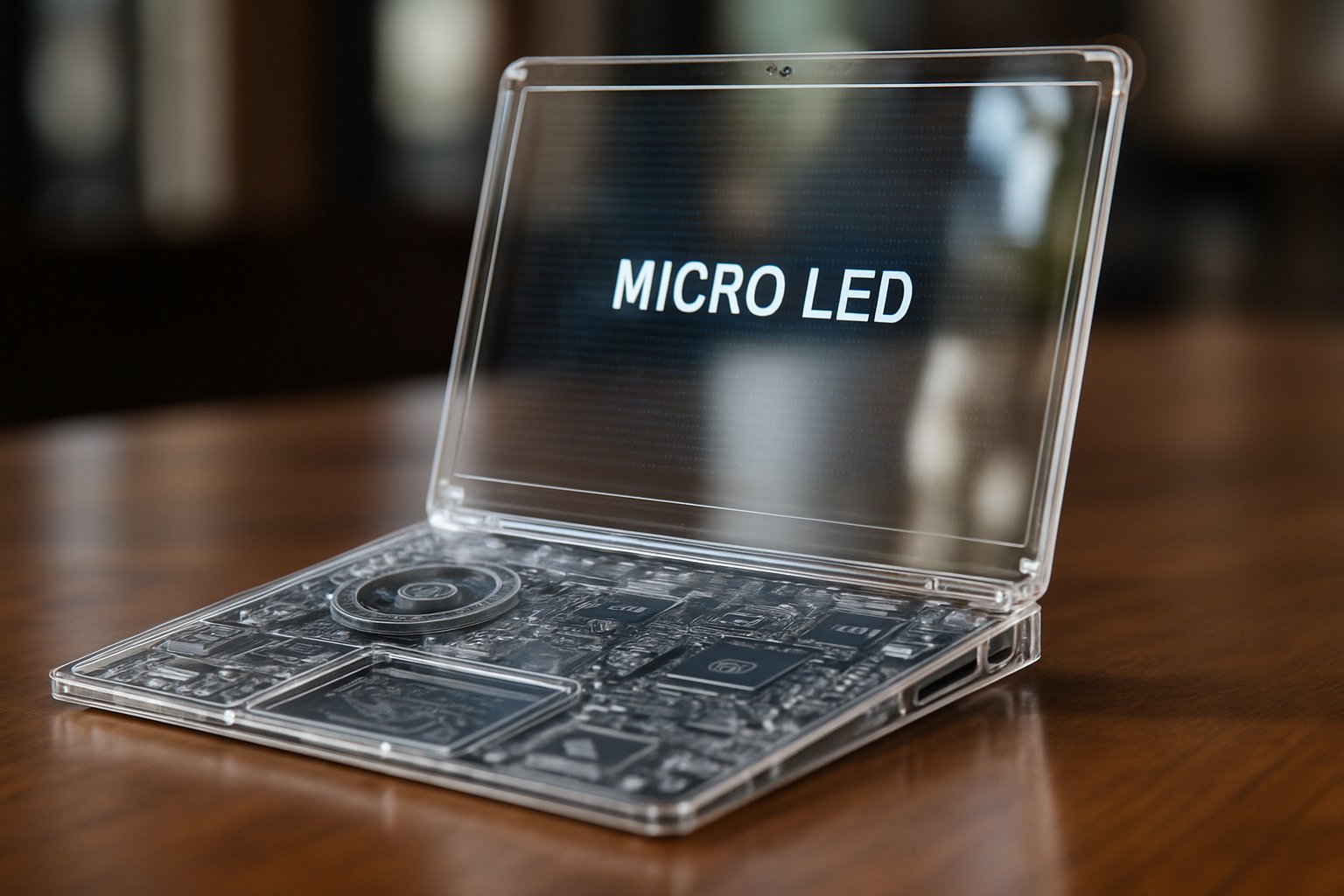
Lenovo staged the prototype debut on 26 February during its MWC keynote. Furthermore, dedicated demo pods allowed press to inspect the system closely. Reporters noticed the borderless glass slab and the projected keyboard below. Meanwhile, a rear camera pointed through the screen for object recognition demos.
No product SKU, price, or shipping window was announced. Consequently, the unit remains pure Concept Hardware rather than an imminent release. Nevertheless, executives signaled confidence that commercialisation could arrive within five years. Such optimism keeps the conversation alive around micro-LED breakthroughs. Analysts liked the transparent aesthetic yet questioned real-world usability in bright offices.
The debut generated both excitement and skepticism among attendees. However, deeper technology analysis clarifies why opinions diverge.
Concept Hardware Vision Ahead
Lenovo positions the prototype as a window merging physical and digital worlds. Therefore, the company speaks of an augmented vision for everyday collaboration. Artists could trace objects behind the panel, while architects overlay live measurements. Moreover, AI routines recognise tools on the desk and suggest contextual actions.
Such scenarios illustrate where Concept Hardware may unlock productivity gains. In contrast, privacy advocates argue that see-through screens expose sensitive data to passers-by. Lenovo floated an electronic opacity layer, yet that feature stayed absent from the booth model. Additionally, the chassis used Gorilla Glass panels for a futuristic finish. Consequently, usage in cafés or aircraft cabins remains doubtful today.
These mixed views underscore the importance of balancing spectacle and practicality. Next, we examine the display technology enabling the spectacle.
Inside The Display Tech
The 17.3-inch panel relies on Micro-LED pixels arranged on a transparent glass backplane. Each diode emits light directly, removing the need for bulky backlighting. Therefore, designers can carve voids between pixels, achieving roughly 55 percent light transmissivity. However, that openness lowers effective resolution; reporters described the screen as roughly 720p.
This display stands at the heart of the Concept Hardware experiment. Peak brightness hit about 1,000 nits across full screen, with highlights spiking near 3,000 nits. Moreover, Micro-LED efficiency keeps power draw reasonable despite the luminous punch. Yet producing millions of microscopic LEDs and bonding them precisely remains expensive. Consequently, panel yields lag behind mature LCD or OLED lines.
High brightness and transparency rarely coexist without compromise. Next, we explore how AI features attempt to justify these trade-offs.
AI Interaction Possibilities Today
Beyond eyesight candy, Lenovo bundled experimental AI features. For instance, the rear camera registered a coffee mug and surfaced blend recommendations. Similarly, stylus input allowed designers to sketch overlays directly across real objects. Furthermore, gesture controls navigated menus without touching the glass surface.
These demos illustrate Lenovo's vision for ambient computing where digital data augments physical tasks. However, reviewers noted latency and the absence of haptic cues on the flat keyboard. Therefore, the laptop must integrate tactile feedback before productivity users embrace it. Concept Hardware again serves as a sandbox rather than a shipping feature list.
AI adds intriguing use cases yet remains early. Subsequently, investors watch market forecasts to gauge revenue potential.
Market Growth Trajectory Trends
Research firms paint an aggressive upward curve for transparent display revenue. Future Market Insights projects multi-billion dollar sales by decade end, with double-digit CAGR. Meanwhile, SNS Insider predicts micro-LED shipments exceeding 22 billion dollars by 2030. In contrast, analysts warn that optimistic numbers mask significant manufacturing risks.
Selected 2024 forecast highlights include:
- Transparent display CAGR range: 15–40 percent.
- Micro-LED market size: up to 22 billion USD by 2030.
- Premium signage share: roughly 70 percent of near-term revenue.
Key obstacles include low yield, expensive transfer equipment, and limited supplier capacity. Nevertheless, premium signage, automotive HUDs, and control rooms already pay early adoption premiums. Concept Hardware prototypes, such as Project Crystal, keep investor interest alive between revenue milestones. Moreover, competition among panel makers accelerates cost learning curves.
These projections show upside but rely on unresolved engineering wins. Therefore, challenges deserve equal attention. Accordingly, the next section dissects those challenges.
Challenges Cloud Mass Adoption
Privacy stands first. Transparent screens expose content from unusual angles, complicating corporate security policies. Additionally, effective pixel density remains low, limiting fine text rendering. Resolution must climb without sacrificing transmissivity to satisfy knowledge workers.
Typing comfort represents another hurdle. In contrast, physical keyboards offer travel, haptics, and sub-millimeter accuracy. Engineers may add piezoelectric feedback, yet that adds cost and battery drain.
Manufacturing economics arguably pose the most formidable barrier. Micro-LED transfer yields still hover in single digits for small pixels. Consequently, a retail laptop would carry a prohibitive price today. Professionals can enhance their expertise with the AI for Everyone™ certification.
These challenges highlight critical gaps. However, emerging solutions are transforming the market landscape. Subsequently, industry watchers monitor specific roadmap signals.
Roadmap Signals To Watch
Observers expect three milestones before a shipping see-through laptop arrives. Firstly, panel suppliers must demonstrate opacity layers that toggle privacy on demand. Secondly, haptic keyboards or hybrid hinges must satisfy typists. Thirdly, yields must reach commercially viable levels below five percent failure.
Concept Hardware showcases will likely reappear at CES and IFA, signalling progress. Moreover, patent filings around Micro-LED backplanes could reveal strategic partnerships. Vision statements from executives will still shape public expectations during this interim stage.
In summary, the see-through laptop remains a mesmerising but immature proposal. High brightness, object recognition, and sleek aesthetics illustrate undeniable promise. However, privacy, resolution, typing, and cost barriers cannot be ignored. Concept Hardware persists as the industry's creative sandbox, inspiring suppliers to iterate rapidly. Consequently, professionals who track display trends should prepare for swift pivots and surprises. Meanwhile, expanding foundational AI literacy enhances readiness for display-centric workflows. Therefore, consider earning the linked certification to future-proof your career today. Ultimately, sustained curiosity about Concept Hardware will translate curiosity into market reality.


